



Table of Contents
Understanding Termite Damage Risks Al Khawaneej 2
Termite damage risks al khawaneej 2 is a growing concern for many homeowners and property managers in Dubai, particularly within the Al Khawaneej 2 community. These risks arise from the destructive nature of termites, which silently consume wood and building materials, often causing severe structural damage before detection. Understanding the scope and impact of termite infestations is crucial for residents seeking to protect their properties and investments effectively.
In Al Khawaneej 2, where many homes blend modern and traditional architecture with wooden elements, termite infestations can compromise the integrity of critical structures. Given Dubai’s climate, which includes hot, humid periods, termite activity can thrive if preventive and control measures are not implemented. The focus keyword, termite damage risks al khawaneej 2, will guide us through a detailed look at termite threats, treatment choices, and FAQs tailored for this unique Dubai locality.
Al Khawaneej 2, a rapidly developing community in Dubai, is known for its blend of residential villas and green spaces, creating an attractive environment for families and investors alike. However, this combination of greenery and residential properties can inadvertently increase vulnerability to termite infestations, posing significant structural and financial risks. Understanding termite damage risks al khawaneej 2 is crucial for residents and property managers to protect their investments effectively.
Why Al Khawaneej 2 is Prone to Termite Infestations
The ecological and climatic conditions in Al Khawaneej 2 contribute directly to higher termite activity. The warm and humid weather commonly experienced in Dubai, especially during the summer months, creates an ideal habitat for subterranean termites known to thrive in such environments. Furthermore, Al Khawaneej 2’s abundance of landscaped gardens and wooden outdoor features offers termites ample food sources and nesting opportunities close to residential structures, thereby exacerbating termite damage risks al khawaneej 2.
Additionally, some of the older villas in Al Khawaneej 2 have foundations and structural elements that are more susceptible to termite entry due to construction materials and methods used before modern pest control standards were widely enforced in Dubai. Such vulnerabilities underline the importance of early detection and treatment, as unchecked termite activity can lead to:
- Compromised structural integrity of wooden framework
- Damage to furniture, cabinetry, and flooring
- Potential health concerns due to mold growth facilitated by termite moisture
- Significant financial losses from costly repairs and property depreciation
The Role of Dubai Municipality Regulations and Standards in Termite Management
Dubai Municipality plays an important role in regulating pest control services to ensure compliance with health and safety standards. While there is no specific termite control regulation exclusively for Al Khawaneej 2, all pest control operators in Dubai must adhere to the guidelines specified by Dubai Municipality Public Health Department, which include safe use of approved pesticides and mandatory reporting of severe infestations.
Professional pest controllers must also follow environmental safety measures to protect Dubai’s urban ecosystems, avoiding harmful chemicals near parks and green belts such as those found in Al Khawaneej 2. These localised protocols and inspections add a layer of reassurance for residents who seek licensed services specializing in termite control.
Community Awareness and Collective Action
Because termite colonies can spread underground from one property to another, efforts within Al Khawaneej 2 should include community vigilance. Neighbours sharing information about sightings or signs of termites and coordinating treatment schedules can significantly reduce infestation rates.
Dubai’s community initiatives often promote such cooperative approaches. Residents can benefit from workshops by Dubai Municipality’s environmental health department, where pest control professionals offer guidance tailored to local pest challenges. This fosters a proactive mindset in managing termite damage risks al khawaneej 2 collectively.
Common Types of Termites in Dubai
When addressing termite damage risks al khawaneej 2, it is essential to recognize the common termite species in the Dubai area. The local climate supports a few key types known to cause damage:
- Subterranean Termites: These termites live underground and build mud tubes to access above-ground wood structures. They are the most destructive type found across Dubai, including Al Khawaneej 2.
- Drywood Termites: Unlike subterranean termites, drywood termites infest dry wood without contact with soil. They can inhabit furniture, fixtures, and wooden beams common in homes.
- Dampwood Termites: Though less common in Dubai’s arid areas, dampwood termites infrequently appear where moisture accumulates, such as poorly ventilated basements or near irrigation leaks.
Knowing these types helps tailor treatment plans to the exact nature of the infestation, reducing the termite damage risks al khawaneej 2 effectively and avoiding repeated infestations.
How to Identify Termite Damage in Your Home
Residents concerned about termite damage risks al khawaneej 2 should learn how to spot signs early. Termites are masters of concealed destruction, so recognizing subtle indicators is vital. Key signs include:
- Hollow Wood: Tapping wood surfaces sounds hollow if termites have eaten the inside.
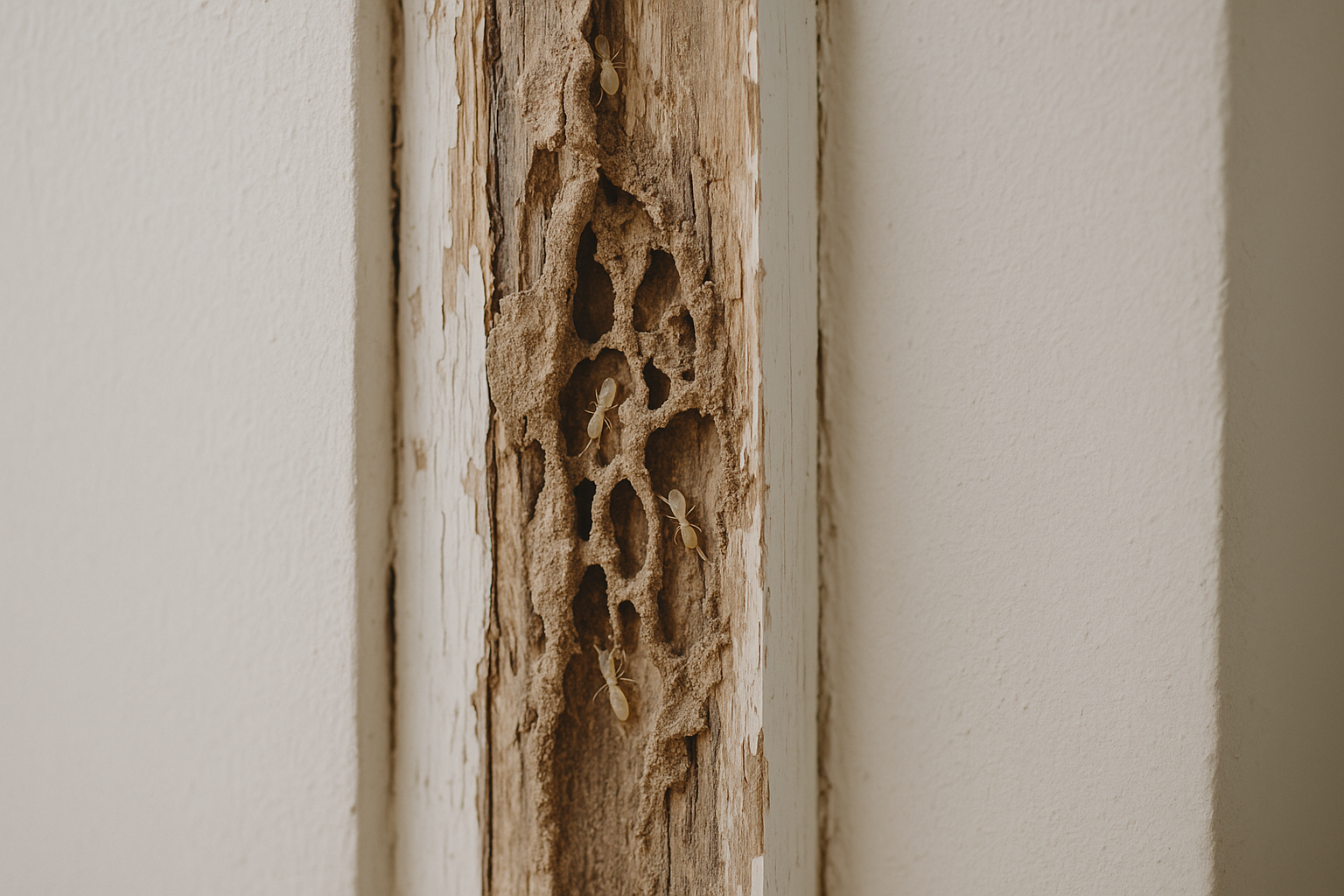
- Visible Mud Tubes: Subterranean termites leave protective mud tubes on walls or foundations to travel from soil to wood.
- Wood Discoloration or Cracks: Termite damage often weakens wood, causing cracks or slight discoloration around infested areas.
- Swarmers or Discarded Wings: Termite swarmers (winged termites) emerging inside or outside your home, and discarded wings near windowsills, show active colonies nearby.
- Damaged Flooring or Ceilings: Bubbling paint, sagging floors, or ceilings may hint at concealed termite activity.
Early detection limits the severity and cost of repair, which is crucial in reducing overall termite damage risks al khawaneej 2.
Recognizing early symptoms of termite infestation can save homeowners in Al Khawaneej 2 from extensive damage. The nature of termite activity often means the initial presence goes unnoticed until visible signs develop. Addressing termite damage risks al khawaneej 2 proactively is always the best strategy. These include:
- Hollow-sounding wood: Tapping on wooden beams, doors, or furniture may produce a hollow sound if termites have eaten through the interior.
- Discarded wings: Swarmers (winged reproductive termites) shed their wings after mating, so small piles of wings around windows or doors indicate an active colony nearby.
- Mud tubes on walls: Subterranean termites build protective mud tubes to travel between soil and wood, which are visible on external foundation walls and sometimes indoors.
- Cracked or bubbling paint: Damage beneath paint surfaces occurs when termites tunnel within walls, causing visible distortion.
- Warped or buckling wood: Termite damage weakens wooden structures causing warping or sagging floors, doors, and window frames.
In Al Khawaneej 2, where residential villas commonly feature a mix of wood and stone, these subtle signs are crucial indications that warrant immediate pest inspection and intervention to mitigate termite damage risks al khawaneej 2.
Effective Termite Treatment Options in Al Khawaneej 2
Dubai homeowners and businesses in Al Khawaneej 2 have several reliable termite treatment solutions designed to combat termite damage risks al khawaneej 2. Choosing the right treatment depends on the infestation’s size, termite species, property layout, and budget considerations.
Professional Inspection & Diagnosis: Before any treatment, expert termite inspection ensures the right approach. Dubai-based companies like Saniex Dubai, specialists in termite damage risks Al Khawaneej 2, offer thorough surveys tailored to local termite patterns. They understand the specific termite damage risks al khawaneej 2 presents.
Chemical Treatments
Termiticides applied around foundations or injected into wood create barriers that either repel or kill termites on contact. These are often effective against subterranean termites and must comply with Dubai Municipality regulations.
Baiting Systems
Bait stations placed in the soil attract termites with cellulose materials laced with slow-acting insecticides. Termites carry the bait back to the colony, eventually eliminating it. This method suits environmentally conscious property owners.
Wood Treatments
Specialized chemical preservatives applied directly to wooden structures protect untreated wood from infestation. This preventive measure is especially useful in construction or renovation phases.
Fumigation
This is a more invasive option for drywood termite infestations inside furniture or entire residences. It involves sealing and gas treatment to eliminate pests but requires temporary vacating of premises.
Heat Treatment
Heat treatment raises the temperature inside infested areas to lethal levels for termites without using chemicals. This method aligns with eco-friendly pest control trends in Dubai.
Given the varied options, choosing an effective service is vital for minimizing termite damage risks al khawaneej 2. Licensed providers follow Dubai’s public health standards.
Preventive Measures to Minimize Termite Damage Risks
Prevention is fundamental to controlling termite damage risks al khawaneej 2. Property owners in Dubai can apply several smart tactics to reduce termite attraction and infestation likelihood:
- Control Moisture: Fix plumbing leaks and ensure proper drainage since termites are drawn to moisture.
- Maintain Distance Between Soil and Wood: Avoid direct soil contact with wooden elements to deny termites easy access.
- Regular Inspections: Schedule frequent inspections with certified pest control companies like Saniex to detect early signs.
- Use Treated Wood: Use pressure-treated wood for construction or repairs to resist termite damage.
- Proper Landscaping: Keep plants, mulch, and firewood away from buildings’ base to limit termite corridors.
- Seal Entry Points: Close gaps in walls, windows, and doors where termites might invade.
These practical preventive strategies align well with Dubai’s hot climate and ongoing construction trends seen in Al Khawaneej 2, significantly reducing overall termite damage risks al khawaneej 2.
Addressing termite damage risks al khawaneej 2 involves a combination of prevention, early detection, and professional treatment. Homeowners and property managers should incorporate these best practices within routine property maintenance:
- Regular professional inspections: Annual inspections by licensed pest control experts can identify infestations before they cause major damage, particularly around wooden structures and garden areas.
- Proper landscaping: Maintain a gap between soil and wooden parts of buildings. Avoid mulch buildup directly adjacent to foundations and ensure adequate drainage to minimize moisture levels attractive to termites.
- Use of termite-resistant materials: For renovations or new constructions, prioritize termite-resistant woods or treated timber in line with Dubai Municipality building codes.
- Safe pesticide application: Engage Dubai-approved pest control providers who use regulated treatment products tailored for subterranean termite management.
- Monitoring bait stations: Strategically placing bait systems around properties can help control termite colonies by reducing food availability in a non-intrusive way.
Frequently Asked Questions About Termite Damage Risks Al Khawaneej 2
1. How urgent is treatment after detecting termite damage?
Treatment should start as soon as possible to avoid extensive structural harm and costly repairs. Early intervention significantly lowers the termite damage risks al khawaneej 2.
2. Can I treat termite infestations myself?
DIY treatments exist, but professional expertise ensures thorough elimination and long-term protection, especially respecting Dubai standards.
3. How often should I have my property inspected?
Annual inspections are recommended to catch infestations early, particularly in termite-prone areas like Al Khawaneej 2.
4. Are termite treatments safe for pets and people?
Licensed pest control companies use products approved by Dubai Municipality, prioritizing health safety when applied correctly.
5. What’s the best treatment for drywood termites in furniture?
Fumigation or heat treatment suits furniture infestations, ensuring complete clearance without damaging delicate items.
Conclusion and Call to Action
Reducing termite damage risks al khawaneej 2 requires awareness, timely action, and professional support. Residents and property owners in Al Khawaneej 2 should prioritize regular inspections, understand treatment choices, and implement preventive measures tailored to Dubai’s environment.
For reliable termite management, partnering with experienced Dubai-based specialists like Saniex offers peace of mind and lasting protection.
Protect your home today from the hidden threat of termites—don’t underestimate termite damage risks al khawaneej 2. Act now, safeguard your investment, and ensure lasting structural safety.
Termite damage risks al khawaneej 2 properties encounter demand awareness, vigilance, and collaboration. The unique climate and environment coupled with the residential designs found here mean termite management must be considered an ongoing priority. Leveraging Dubai Municipality’s regulatory framework along with engaging trusted pest control services ensures that homes in Al Khawaneej 2 stay safe, structurally sound, and protected against the costly consequences of termite infestations.