



Table of Contents
Introduction to Termite Biology Al Khawaneej 2
The termite biology al khawaneej 2 topic is essential for property owners and pest control professionals in Dubai. Understanding termite biology al khawaneej 2 is the backbone of effective inspections and management strategies. Termites are silent destroyers affecting wooden structures that can go unnoticed until significant damage has occurred. This smart guide provides a practical, step-by-step termite inspection process tailored to the unique conditions of Al Khawaneej 2 and nearby Dubai neighborhoods.
Understanding Termite Species in Dubai
Dubai hosts specific termite species adapted to the arid climate and urban environment. The main termites found here include subterranean termites, notorious for their underground colonies and ability to infiltrate buildings through soil contact. Identifying the species involved based on termite biology al khawaneej 2 characteristics enhances the accuracy and effectiveness of inspections. Knowing the termite life cycle, habitat preferences, and feeding behaviors is vital for targeted control.
Preparing for Your Termite Inspection
Before conducting an inspection, gather essential tools like moisture meters, flashlights, probing tools, and inspection mirrors. Also, familiarize yourself with common termite signs and points of entry. Preparation includes obtaining property blueprints if available and understanding the construction typology common in Dubai’s Al Khawaneej 2. Proper preparation ensures a thorough assessment that aligns with termite biology al khawaneej 2 nuances.
Step 1: Visual Inspection of Accessible Areas
Start by visually inspecting accessible areas such as wooden structures, door frames, window sills, and attic spaces. Look for mud tubes, swollen wood, or tiny holes indicating termite activity. The termite biology al khawaneej 2 insight emphasizes early visual clues that help pinpoint likely infestations. Using a flashlight enhances visibility in dark, concealed spots.
Step 2: Checking Moisture and Wood Conditions
Termites thrive in moist environments. Use a moisture meter to detect areas with elevated dampness around wooden elements, foundation edges, and crawl spaces. The termite biology al khawaneej 2 environment in Dubai benefits from this focus as coastal humidity and irrigation can increase moisture pockets. Inspect wood condition for softness or hollow sounds when tapped—key indicators of termite feeding.
Step 3: Examining Foundations and Exterior Walls
Pay special attention to concrete foundations, exterior walls, and soil contact points. Subterranean termites build mud tubes along these surfaces to bridge soil and wood. Check for small cracks or gaps near pipes or expansion joints. The termite biology al khawaneej 2 context means inspecting areas vulnerable to water accumulation near foundations is critical for early detection.
Step 4: Inspecting Plumbing and Water Leaks
Leaks in plumbing can create moisture environments ideal for termite infestation. Inspect under sinks, around water heaters, and near air conditioning units common in Dubai homes. Since termite biology al khawaneej 2 infestations often link to water sources, early leak detection is an actionable step toward prevention.
Step 5: Using Specialized Tools for Detection
Leverage tools like infrared thermometers and acoustic emission detectors to find hidden termite activity. These devices detect heat and sound emitted by the movement of termites within walls or flooring. Incorporating termite biology al khawaneej 2 knowledge, professionals in Dubai use these tools to increase inspection accuracy, minimizing guesswork and reducing damage risk.
Step 6: Observing Swarms and Termite Activity Signs
Swarming is a sign of mature termite colonies. Look for discarded wings near windowsills or exterior walls during spring in Dubai’s climate. Observe dirt or mud plastering on wood surfaces. These signs highlight active colonies and call for immediate intervention in line with termite biology al khawaneej 2 patterns.
Step 7: Documenting Findings and Assessing Risk
Record all observations, including location, species type if identified, moisture levels, and damage extent. A structured report helps communicate risks to property owners and supports treatment decisions. Contextualizing the findings with termite biology al khawaneej 2 specifics ensures that risk assessments reflect real-world Dubai building scenarios accurately.
Step 8: Implementing Treatment or Preventive Measures
Based on inspection results, implement treatment protocols such as soil treatments, baiting systems, or wood treatments utilizing eco-friendly products approved by Dubai authorities. Preventive measures include moisture management, sealing entry points, and regular monitoring. Staying informed through reputable sources like Dubai Municipality’s Public Health Pest Control Section enhances your strategy’s effectiveness.
Saniex Dubai’s Role in Termite Control
Saniex Dubai specializes in integrated pest management within Dubai, offering targeted termite inspections and treatments specifically for Al Khawaneej 2 and nearby communities. Their knowledge of termite biology al khawaneej 2 combined with Dubai’s climate conditions makes them an ideal partner for homeowners seeking effective control. Saniex focuses solely on Dubai, ensuring local regulatory compliance and customized solutions.
Regulatory Guidance and Importance in Dubai
Dubai Municipality and other local authorities regulate pest control practices to safeguard public health and building integrity. These regulations underline the need for trained inspectors and certified treatment methods compliant with UAE standards. Adhering to these guidelines alongside an understanding of termite biology al khawaneej 2 ensures that inspections and follow-up measures comply with Dubai’s safety and environmental laws.
Conclusion and Call to Action
Mastering the termite biology al khawaneej 2 principles is a must-know for effective termite inspection in Dubai. Following these 10 critical steps guarantees a thorough, practical approach to detecting and managing termite risks early. For homeowners and property managers in Al Khawaneej 2, partnering with expert providers like Saniex Dubai ensures sustained protection and peace of mind. Start your termite inspection today to safeguard your property’s long-term value and safety.
Understanding Termite Biology in Al Khawaneej 2
The study of termite biology al khawaneej 2 offers valuable insights for effective pest control and prevention strategies tailored to this unique Dubai locality. Al Khawaneej 2, known for its blend of residential areas and green spaces, presents an ideal environment for various termite species, driven by factors such as climate, vegetation, and building structures. Understanding the biology of termites in this area helps residents, pest control professionals, and regulatory bodies comply with Dubai Municipality guidelines while protecting properties from significant damage.
Termite Species Commonly Found in Al Khawaneej 2
Termites in Dubai, including those in Al Khawaneej 2, primarily belong to subterranean species, which thrive in warm, moist environments. These termites build complex colony systems underground and require soil contact for moisture to survive. Identifying the species is crucial for selecting effective containment and extermination methods compliant with UAE pest control regulations.
Some termite species observed in Al Khawaneej 2 include:
- Subterranean Termites (Family Rhinotermitidae): The most destructive type, known for feeding on wooden structures and causing significant damage to residential buildings across Dubai.
- Drywood Termites (Family Kalotermitidae): Less common but capable of infesting wood without soil contact, making early detection vital.
- Dampwood Termites (Family Termopsidae): Occasionally found in Al Khawaneej 2, favoring damp wood typically close to irrigation systems or poorly ventilated areas.
The Life Cycle and Colony Structure of Termites
Termites possess a complex social structure that influences their ability to survive and spread rapidly within properties. The colony usually comprises several castes, each with defined roles essential for the colony’s longevity:
- Workers: Responsible for foraging, feeding other castes, and expanding the nest.
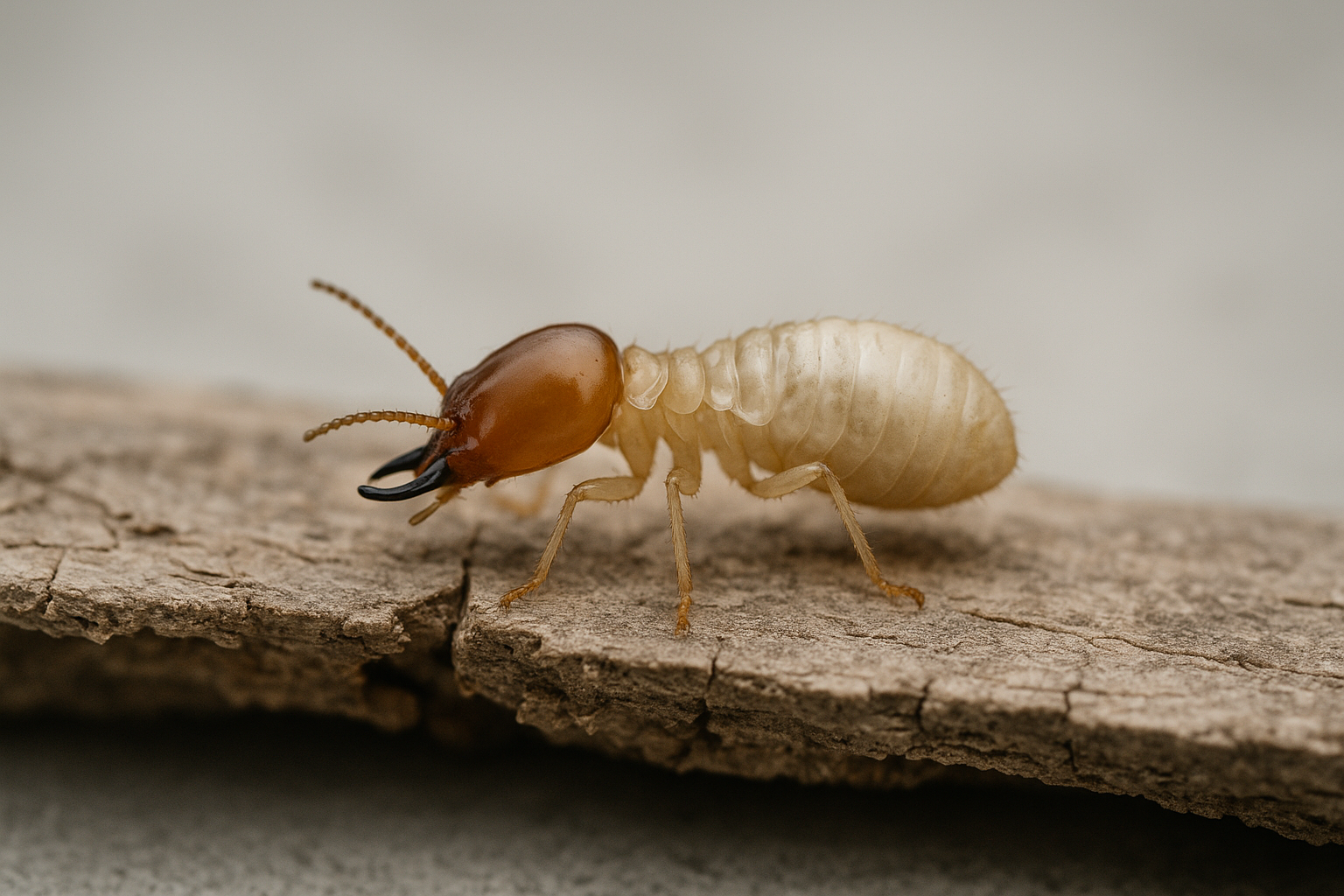
- Soldiers: Defend the colony with specialized mandibles and chemical secretions.
- Reproductives (King and Queen): Their primary role is reproduction, ensuring rapid population growth and colony establishment.
- Alates (Swarmers): Winged reproductives that leave the colony to mate and found new colonies, often emerging during the humid months in Dubai.
The lifecycle stages—from egg to nymph and eventually adult—can be influenced by local environmental conditions found in Al Khawaneej 2, such as temperature variations typical of Dubai’s climate. These factors affect termite activity periods and help explain seasonal infestation trends.
Environmental Factors Influencing Termite Activity in Al Khawaneej 2
Dubai’s desert climate, combined with the landscaping choices in Al Khawaneej 2, creates microhabitats suitable for termites. A deeper understanding of termite biology al khawaneej 2 reveals how irrigation systems, abundant greenery, and shaded garden areas maintain moisture levels necessary for termite survival.
Key environmental contributors include:
- Soil Moisture: Termites require moist soil for their subterranean tunnels; frequent irrigation in residential gardens raises soil humidity, increasing risk.
- Wood-to-Soil Contact: Structures and wooden fixtures in direct contact with soil accelerate termite infestation due to direct access routes.
- Temperature and Humidity: Warm temperatures year-round ensure termites remain active for extended periods, prolonging feeding behavior.
Pest management professionals in Dubai follow Dubai Municipality’s Integrated Pest Management (IPM) guidelines, which recommend environmental modifications alongside chemical treatments to mitigate termite presence. Such measures may include improving drainage, removing wood debris, and adjusting irrigation to reduce ideal termite habitats.
Adaptations of Termites to Urban Settings in Al Khawaneej 2
Termites in urban areas like Al Khawaneej 2 have adapted to thrive despite human activity. This includes developing foraging tunnels within concrete joints, walls, and even air-conditioning ducts. Their ability to exploit structural vulnerabilities makes early detection a critical component of termite control strategies.
Regular inspections are advised, focusing on:
- Wooden structural elements, especially those near moisture sources.
- Perimeter walls and garden landscaping bordering homes.
- Ceilings and voids where condensation may accumulate.
Saniex, a Dubai-based pest control provider, often emphasizes customized treatment plans that consider termite biology specific to Al Khawaneej 2’s environment, offering homeowners effective and regulation-compliant solutions.
Implications for Property Management and Regulations
Understanding termite biology in Al Khawaneej 2 is fundamental for property owners and facility managers to comply with Dubai Municipality’s pest control regulations. Failure to address infestations can result in structural damage and affect building certification under Dubai’s green building standards.
Regular termite risk assessments and preventative measures are encouraged, particularly for new construction, renovations, and landscaping projects. This proactive approach aligns with Dubai Municipality’s health and safety directives and aids in maintaining long-term property value.