


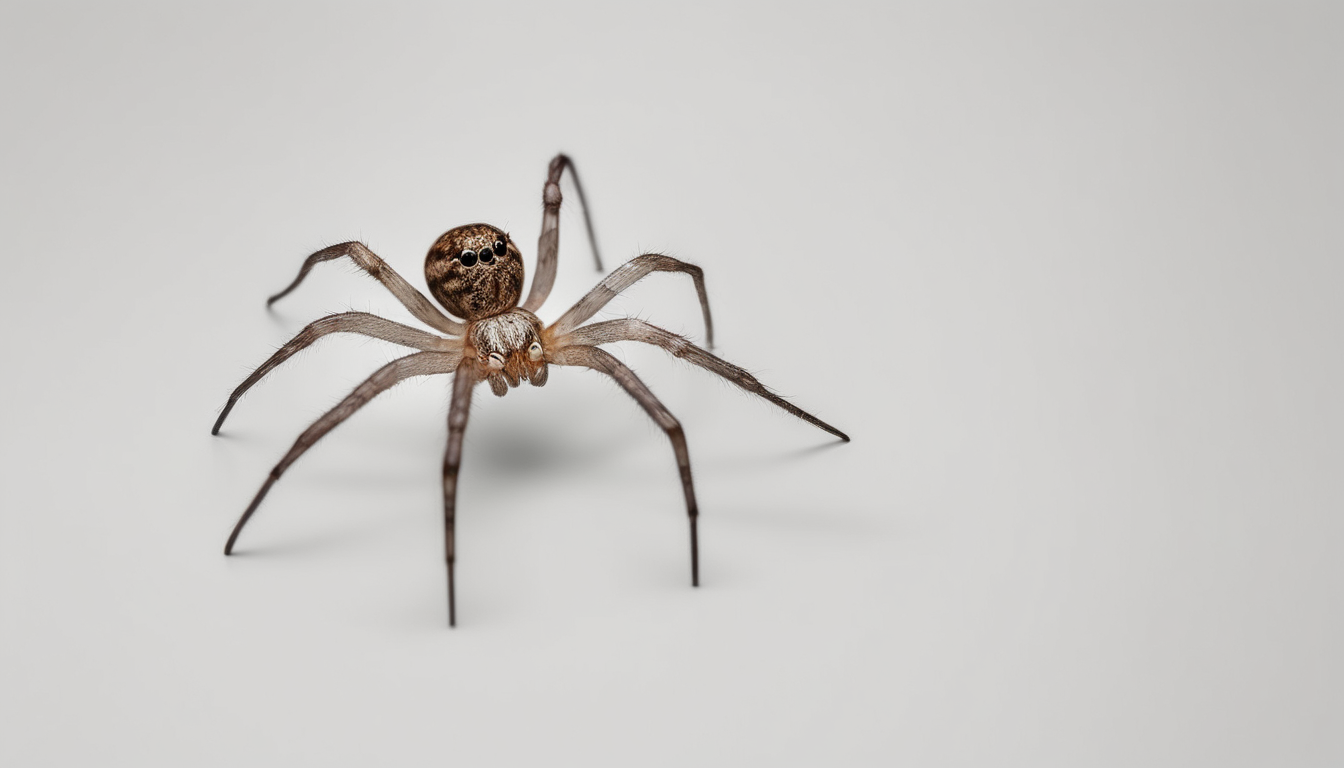

Identifying common spider species in UAE homes is an essential skill for every resident and property manager across Dubai, Abu Dhabi, and the surrounding emirates. The arid climate and modern building designs create unique environments where certain spider species thrive, often entering homes seeking shelter from extreme outdoor temperatures. This guide provides detailed information on recognising the most frequently encountered spiders in UAE households, understanding their behaviour patterns, and determining when professional intervention becomes necessary.
The process of Identifying Common Spider species in UAE homes requires attention to physical characteristics, web patterns, and preferred habitats. Many spiders found in UAE residences are harmless and even beneficial, acting as natural pest controllers by feeding on insects like mosquitoes and flies. However, certain species can pose health concerns or indicate underlying pest issues that require attention. This article will help you distinguish between harmless house guests and those that warrant control measures.
Proper identification of common spider species in UAE homes forms the foundation of effective pest management strategies. Whether you’re dealing with spiders in a Dubai villa, high-rise apartment, or commercial property, understanding which species you’re encountering will guide your response—from simple exclusion methods to professional treatment options. Let’s explore the most frequently encountered spiders in UAE residential and commercial settings.
Identifying Common Spider Species In Uae Homes – Common Spider Species in UAE Homes
Identifying common spider species in UAE homes begins with recognising the most frequently encountered varieties. The most prevalent species include the Mediterranean recluse spider, which measures approximately 6-10mm with a light brown coloration and distinctive violin-shaped marking. These spiders prefer dark, undisturbed areas like storage rooms, behind furniture, and in cluttered spaces. Their presence often indicates other pest issues, as they feed on insects that have already infested the property.
Another frequently encountered species is the common house spider, characterised by its messy, irregular webs in upper corners of rooms and windows. These spiders are typically harmless and measure 6-8mm with a bulbous abdomen. They thrive in UAE homes due to the consistent indoor temperatures provided by air conditioning systems. The yellow sac spider is also common, identified by its pale yellow colour and tendency to create silk retreats in ceiling corners and behind wall hangings.
Cellar spiders, often called daddy long-legs, are easily recognised by their extremely long, thin legs and small bodies. They prefer moist areas like bathrooms, kitchens, and laundry rooms, where they construct loose, irregular webs. While these spiders appear intimidating due to their size, they pose no threat to humans and actually help control other pest populations. Their presence in UAE homes often indicates moisture issues that need addressing.
Identifying Common Spider Species In Uae Homes – Spider Identification Techniques for UAE Residents
Identifying common spider species in UAE homes requires careful observation of several key characteristics. Start by examining the spider’s size, colouration, and leg length. Many UAE house spiders range from 5-15mm in body length, with colour variations from pale yellow to dark brown. Note any distinctive markings, such as stripes, spots, or patterns on the abdomen, as these are crucial for accurate identification.
Web structure provides significant clues when identifying common spider species in UAE homes. Orb-weavers create symmetrical, circular webs often found in gardens and outdoor areas, while funnel web spiders build sheet-like webs with a retreat tube. Cobweb spiders produce irregular, messy webs in corners and undisturbed areas. Documenting web location and structure can help determine which species has taken up residence in your property.
Behavioural observations further assist in identifying common spider species in UAE homes. Some spiders are nocturnal and only active at night, while others hunt during daylight hours. Note whether the spider retreats when disturbed or remains stationary. Photography can be extremely helpful for identification purposes—capture clear images from multiple angles to share with pest control professionals if needed.
Identifying Common Spider Species In Uae Homes – Habitat Preferences of UAE House Spiders
Understanding habitat preferences is crucial when identifying common spider species in UAE homes. Different spider species occupy specific microhabitats within residential properties. Bathrooms and kitchens attract moisture-loving species like cellar spiders due to the higher humidity levels from showers, sinks, and appliances. These areas provide both water sources and prey insects that thrive in damp environments.
Storage areas, closets, and garages often harbour recluse spiders and other species that prefer dark, undisturbed spaces. These areas typically have clutter that provides excellent hiding spots and breeding grounds. In Dubai villas with garden areas, ground-dwelling spiders may enter through cracks and gaps, seeking shelter from extreme outdoor temperatures that can exceed 45°C during summer months.
Window frames, ceiling corners, and behind furniture are preferred locations for web-building spiders seeking optimal positioning for catching flying insects attracted to indoor lighting. In commercial properties like Dubai offices, spiders often establish populations in false ceiling spaces, electrical cabinets, and storage rooms where insect prey is abundant. Identifying these habitat preferences helps target inspection and control efforts effectively.
Seasonal Activity Patterns in UAE Spiders
Seasonal variations significantly influence spider activity when identifying common spider species in UAE homes. During the cooler winter months (November to February), spider activity often increases as they seek shelter from lower outdoor temperatures. This is when many species move indoors through gaps around windows, doors, and utility penetrations, making proper sealing essential during autumn months.
The hot summer period (June to August) drives spiders into cooler indoor environments to escape extreme heat. Air-conditioned homes provide ideal conditions with stable temperatures around 22-24°C, which many spider species prefer over outdoor temperatures exceeding 40°C. This seasonal migration pattern explains why Dubai residents often notice increased spider activity during peak summer months despite sealed environments.
Rainy periods, though infrequent in the UAE, can trigger spider movement as well. Brief rainfall events cause ground-dwelling species to seek higher ground, sometimes entering structures through foundation cracks and gaps. Understanding these seasonal patterns helps homeowners anticipate periods of increased spider activity and implement preventive measures before infestations become established.
Health Risks Associated with UAE Spider Species
When identifying common spider species in UAE homes, understanding potential health risks is essential. Most spiders found in UAE residences are harmless and pose no threat to humans. However, the Mediterranean recluse spider (Loxosceles rufescens) deserves particular attention, as its bite can cause localized tissue damage in sensitive individuals. These spiders are not aggressive and only bite when pressed against skin, such as when putting on stored clothing or reaching into cluttered areas.
False widow spiders (Steatoda species) occasionally found in UAE homes can deliver painful bites similar to wasp stings, though serious reactions are rare. Symptoms typically include localised pain, redness, and swelling that subsides within hours to days. Individuals with allergies or compromised immune systems should exercise caution and seek medical attention if bitten. This relates directly to Identifying Common Spider Species In Uae Homes.
It’s important to note that many suspected spider bites are actually caused by other insects or skin conditions. Proper identification of the spider involved is crucial for appropriate medical response. When in doubt, capture the spider safely for identification and consult medical professionals if bite symptoms develop. Most spider encounters in UAE homes result in no bites or medical issues.
Spider Prevention Strategies for UAE Homes
Effective prevention begins with properly identifying common spider species in UAE homes and understanding their entry points. Seal cracks and gaps around windows, doors, utility lines, and foundation areas using silicone caulk or expanding foam. Install door sweeps and repair damaged window screens to prevent entry, particularly before seasonal activity periods in autumn and early summer.
Reduce indoor insect populations that serve as spider food sources. Implement proper food storage practices, promptly clean spills and crumbs, and address moisture issues that attract prey insects. Regular vacuuming removes spiders, egg sacs, and webs while eliminating potential food sources. Pay particular attention to corners, behind furniture, and storage areas during cleaning routines.
Outdoor landscaping management reduces spider populations near structures. Keep vegetation trimmed back from building exteriors, eliminate debris piles, and address outdoor lighting that attracts night-flying insects. Yellow sodium vapour bulbs attract fewer insects than white lights, reducing spider food sources near entry points. These integrated approaches create less favourable conditions for spiders in UAE homes and commercial properties.
Professional Spider Identification Services in Dubai
For accurate identifying common spider species in UAE homes, professional pest control services offer expert identification capabilities. Companies like Saniservice employ trained entomologists and technicians who can correctly identify spider species through physical examination or photographic evidence. This professional identification is particularly important when venomous species are suspected or when recurrent infestations indicate underlying issues.
Professional inspection services typically cost between AED 250-500 for residential properties, depending on size and location. This investment provides peace of mind and ensures appropriate treatment strategies are implemented. Many Dubai pest control companies offer digital reporting with species identification, infestation severity assessment, and recommended treatment options tailored to specific spider species and property types.
Commercial properties in Dubai often require more comprehensive spider identification and management programs. Offices, hotels, and food service establishments need regular monitoring and documentation to comply with health and safety standards. Professional services provide ongoing monitoring, identification of new infestations, and targeted treatments that minimise chemical use while effectively managing spider populations.
When to Call Professional Spider Control in Dubai
Knowing when to seek professional assistance is crucial after identifying common spider species in UAE homes. Contact pest control professionals when you suspect venomous species like Mediterranean recluse spiders, when infestations are widespread throughout the property, or when DIY methods have failed to control populations. Recurrent spider problems often indicate underlying insect infestations that require professional addressing.
Commercial properties in Dubai should establish regular spider monitoring programs with professional pest control companies. Food service establishments, healthcare facilities, and hospitality venues have particular responsibility to maintain spider-free environments for customer safety and regulatory compliance. Professional services typically cost AED 1,500-3,000 annually for comprehensive spider management programs in commercial settings.
Properties with sensitive occupants, such as children, elderly residents, or individuals with health concerns, benefit from professional spider control services. Technicians use targeted application methods and products appropriate for each specific situation, ensuring effective control while minimising risks to occupants. Many Dubai pest control companies offer eco-friendly treatment options for clients concerned about chemical exposure.
Expert Tips for Spider Management in UAE Properties
- Conduct regular visual inspections focusing on corners, storage areas, and behind furniture to catch infestations early
- Use a vacuum with a hose attachment to remove spiders and webs without direct contact
- Install weather stripping around doors and windows to prevent entry points
- Reduce outdoor lighting near entry points or switch to yellow insect-resistant bulbs
- Address moisture issues in bathrooms, kitchens, and laundry areas to discourage moisture-loving species
- Store clothing and items in sealed plastic containers rather than cardboard boxes
- Keep vegetation trimmed back at least 30cm from building exteriors
- Seal cracks in foundations, around utility lines, and where pipes enter the structure
Frequently Asked Questions
Are most spiders in UAE homes dangerous? The vast majority of spiders found in UAE homes are harmless and actually beneficial by controlling other insect populations. Only a few species have medically significant bites, and these are rarely encountered.
How can I tell if I have a spider infestation? Signs include numerous spiders sighted regularly, multiple webs in various locations, egg sacs in hidden areas, and shed exoskeletons. Professional inspection can confirm infestation severity.
What should I do if I find a spider in my home? Most spiders can be safely captured using a glass and paper and released outdoors. For suspected venomous species or recurrent problems, contact professional pest control for proper identification and management.
Do ultrasonic repellents work against spiders? Scientific evidence does not support the effectiveness of ultrasonic devices for spider control. Physical exclusion and habitat modification provide more reliable results.
How often should I have my property inspected for spiders? Annual inspections are recommended for most residential properties, while commercial establishments may require quarterly monitoring depending on their industry and risk factors.
Identifying common spider species in UAE homes is the first step toward effective management and prevention. While most spiders pose no threat and provide natural pest control benefits, understanding which species inhabit your property allows for appropriate response measures. For persistent problems or concerns about venomous species, professional pest control services in Dubai offer expert identification and targeted treatment solutions tailored to UAE conditions and property types.