


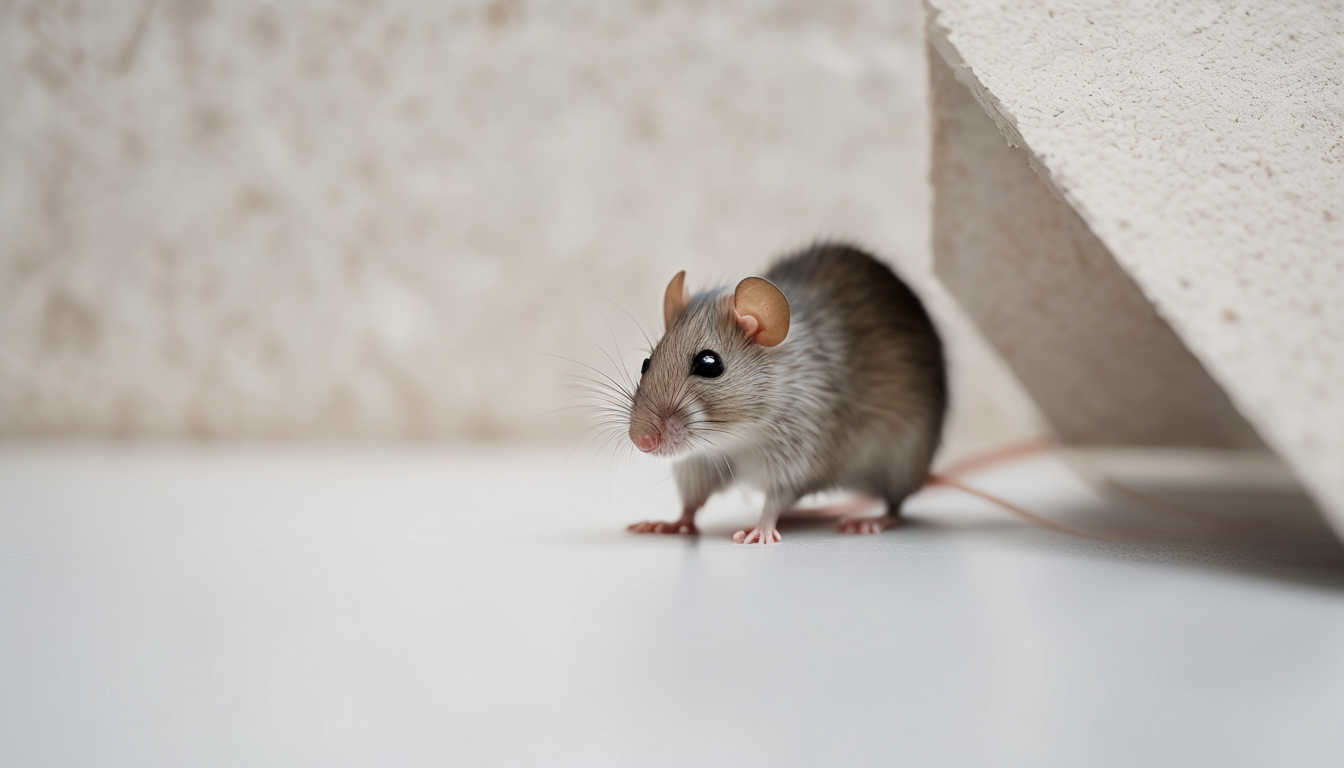

Rodent infestations present significant challenges for Dubai property owners, particularly in villas with landscaped surroundings and warehouses with frequent goods movement. The unique desert climate combined with urban development creates ideal conditions for rodents seeking shelter, food, and water. Rodent Exclusion Techniques for Dubai villas and warehouses represent the most effective long-term solution, focusing on preventing entry rather than repeatedly treating infestations. As a pest control engineer with extensive field experience across the Emirates, I’ve developed specialised rodent exclusion techniques for Dubai properties that address local construction methods, climate factors, and rodent behaviour patterns.
Understanding rodent exclusion techniques for Dubai villas and warehouses begins with recognising why traditional control methods often fail. Rodents in Dubai properties typically include the Norway rat, roof rat, and house mouse, each with distinct behaviours but similar entry patterns. The extreme summer heat drives rodents toward air-conditioned structures, while the cooler months see increased activity in search of food and nesting sites. Proper rodent exclusion techniques for Dubai villas and warehouses must account for these seasonal patterns and the specific vulnerabilities of different property types.
Rodent Exclusion Techniques For Dubai Villas And Warehouses – Understanding Rodent Behaviour in Dubai Conditions
Effective rodent exclusion techniques for Dubai villas and warehouses require understanding how rodents behave in local environmental conditions. Dubai’s climate creates unique challenges—rodents seek refuge from extreme heat during summer months and become more active during cooler periods when they venture out for food and water sources. In villas, rodents typically follow landscaping features, irrigation lines, and utility penetrations to access structures. They exploit gaps around plumbing entries, air conditioning conduit penetrations, and foundation cracks that are common in Dubai’s rapid construction environment.
Warehouse environments present different challenges for rodent exclusion techniques for Dubai properties. Rodents enter through loading dock gaps, roll-up door seals, ventilation openings, and utility penetrations. They follow structural elements like wall voids, ceiling spaces, and pallet rack systems to move throughout facilities. Food storage areas attract rodents with abundant resources, while packaging materials provide nesting opportunities. Understanding these behavioural patterns is essential for developing targeted rodent exclusion techniques for Dubai villas and warehouses that address specific entry points and movement patterns.
Rodent Exclusion Techniques For Dubai Villas And Warehouses – Essential Materials for Rodent Exclusion Projects
Implementing proper rodent exclusion techniques for Dubai villas and warehouses requires specific materials designed to withstand local conditions. Copper mesh stuffing proves essential for filling gaps around pipes and conduit entries—rodents cannot chew through this material, and it maintains effectiveness in Dubai’s temperature extremes. Heavy-duty steel wool provides another effective option for small gaps, though it requires replacement if exposed to moisture. For larger openings, hardware cloth with 6mm mesh offers permanent protection when properly secured with screws or construction adhesive.
Expanding foam sealant serves as a supplementary material in rodent exclusion techniques for Dubai properties, particularly for filling irregular gaps before applying more durable materials. However, foam alone will not exclude rodents—they can easily chew through it within hours. Metal flashing and sheet metal become necessary for sealing larger structural gaps around foundations, eaves, and ventilation openings. Quality silicone sealant rated for outdoor use in high temperatures completes the materials list for comprehensive rodent exclusion techniques for Dubai villas and warehouses, ensuring long-lasting protection against entry.
Material Cost Considerations
Property owners should budget approximately AED 800-1,500 for materials when implementing rodent exclusion techniques for Dubai villas, while warehouse projects may require AED 2,000-5,000 depending on facility size. Professional exclusion services typically range from AED 1,500-3,500 for villas and AED 4,000-12,000 for warehouses, including materials and labour. These investments in proper rodent exclusion techniques for Dubai properties prevent far greater costs associated with rodent damage, contamination, and repeated pest control treatments.
Rodent Exclusion Techniques For Dubai Villas And Warehouses – Step-by-Step Villa Exclusion Process
Implementing rodent exclusion techniques for Dubai villas requires systematic inspection and sealing of all potential entry points. Begin with a thorough exterior inspection during early morning or evening hours when rodent activity is most visible. Look for rub marks along walls, droppings near foundations, and burrow openings in landscaped areas. Pay particular attention to where utility lines enter the structure, gaps under doors, and openings around air conditioning units—common vulnerabilities in Dubai villa construction.
Seal all identified openings using appropriate materials from smallest to largest. Start with copper mesh stuffing for gaps around pipes and conduit entries, packing it tightly into openings. Apply silicone sealant over the mesh for weather protection. For larger gaps under doors, install door sweeps or threshold seals designed for Dubai’s sandy conditions. Seal foundation cracks with hydraulic cement, which expands to fill voids completely. These systematic rodent exclusion techniques for Dubai villas create a comprehensive barrier that prevents rodent entry while allowing for proper ventilation and moisture control.
Warehouse-Specific Exclusion Methods
Warehouse environments demand specialised rodent exclusion techniques for Dubai industrial properties due to their size, constant goods movement, and multiple access points. Begin with loading dock areas—install brush seals on all overhead doors and gap guards on levelers to eliminate entry points where rodents most commonly enter. Seal gaps around pipe penetrations in receiving areas with metal collars secured with construction adhesive. Implement air curtain systems above frequently opened doors to create invisible barriers that discourage rodent entry while maintaining operational flow.
Interior rodent exclusion techniques for Dubai warehouses focus on eliminating harborage areas and movement pathways. Seal gaps around pallet rack uprights where rodents travel between sections. Install kick plates along bottom shelves to prevent access to stored goods. Ensure all wall voids are properly sealed, particularly around electrical panels and utility connections. Implement door management policies that keep doors closed when not actively used for loading or unloading. These comprehensive rodent exclusion techniques for Dubai warehouses require coordination with operations teams but provide permanent protection against infestations.
Monitoring and Maintenance Protocols
Effective rodent exclusion techniques for Dubai villas and warehouses include ongoing monitoring to ensure exclusion measures remain intact. Install monitoring stations at key perimeter locations to detect any rodent activity before it becomes established. Use non-toxic monitoring blocks in weather-protected stations placed every 15-20 metres around villa perimeters and at 30-metre intervals around warehouse exteriors. Inspect these stations monthly, increasing frequency to biweekly during peak rodent season from October to March in Dubai.
Maintenance protocols complete the rodent exclusion techniques for Dubai properties with scheduled inspections of all sealed areas. Check door seals quarterly for wear and tear, replacing any damaged components immediately. Inspect foundation seals after seasonal temperature changes that may cause expansion and contraction cracks. Monitor landscaping elements regularly—trim vegetation back from structures, eliminate ground cover near foundations, and address irrigation issues that create moisture attractive to rodents. These maintenance practices ensure rodent exclusion techniques for Dubai villas and warehouses remain effective over time.
Professional vs DIY Exclusion Considerations
Property owners must carefully consider whether to implement rodent exclusion techniques for Dubai villas and warehouses independently or engage professional services. DIY approaches work for small, visible gaps using readily available materials, particularly for villa owners with basic handyman skills. However, comprehensive rodent exclusion techniques for Dubai properties often require professional assessment to identify hidden entry points that untrained individuals might miss. Professionals use borescopes to inspect wall voids, thermal imaging to detect air leakage points, and have experience with materials that withstand Dubai’s climate conditions.
Professional implementation of rodent exclusion techniques for Dubai warehouses becomes particularly important due to compliance requirements with Dubai Municipality regulations and food safety standards. Professionals document all exclusion work with photographs and detailed reports that satisfy audit requirements. They warranty their work, typically offering 12-24 month guarantees on exclusion services. For complex properties or previous infestation histories, professional rodent exclusion techniques for Dubai villas and warehouses provide the most reliable long-term protection despite higher initial investment compared to DIY approaches.
Common Exclusion Mistakes to Avoid
Several common errors undermine otherwise effective rodent exclusion techniques for Dubai villas and warehouses. Using inadequate materials represents the most frequent mistake—ordinary caulk, plastic materials, or unprotected foam that rodents easily compromise. Another error involves sealing entry points without first eliminating existing populations, trapping rodents inside structures where they cause additional damage. Incomplete inspection misses less obvious entry points like roof vents, eave gaps, or underground utility entries that require attention in comprehensive rodent exclusion techniques for Dubai properties.
Poor maintenance practices also diminish the effectiveness of rodent exclusion techniques for Dubai villas and warehouses. Failing to monitor sealed areas for weather-related deterioration allows new entry points to develop over time. Neglecting landscape management creates bridges to the structure that defeat exclusion efforts. Finally, focusing solely on exclusion without addressing attractants like food sources, water access, and harborage areas limits long-term success. Avoiding these mistakes ensures rodent exclusion techniques for Dubai properties provide permanent protection against infestations.
Expert Rodent Exclusion Tips for Dubai Properties
Through years of implementing rodent exclusion techniques for Dubai villas and warehouses, I’ve developed several professional insights that significantly improve outcomes. Always inspect properties during both day and night hours—nocturnal inspection with high-intensity lighting reveals activity patterns that daytime inspections miss. Use tracking dust or non-toxic monitoring paste in potential entry areas to confirm rodent pathways before sealing. Pay particular attention to where different construction materials meet—these transitions often create gaps that standard inspections overlook.
Coordinate exclusion work with landscaping modifications—create gravel barriers around foundations, maintain 45cm clearance between plants and structures, and address irrigation overspray that creates moisture conditions attractive to rodents. Implement interior exclusion simultaneously with exterior work—seal gaps around interior plumbing, electrical entries, and ventilation systems to prevent movement within structures. These advanced rodent exclusion techniques for Dubai villas and warehouses provide comprehensive protection that addresses both entry and interior movement patterns.
Frequently Asked Questions
How often should rodent exclusion techniques for Dubai villas be reapplied? Properly implemented exclusion should last 3-5 years, but requires quarterly inspections and annual maintenance to address weather-related wear. Dubai’s extreme temperature fluctuations cause expansion and contraction that may create new gaps over time.
What makes rodent exclusion techniques for Dubai warehouses different from residential properties? Warehouse exclusion must accommodate frequent door operation, loading equipment, pallet movement, and compliance requirements. Industrial settings require more durable materials and different sealing approaches than residential properties.
Can rodent exclusion techniques for Dubai properties eliminate the need for bait stations? While exclusion significantly reduces reliance on chemical controls, most professionals recommend maintaining perimeter monitoring stations as early warning systems. Complete elimination of baiting may be possible in some scenarios after thorough exclusion.
How do temperature extremes affect rodent exclusion techniques for Dubai villas? Dubai’s summer heat causes materials to expand, potentially compromising seals if not properly installed with expansion gaps. Winter cooling creates contraction that may open new gaps. Professional installation accounts for these temperature swings.
Conclusion
Implementing comprehensive rodent exclusion techniques for Dubai villas and warehouses represents the most effective long-term solution to rodent problems in UAE properties. By understanding rodent behaviour in local conditions, using appropriate materials, and following systematic installation processes, property owners can create permanent barriers against infestation. Regular monitoring and maintenance ensure these rodent exclusion techniques for Dubai properties remain effective despite environmental challenges. Whether tackling exclusion independently or engaging professional services, the investment in proper exclusion prevents significant costs associated with rodent damage, contamination, and repeated pest control treatments.