


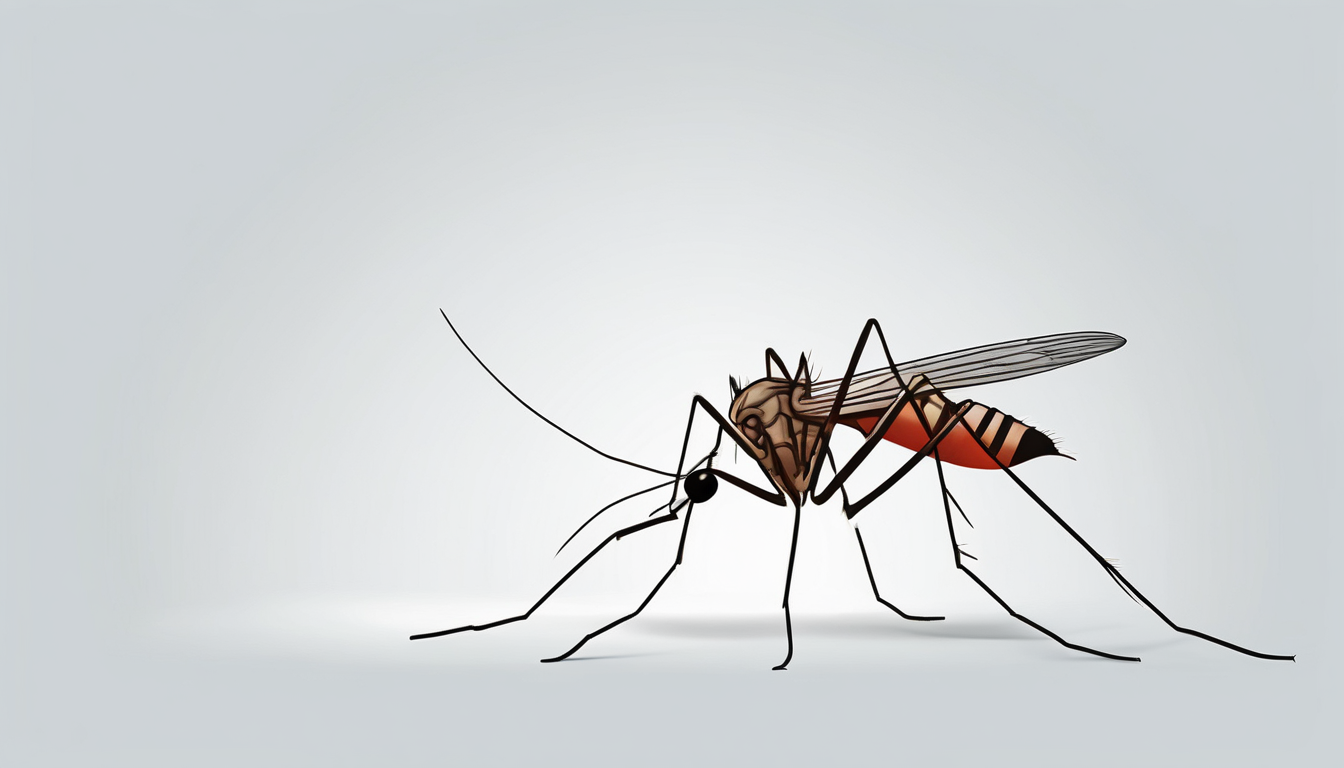

Mosquito-borne diseases in UAE climate represent a significant public health concern that requires specialised understanding and management approaches. The combination of high temperatures, humidity patterns, and urban development creates ideal breeding conditions for mosquitoes throughout much of the year. As a pest control engineer with extensive field experience across Dubai properties, I’ve observed how the UAE’s unique environmental factors influence mosquito behaviour and disease transmission patterns. This article provides comprehensive guidance on identifying risks, implementing effective prevention measures, and understanding when professional intervention becomes necessary.
Mosquito-Borne Diseases in Uae Climate – Understanding UAE Climate and Mosquito Biology
The UAE climate presents unique challenges for mosquito control due to temperature patterns, humidity levels, and urban development characteristics. Mosquitoes in Dubai typically thrive in temperatures between 25°C and 35°C, which correspond with much of the year in the region. The cooler winter months from November to February see reduced mosquito activity, while the period from March through October represents peak breeding and activity seasons. Understanding these seasonal patterns is crucial for effective timing of control measures.
Humidity plays a critical role in mosquito development cycles. The higher humidity levels near coastal areas, including Dubai Marina, Jumeirah, and Palm Jumeirah, create ideal conditions for mosquito breeding. Air conditioning systems in buildings often create condensation that provides additional moisture sources. Different mosquito species show varying preferences for breeding habitats, with some preferring clean water in ornamental fountains while others thrive in stagnant water found in blocked drains or plant saucers.
Mosquito Species in Dubai
Several mosquito species have adapted to urban environments in Dubai, each with different behavioural patterns and disease transmission capabilities. The most common species include Culex mosquitoes, which are often found breeding in polluted water sources, and Aedes mosquitoes, which prefer cleaner water containers. Understanding which species are present helps determine the most effective control strategies and potential disease risks associated with specific mosquito populations in different areas of Dubai.
Common Mosquito-Borne Diseases in UAE Climate
Mosquito-borne diseases in UAE climate conditions include several significant health threats that residents and property managers should understand. Dengue fever represents one of the most concerning mosquito-transmitted illnesses, with symptoms including high fever, severe headache, and joint pain. While not endemic to the UAE, imported cases can lead to local transmission if mosquito populations are not properly controlled. The Aedes mosquito species serves as the primary vector for dengue transmission.
Malaria, though largely controlled through extensive public health measures, still presents concerns particularly in certain northern emirates and among travellers returning from endemic regions. Chikungunya virus and West Nile virus also represent potential threats, though documented cases in Dubai remain relatively rare. Understanding these disease risks helps property owners appreciate the importance of comprehensive mosquito control programmes, particularly for families with children, elderly residents, or individuals with compromised immune systems.
Mosquito-borne Diseases In Uae Climate – Mosquito Breeding Sources in Dubai Properties
Identifying and eliminating mosquito breeding sources represents the most effective strategy for controlling mosquito-borne diseases in UAE climate conditions. Common breeding sites in Dubai properties include ornamental water features, plant pot saucers, blocked drainage systems, and air conditioning drip trays. Even small amounts of standing water can support mosquito breeding, with some species capable of developing in as little as a bottle cap full of water.
Landscaped gardens in Dubai villas often contain numerous potential breeding sites, including irrigation system overspray, decorative ponds, and water collection in garden equipment. Construction sites frequently create temporary water collection points that can become significant mosquito breeding grounds. Regular inspection and maintenance of these areas forms the foundation of effective mosquito control programmes. Professional pest control technicians trained in mosquito biology can identify less obvious breeding sites that property owners might overlook.
Professional Mosquito Treatment Methods in Dubai
Professional mosquito treatment methods for addressing mosquito-borne diseases in UAE climate conditions involve integrated approaches combining chemical and non-chemical strategies. Larvicidal treatments target mosquito breeding sites using products specifically approved by Dubai Municipality for use in different environments. These treatments prevent mosquito development before adults emerge, representing the most effective long-term control strategy.
Adulticidal treatments using ultra-low volume (ULV) misting systems target flying mosquitoes in outdoor areas. These treatments require careful application timing and weather condition considerations to maximise effectiveness while minimising environmental impact. Barrier treatments applied to vegetation and surfaces around properties provide residual protection against mosquitoes attempting to enter living spaces. Professional pest control companies in Dubai typically employ all three approaches in combination based on specific property assessments and mosquito pressure levels.
Dubai Municipality Mosquito Control Regulations
Dubai Municipality maintains comprehensive regulations governing mosquito control activities to ensure public safety and environmental protection. All pest control companies operating in Dubai must hold valid licenses and use only approved products registered with the municipality. These regulations specify application methods, concentration rates, and safety precautions that must be followed during mosquito control operations.
The municipality conducts regular inspections of potential mosquito breeding sites, particularly in public spaces, construction sites, and commercial properties. Property owners may receive notices requiring corrective action if mosquito breeding sources are identified on their premises. Understanding these regulations helps property managers and homeowners ensure compliance while implementing effective mosquito control programmes. Professional pest control providers stay updated on regulatory changes and requirements specific to mosquito-borne diseases in UAE climate conditions.
Mosquito Control for Dubai Villas and Gardens
Dubai villas with extensive gardens require specialised approaches to mosquito control due to the multiple potential breeding sites and larger outdoor areas. Landscape design considerations include ensuring proper drainage, avoiding excessive water features, and selecting plants that don’t require constant watering. Regular maintenance of irrigation systems prevents overspray and water accumulation that could support mosquito breeding.
Physical barriers including mosquito screens on windows and doors provide effective protection for indoor living spaces. Outdoor living areas benefit from fan systems that disrupt mosquito flight patterns and make landing difficult. Professional mosquito control programmes for villas typically include regular inspections, larvicidal treatments of potential breeding sites, and periodic barrier applications to vegetation and perimeter areas. These comprehensive approaches address mosquito-borne diseases in UAE climate conditions through multiple layers of protection.
Mosquito Prevention Tips for Dubai Residents
Residents can implement several practical measures to reduce mosquito populations and minimise risks of mosquito-borne diseases in UAE climate conditions. Regular inspection and elimination of standing water sources around properties represents the most important preventive measure. This includes emptying plant saucers, cleaning gutters, covering water storage containers, and ensuring proper drainage around air conditioning units.
Personal protection measures include using EPA-approved repellents when spending time outdoors, particularly during dawn and dusk when mosquito activity peaks. Wearing light-coloured, long-sleeved clothing provides additional protection against mosquito bites. Installing and maintaining window and door screens prevents mosquitoes from entering living spaces. These combined approaches significantly reduce mosquito exposure and complement professional control measures implemented by pest management professionals.
Expert Mosquito Control Tips from Dubai Professionals
Based on field experience with mosquito-borne diseases in UAE climate conditions, professional pest control engineers recommend several expert strategies. Conduct thorough property inspections after rainfall events, as even brief showers can create new breeding sites. Focus attention on hidden areas including basement sump pumps, elevator pits, and drainage systems that might contain standing water.
Consider installing automated misting systems for high-value outdoor living areas in luxury villas, though these require professional design and regular maintenance. Work with landscape professionals to design gardens that minimise mosquito breeding opportunities through proper grading and plant selection. Establish regular monitoring programmes using mosquito traps to track population levels and identify emerging problems before they become severe infestations.
Frequently Asked Questions
What are the most common mosquito-borne diseases in Dubai?
While Dubai maintains effective public health controls, the most concerning mosquito-borne diseases in UAE climate include dengue fever, chikungunya, and West Nile virus. Imported cases can lead to local transmission if mosquito populations are not properly managed. Professional mosquito control programmes significantly reduce these risks through comprehensive breeding site elimination and population management.
How often should professional mosquito treatments be applied in Dubai?
Treatment frequency depends on property characteristics, mosquito pressure, and seasonal factors. Most Dubai properties benefit from monthly treatments during peak season (March-October) and bi-monthly treatments during lower activity periods. Professional assessment determines the optimal treatment schedule based on specific property conditions and mosquito monitoring results.
Are mosquito control chemicals safe for children and pets?
Dubai-approved mosquito control products, when applied by licensed professionals following label instructions, pose minimal risks to children and pets. Professionals use targeted application methods that minimise exposure, and products typically have short re-entry periods. Always discuss specific concerns with your pest control provider before treatment.
What does mosquito control typically cost in Dubai?
Mosquito control services in Dubai typically range from AED 500 to AED 2,000 per treatment depending on property size, mosquito pressure, and treatment methods required. Annual contract programmes for villas with gardens generally cost between AED 4,000 and AED 12,000 depending on service frequency and property characteristics.
Can mosquitoes breed in air conditioning systems?
Yes, mosquitoes frequently breed in air conditioning drainage systems, drip trays, and condensation collection points. Regular maintenance and cleaning of AC units prevents water accumulation that supports mosquito development. Professional pest control technicians include AC systems in their inspection protocols for addressing mosquito-borne diseases in UAE climate conditions.
Effective management of mosquito-borne diseases in UAE climate requires understanding local conditions, implementing comprehensive prevention strategies, and engaging professional pest control services when necessary. The combination of property owner vigilance and professional expertise provides the most effective protection against mosquito-related health risks in Dubai’s unique environment.