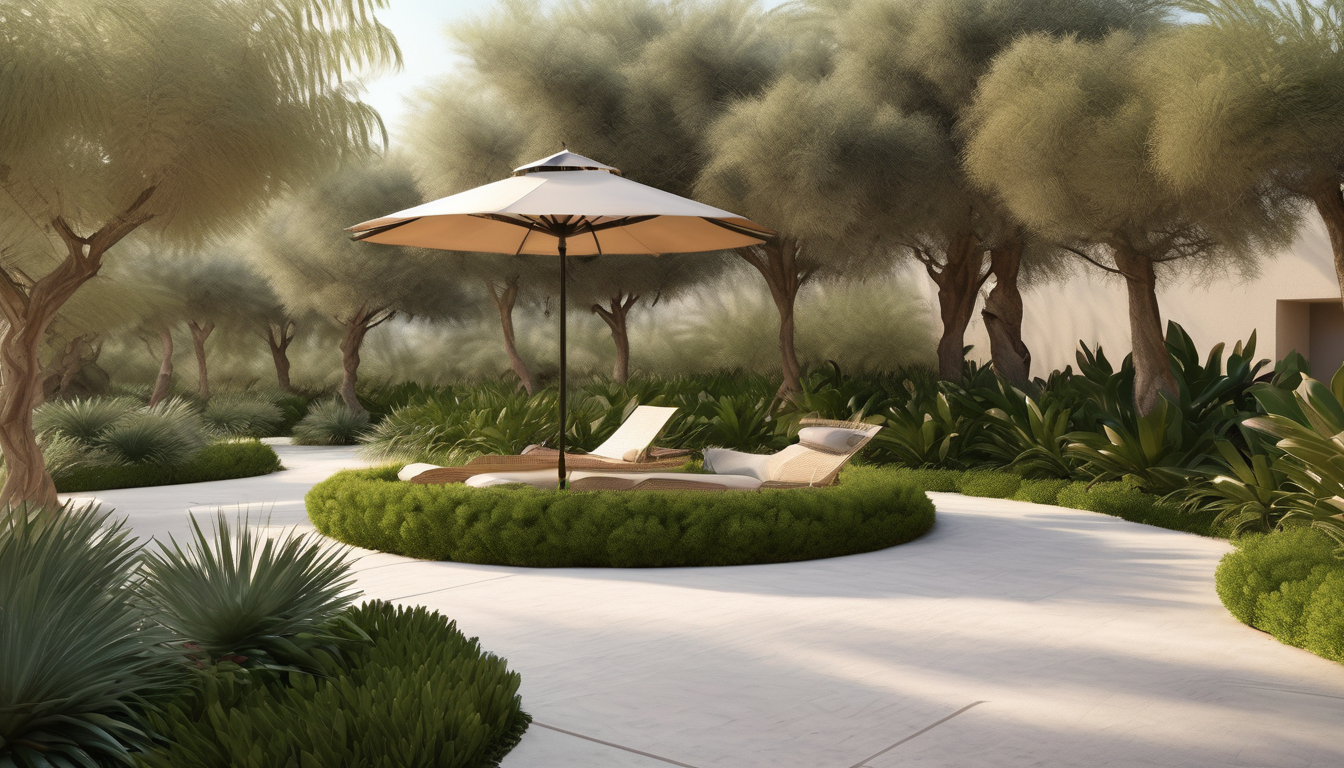


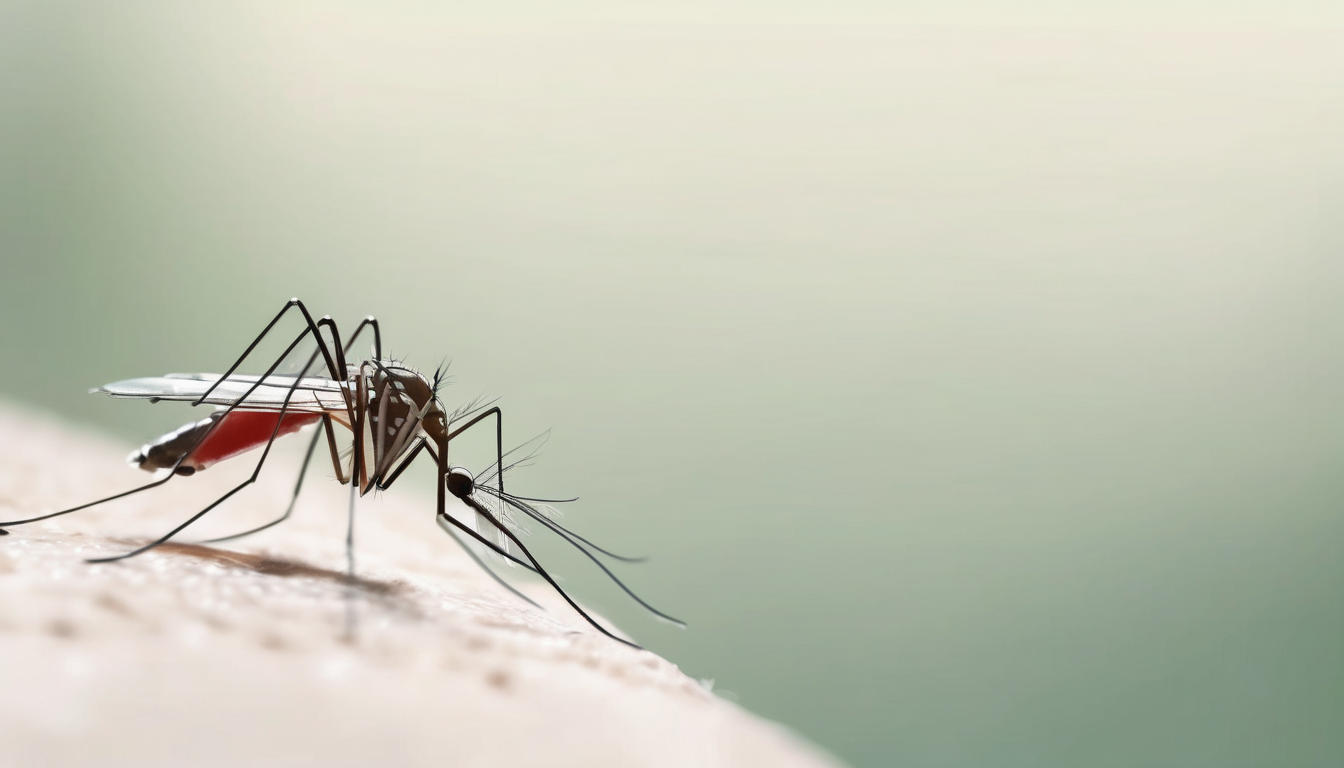

Mosquito Control for Dubai landscaped communities presents unique challenges due to the combination of lush vegetation, water features, and the UAE’s climate patterns. In Dubai’s residential communities, mosquitoes breed in irrigation runoff, fountain overflow, and standing water in plant saucers, creating persistent infestation cycles that require professional intervention. Effective mosquito control for Dubai landscaped communities must address both breeding sites and adult populations through integrated methods that consider community regulations, resident safety, and environmental impact. This comprehensive analysis compares the most effective approaches for managing mosquito populations in Dubai’s premium residential environments.
Understanding Mosquito Control for Dubai Landscaped Communities
Mosquito control for Dubai landscaped communities requires specialised knowledge of local species behavior and breeding patterns. The most common mosquitoes in Dubai communities are Culex and Aedes species, which thrive in the microclimates created by extensive landscaping, irrigation systems, and water features. These pests complete their life cycle in as little as 7-10 days in Dubai’s warm climate, making rapid intervention essential.
Landscaped communities create ideal mosquito breeding conditions through several mechanisms. Irrigation systems often produce standing water in low-lying areas, while decorative fountains and water features provide perfect egg-laying sites. Plant containers, drainage systems, and even overwatered lawn areas can become breeding grounds. Effective mosquito control for Dubai landscaped communities must address these specific environmental factors through targeted approaches that consider both the aesthetic requirements of the community and the practical need for pest reduction.
Mosquito Control For Dubai Landscaped Communities – Chemical Control Methods for Mosquito Management
Chemical interventions remain a critical component of mosquito control for Dubai landscaped communities, particularly during peak infestation periods. Adulticide treatments using synthetic pyrethroids applied via ULV (Ultra Low Volume) fogging can provide immediate population reduction when applied by certified technicians. These treatments target flying adults during dawn and dusk activity peaks.
Larvicide treatments represent a more targeted approach to mosquito control for Dubai landscaped communities. Products containing Bacillus thuringiensis israelensis (Bti) or insect growth regulators (IGRs) can be applied to standing water sources without harming other wildlife. These treatments disrupt mosquito development at the larval stage, preventing emergence of new adults. For communities with extensive water features, regular larvicide applications form the foundation of sustainable mosquito control programs.
Pros of Chemical Methods
Chemical approaches provide rapid results, with adulticide treatments reducing mosquito populations by 80-90% within 24 hours. They offer cost-effective solutions for large areas, with community-wide fogging programs typically costing AED 8,000-15,000 per treatment depending on community size. Chemical methods also provide flexibility in application timing, allowing treatments before community events or peak mosquito seasons.
Cons of Chemical Methods
Chemical resistance development remains a significant concern, particularly with frequent applications. Non-target impacts on beneficial insects and potential resident concerns about pesticide exposure require careful management. Chemical treatments also provide temporary relief rather than permanent solutions, requiring repeated applications throughout Dubai’s extended mosquito season from March through November.
Mosquito Control For Dubai Landscaped Communities – Biological Control Approaches for Landscaped Areas
Biological mosquito control for Dubai landscaped communities offers sustainable alternatives to chemical interventions. Introducing mosquito fish (Gambusia affinis) into ornamental ponds and water features provides continuous larval control without chemical inputs. These small fish consume mosquito larvae voraciously, with each adult fish capable of consuming hundreds of larvae daily.
Microbial agents like Bti and Bacillus sphaericus provide another biological approach to mosquito control for Dubai landscaped communities. These naturally occurring bacteria produce toxins specific to mosquito larvae, making them safe for other aquatic life, pets, and residents. Application rates typically range from AED 500-1,200 per hectare depending on water volume and infestation levels.
Pros of Biological Methods
Biological controls offer environmentally sustainable mosquito control for Dubai landscaped communities with minimal non-target impacts. They provide continuous protection without frequent reapplication, with mosquito fish populations sustaining themselves indefinitely in suitable water features. Biological methods also align with Dubai’s sustainability initiatives and community environmental policies.
Cons of Biological Methods
Biological controls require specific environmental conditions to remain effective. Mosquito fish cannot survive in chlorinated water or fountains with strong pumps, limiting their application options. Microbial agents require proper water conditions and may need reapplication after heavy rainfall or water feature cleaning. Biological methods also work more slowly than chemical interventions, requiring 2-3 weeks for full population impact.
Physical and Environmental Mosquito Control Strategies
Physical mosquito control for Dubai landscaped communities focuses on eliminating breeding sites and creating barriers between mosquitoes and residents. Source reduction remains the most effective long-term strategy, involving modification of landscaping practices to prevent water accumulation. This includes regrading areas with poor drainage, installing French drains in low-lying zones, and modifying irrigation schedules to prevent overwatering.
Mechanical controls include installing mosquito traps using CO₂ or octenol attractants, particularly around common areas and playgrounds. These devices can reduce local mosquito populations by 70-80% when properly placed and maintained. Community-wide installation programs typically involve 20-50 units depending on property size, with maintenance costs of AED 200-400 monthly per unit.
Pros of Physical Methods
Physical approaches provide permanent solutions to mosquito control for Dubai landscaped communities by addressing the root causes of infestations. They eliminate the need for chemical applications and create sustainable landscaping practices that prevent future problems. Physical methods also enhance overall community aesthetics and functionality through improved drainage and landscaping modifications.
Cons of Physical Methods
Physical modifications require significant upfront investment, with drainage improvements and landscaping changes costing AED 50,000-200,000 depending on community size. These methods also require coordination with landscape maintenance teams and may disrupt community aesthetics during implementation. Physical controls work gradually rather than providing immediate relief from existing mosquito populations.
Community-Wide Mosquito Control Implementation
Effective mosquito control for Dubai landscaped communities requires coordinated implementation across multiple property types and management structures. Community associations must develop comprehensive mosquito management plans that address common areas, individual villas, and perimeter zones. These plans typically include regular inspections, treatment schedules, and resident education components.
Implementation challenges for mosquito control for Dubai landscaped communities include coordinating treatments across multiple property owners, managing resident expectations, and complying with Dubai Municipality regulations. Successful programs establish clear communication channels, treatment protocols, and response procedures for resident complaints. Most communities benefit from professional pest management contracts costing AED 15,000-40,000 monthly depending on community size and service frequency.
Cost Comparison and Budget Considerations
Budget planning for mosquito control for Dubai landscaped communities requires understanding both initial investment and ongoing maintenance costs. Chemical programs typically represent the lowest upfront cost at AED 8,000-15,000 per treatment, but require frequent reapplication throughout mosquito season. Biological controls involve moderate installation costs of AED 10,000-25,000 with lower maintenance expenses.
Physical modifications represent the highest initial investment at AED 50,000-200,000 but provide permanent solutions with minimal ongoing costs. Most communities implement integrated programs combining all three approaches, with annual budgets typically ranging from AED 100,000-300,000 depending on community size and mosquito pressure. These programs provide the most sustainable mosquito control for Dubai landscaped communities while managing overall expenditure.
Expert Tips for Effective Mosquito Control
Based on field experience with mosquito control for Dubai landscaped communities, these professional recommendations ensure optimal results:
- Conduct weekly inspections of all water features, drainage systems, and irrigation areas during peak mosquito season (March-November)
- Implement community-wide source reduction programs focusing on eliminating standing water in plant saucers, blocked drains, and low-lying areas
- Schedule adulticide treatments during early morning hours when mosquito activity peaks and resident disruption minimizes
- Establish clear communication protocols with residents regarding treatment schedules, safety precautions, and reporting procedures
- Maintain detailed records of treatment applications, inspection findings, and resident complaints to identify patterns and improve effectiveness
- Coordinate with landscape maintenance teams to ensure irrigation practices don’t create breeding sites through overwatering or poor drainage
- Implement mosquito monitoring programs using traps and landing rate counts to measure program effectiveness and guide treatment timing
- Develop emergency response protocols for disease outbreak situations requiring rapid population reduction
Frequently Asked Questions
What is the most effective mosquito control method for Dubai communities?
Integrated mosquito control for Dubai landscaped communities combining source reduction, larvicide treatments, and targeted adulticide applications provides the most effective long-term results. This approach addresses breeding sites while managing adult populations, particularly important in communities with extensive landscaping and water features.
How often should mosquito treatments be applied in Dubai landscaped communities?
Treatment frequency for mosquito control for Dubai landscaped communities depends on season and infestation levels. During peak season (April-October), larvicide applications should occur weekly, with adulticide treatments every 2-4 weeks as needed. Off-season treatments can be reduced to monthly inspections and targeted interventions.
Are mosquito control chemicals safe for children and pets in community areas?
Professional mosquito control for Dubai landscaped communities uses Dubai Municipality-approved products applied by certified technicians following strict safety protocols. Most products degrade within hours of application, allowing safe use of treated areas once surfaces have dried. Always follow technician recommendations regarding re-entry times.
Can landscaping choices affect mosquito populations in Dubai communities?
Landscaping design significantly impacts mosquito control for Dubai landscaped communities. Plants that require less watering, proper grading to prevent water accumulation, and strategic placement of water features all contribute to reduced mosquito breeding sites. Professional landscape planning can reduce mosquito problems by 40-60%.
What should community managers look for in a mosquito control provider?
Effective mosquito control for Dubai landscaped communities requires providers with Dubai Municipality certification, experience with large-scale community programs, integrated approach capabilities, and comprehensive reporting systems. Providers should offer customized programs rather than one-size-fits-all solutions.
Successful mosquito control for Dubai landscaped communities requires understanding the unique environmental factors that contribute to mosquito breeding in these premium residential areas. By implementing integrated programs combining chemical, biological, and physical approaches, community managers can provide residents with effective protection while maintaining the aesthetic quality that makes these communities desirable. Regular monitoring, adaptive management, and professional implementation ensure sustainable mosquito control for Dubai landscaped communities throughout the year.