


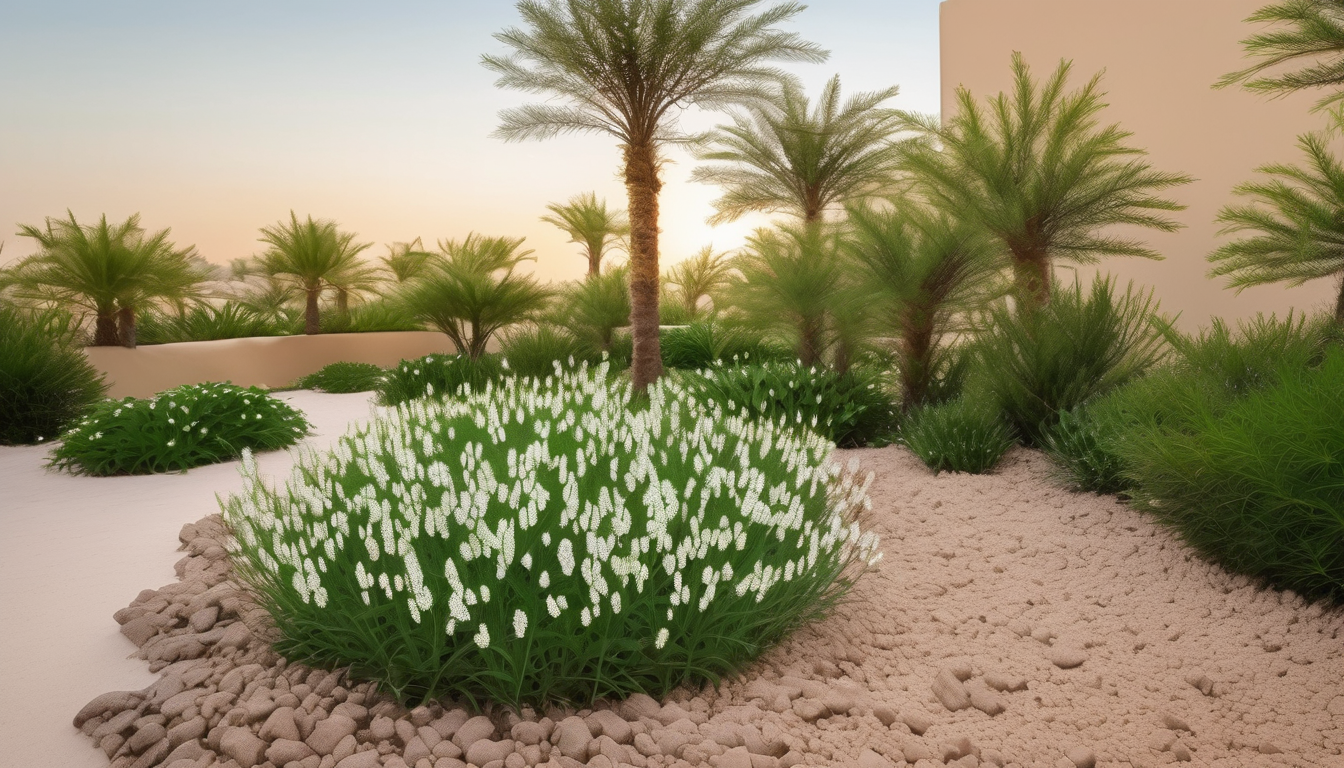

Mosquito repellent plants for Dubai gardens serve as a natural supplementary measure in integrated pest management strategies. While no plant alone can eliminate mosquito populations in Dubai’s challenging climate, certain aromatic species can help create less inviting environments for these pests when strategically placed around outdoor living areas, patios, and garden borders. The effectiveness of Mosquito Repellent Plants for Dubai gardens depends on proper selection, placement, and maintenance aligned with local growing conditions.
Dubai’s unique climate presents both opportunities and challenges for cultivating mosquito repellent plants. The intense heat, high humidity during certain seasons, and specific soil conditions require careful plant selection. Successful mosquito repellent plants for Dubai gardens must withstand temperatures that frequently exceed 40°C in summer while providing the aromatic compounds that mosquitoes find unpleasant. Understanding which plants thrive in these conditions is essential for creating an effective natural barrier.
As a pest control professional with extensive experience in Dubai properties, I’ve observed how mosquito repellent plants for Dubai gardens can complement professional mosquito control measures. These plants work best as part of a comprehensive approach that includes eliminating breeding sites, maintaining proper drainage, and implementing targeted professional treatments when necessary. The right selection of mosquito repellent plants for Dubai gardens can enhance outdoor comfort while reducing reliance on chemical interventions.
Mosquito Repellent Plants for Dubai Gardens – Understanding Mosquito Behavior in Dubai Climate
Effective use of mosquito repellent plants for Dubai gardens requires understanding local mosquito behavior. Dubai’s climate creates ideal breeding conditions for mosquitoes, particularly following rainfall or in areas with irrigation systems. Mosquitoes are most active during cooler hours around dawn and dusk, seeking shelter during the hottest parts of the day. This activity pattern informs where and how to position mosquito repellent plants for maximum effectiveness.
Different mosquito species present in Dubai respond differently to plant-based repellents. The most common species found in Dubai gardens include Culex, Aedes, and Anopheles mosquitoes, each with varying sensitivities to botanical compounds. The effectiveness of mosquito repellent plants for Dubai gardens depends on releasing sufficient concentrations of essential oils that interfere with mosquitoes’ ability to locate hosts through carbon dioxide and body odor detection.
Climate factors significantly impact the performance of mosquito repellent plants for Dubai gardens. High temperatures can accelerate the evaporation of essential oils from plant surfaces, potentially reducing their repellent effects during peak mosquito activity times. However, the same heat conditions can promote vigorous growth of many aromatic plants, creating more biomass and potentially greater repellent capacity when properly maintained.
Mosquito Repellent Plants for Dubai Gardens – Top Performing Mosquito Repellent Plants for Dubai Condition
Several plant species have demonstrated effectiveness as mosquito repellent plants for Dubai gardens when cultivated under local conditions. Citronella grass (Cymbopogon nardus) stands as one of the most recognized options, producing the characteristic aroma used in many commercial repellents. This perennial grass thrives in Dubai’s heat when provided with adequate water and well-draining soil, growing up to two metres tall and forming dense clumps that release fragrance when brushed against.
Lavender (Lavandula species) performs exceptionally well as mosquito repellent plants for Dubai gardens, particularly the heat-tolerant varieties like Spanish lavender. The silvery foliage and purple flowers not only add aesthetic value but also contain camphor and other compounds that mosquitoes avoid. Lavender’s drought tolerance once established makes it particularly suitable for Dubai’s climate, requiring minimal watering while providing continuous aromatic protection.
Rosemary (Rosmarinus officinalis) serves as both culinary herb and effective mosquito repellent plant for Dubai gardens. Its woody, aromatic foliage contains compounds that interfere with mosquito host-seeking behavior. Rosemary thrives in Dubai’s sunny conditions and well-draining soil, often growing into substantial bushes that provide year-round protection. The plant’s vertical growth habit makes it suitable for bordering seating areas and pathways where mosquito disruption is most needed.
Additional Effective Plant Varieties
Marigolds (Tagetes species) offer dual benefits as mosquito repellent plants for Dubai gardens, with their distinctive aroma repelling mosquitoes while their bright flowers add colour contrast. These annuals perform well in Dubai’s heat and can be strategically planted around vegetable gardens to provide additional pest protection. The compound limonene in marigold flowers creates an environment mosquitoes tend to avoid.
Basil (Ocimum basilicum), particularly the cinnamon and lemon varieties, serves as effective mosquito repellent plants for Dubai gardens while providing culinary value. The strong aromatic oils in basil leaves release when brushed or crushed, creating a protective zone around seating and dining areas. Basil grows vigorously in Dubai’s warm conditions, requiring regular harvesting which naturally releases more repellent compounds.
Mosquito Repellent Plants for Dubai Gardens – Planting Strategies for Maximum Mosquito Protection
Strategic placement significantly enhances the effectiveness of mosquito repellent plants for Dubai gardens. Concentrate plantings around areas where people gather—patios, seating areas, outdoor dining spaces, and near entry points to the home. Create perimeter plantings along property boundaries and near potential mosquito breeding sites to establish protective barriers. The arrangement of mosquito repellent plants for Dubai gardens should consider prevailing wind patterns to carry aromatic compounds toward seating areas rather than away from them.
Combining multiple varieties of mosquito repellent plants for Dubai gardens creates a more comprehensive protective effect. Different plants release various aromatic compounds that may target different mosquito species or work synergistically. Layering plants by height—taller varieties like citronella grass behind medium-height lavender and lower-growing thyme or oregano—creates a multi-level barrier that mosquitoes must navigate through multiple repellent zones.
Container gardening offers flexibility in positioning mosquito repellent plants for Dubai gardens precisely where protection is most needed. Potted plants can be moved to accommodate changing seating arrangements, seasonal sun patterns, or special events. Containers also allow for better soil control and drainage, which is particularly important in Dubai’s challenging growing conditions. Group containers strategically to create concentrated zones of repellent activity.
Maintenance Requirements for Dubai Climate
Proper maintenance ensures mosquito repellent plants for Dubai gardens remain vigorous and effective. Regular pruning encourages bushier growth and increased production of aromatic oils. For herbaceous plants like basil and mint, frequent harvesting for culinary use naturally maintains the plant while releasing more repellent compounds. Woody plants like rosemary benefit from seasonal pruning to prevent leggy growth and maintain dense foliage.
Irrigation management presents a particular challenge for mosquito repellent plants for Dubai gardens. While these plants require adequate moisture to thrive, overwatering can create breeding opportunities for mosquitoes in saucers or poorly draining soil. Drip irrigation systems or watering at soil level rather than overhead sprinkling helps maintain plant health without creating standing water. The watering needs of mosquito repellent plants for Dubai gardens must be balanced against mosquito breeding prevention requirements.
Soil quality and fertilization affect the potency of mosquito repellent plants for Dubai gardens. Well-draining soil amended with organic matter supports healthy root development and essential oil production. Avoid excessive nitrogen fertilization, which can promote lush growth at the expense of aromatic compound development. Slow-release organic fertilizers typically provide the balanced nutrition these plants need without overwhelming them with rapid growth.
Limitations and Realistic Expectations
While valuable, mosquito repellent plants for Dubai gardens have definite limitations in their protective capacity. The repellent effect typically extends only a few feet from the plant itself, requiring dense and strategic placement for meaningful coverage. Protection varies based on plant health, environmental conditions, and mosquito population pressure. During peak mosquito season in Dubai, even well-maintained mosquito repellent plants for Dubai gardens may provide insufficient protection alone.
Weather conditions significantly impact the effectiveness of mosquito repellent plants for Dubai gardens. High winds can disperse aromatic compounds rapidly, reducing their localized concentration. Extreme heat may cause plants to reduce essential oil production as a protective measure. During the cooler winter months when some plants grow more slowly, their repellent effects may diminish accordingly. These seasonal variations must be considered when relying on mosquito repellent plants for Dubai gardens.
The concept of mosquito repellent plants for Dubai gardens works best as part of an integrated approach rather than a standalone solution. These plants create less attractive environments for mosquitoes but cannot eliminate existing infestations or prevent mosquitoes from breeding nearby. For properties with significant mosquito issues, professional assessment and treatment remain essential, with plants serving as a complementary measure rather than primary control.
Integrating Plants with Professional Mosquito Control
Mosquito repellent plants for Dubai gardens find their greatest value when integrated with professional mosquito control strategies. Property owners should first address breeding sites through proper drainage, eliminating standing water, and maintaining swimming pools properly. Professional barrier treatments applied to vegetation and structures provide broader protection that complements the localized effect of repellent plants. This integrated approach creates multiple layers of defense against mosquitoes.
The selection and placement of mosquito repellent plants for Dubai gardens can be coordinated with professional treatment plans. Plants should be positioned to protect areas where chemical applications might be minimized, such as around organic vegetable gardens or children’s play areas. Professional pest control technicians can provide guidance on which mosquito repellent plants for Dubai gardens work best with specific treatment protocols and how to arrange them for maximum benefit.
Monitoring mosquito populations helps evaluate the effectiveness of mosquito repellent plants for Dubai gardens within the overall control strategy. Professional services typically include population monitoring to determine treatment timing and effectiveness. Property owners can note whether mosquito activity decreases in areas with concentrated plantings versus other garden areas. This information helps refine both plant placement and professional treatment strategies over time.
Dubai-Specific Growing Considerations
Successful cultivation of mosquito repellent plants for Dubai gardens requires adaptation to local conditions. Soil in many Dubai areas tends toward sandiness with high alkalinity, requiring amendment with organic matter and attention to pH levels. Many aromatic plants preferred for mosquito protection originate from Mediterranean climates similar to Dubai’s, making them naturally suited to the heat and sun intensity when provided with proper drainage.
Water quality represents an important consideration for mosquito repellent plants for Dubai gardens. Dubai’s desalinated water contains different mineral profiles than natural groundwater, which can affect plant health over time. Some plants may show sensitivity to specific mineral contents in irrigation water. Using filtered water or allowing tap water to stand before use can help mitigate potential issues for sensitive mosquito repellent plants for Dubai gardens.
Microclimates within Dubai properties significantly affect the performance of mosquito repellent plants for Dubai gardens. Areas near buildings may experience radiated heat, while shaded areas might maintain higher humidity levels. Understanding these microclimates allows for better plant selection and placement. Some mosquito repellent plants for Dubai gardens may perform better in slightly protected locations rather than in full exposed sun throughout the day.
Expert Tips for Mosquito Repellent Garden Success
Maximize the effectiveness of mosquito repellent plants for Dubai gardens through strategic cultivation practices. Plant during Dubai’s cooler months from October through March to allow establishment before extreme summer heat. Group plants with similar water requirements together to simplify irrigation management. Incorporate companion plants that attract beneficial insects which prey on mosquitoes, creating a more comprehensive biological control system.
Enhance the repellent effect of mosquito repellent plants for Dubai gardens through gentle stimulation of the plants. Lightly brushing against plants when passing releases additional aromatic compounds into the air. Positioning plants where breezes will pass through them helps distribute repellent oils more effectively. For container plants, occasional rotation ensures all sides receive adequate sunlight for balanced growth and oil production.
Combine mosquito repellent plants for Dubai gardens with other physical control measures for enhanced protection. Ceiling fans on patios disrupt mosquito flight patterns while helping to distribute plant aromas. Screened outdoor areas provide protection where plant effects might be insufficient. Proper lighting selection—using yellow bug lights rather than white lights—reduces mosquito attraction to evening gathering areas complemented by plant protections.
Frequently Asked Questions
How effective are mosquito repellent plants alone for Dubai gardens?
Mosquito repellent plants provide limited protection in Dubai gardens, typically creating a repellent zone of one to two metres around each plant. They work best as part of an integrated approach with professional mosquito control, breeding site elimination, and physical barriers. During peak mosquito season, plants alone cannot provide complete protection for outdoor living areas.
Which mosquito repellent plants grow best in Dubai’s heat?
Rosemary, lavender, citronella grass, and certain basil varieties tolerate Dubai’s extreme heat exceptionally well when established with proper drainage. These Mediterranean-origin plants have adapted to similar climate conditions and typically thrive with appropriate irrigation management and soil preparation for Dubai’s specific growing environment.
How often should I water mosquito repellent plants in Dubai?
Watering frequency for mosquito repellent plants in Dubai varies by species, season, and planting method. Generally, deep watering two to three times per week during summer establishes strong root systems while avoiding surface moisture that might attract mosquitoes. Always check soil moisture before watering and adjust based on plant response and temperature conditions.
Can mosquito repellent plants increase mosquito problems?
Improperly maintained mosquito repellent plants can potentially contribute to mosquito problems if overwatered or if containers hold standing water. Proper drainage and watering practices prevent creating accidental breeding sites. Well-maintained plants typically enhance mosquito control rather than contributing to problems when integrated with comprehensive management strategies.
Do I need to replace mosquito repellent plants annually in Dubai?
Many effective mosquito repellent plants for Dubai gardens are perennials that continue growing year-round in Dubai’s climate. Rosemary, lavender, and citronella grass typically persist for multiple seasons with proper care. Annuals like marigolds may need seasonal replacement, but many key repellent plants establish as long-term garden features.
Conclusion
Mosquito repellent plants for Dubai gardens offer valuable supplementary protection when selected, positioned, and maintained appropriately for local conditions. While not a standalone solution for serious mosquito issues, these plants contribute to creating less inviting environments for mosquitoes when integrated with professional control measures. The most effective approach combines strategic planting with comprehensive mosquito management addressing breeding sites, professional treatments, and physical barriers.
Successful implementation of mosquito repellent plants for Dubai gardens requires understanding both plant requirements and mosquito behavior patterns. Property owners should view plants as one component within a layered defense strategy rather than expecting complete protection from planting alone. With proper selection and placement, mosquito repellent plants for Dubai gardens can enhance outdoor comfort while reducing reliance on chemical interventions in frequently used outdoor spaces.
For properties experiencing significant mosquito challenges, professional assessment remains essential to develop effective control strategies. Mosquito repellent plants for Dubai gardens work best when coordinated with expert guidance on overall mosquito management tailored to specific property conditions and usage patterns. This integrated approach provides the most reliable protection for Dubai homes and gardens throughout the varying mosquito seasons.