


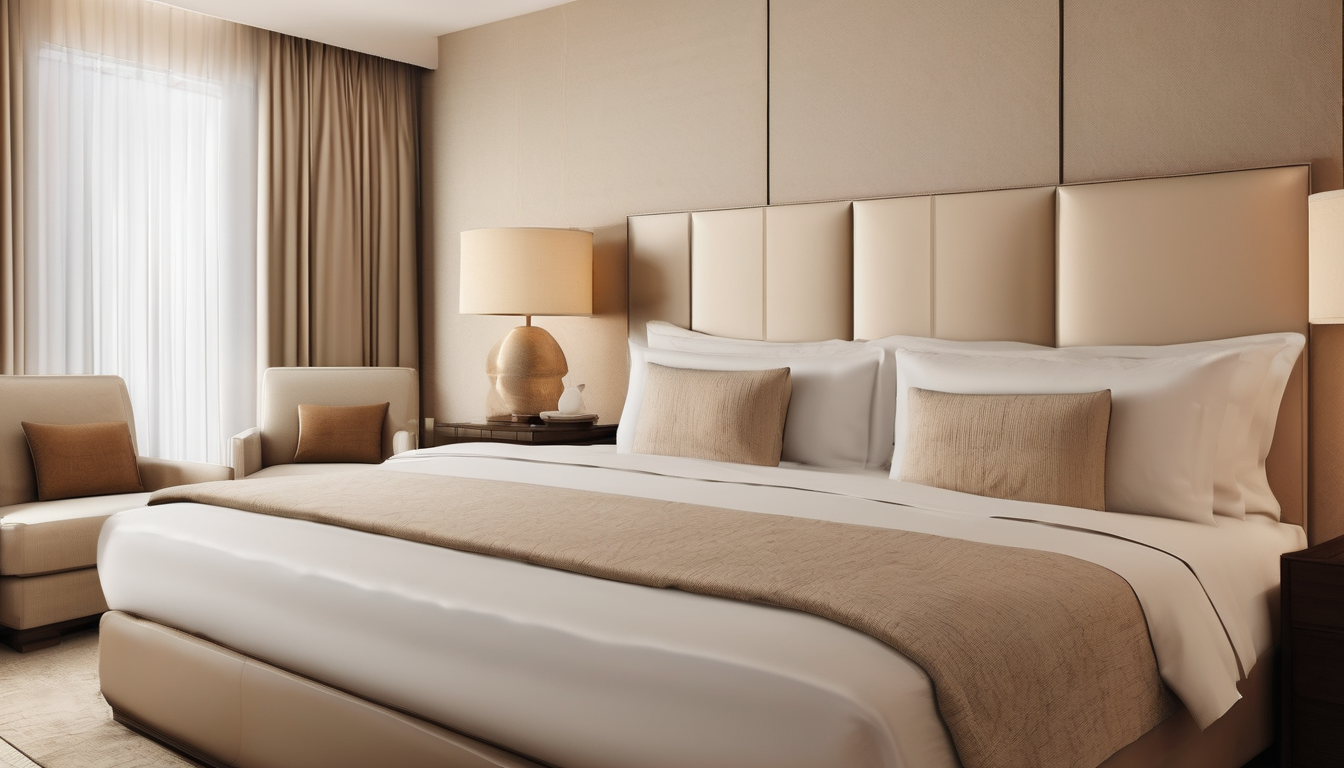

Bed Bug Heat treatment process in Dubai hotels represents the most scientifically advanced approach to eliminating these persistent pests without chemical residues. In Dubai’s hospitality sector, where guest satisfaction and rapid room turnover are paramount, heat treatment offers complete eradication in a single treatment cycle. The process involves strategically placing industrial-grade heaters throughout the infested space to gradually raise temperatures to 55-60°C, a lethal threshold that penetrates deep into furniture, wall voids, and bedding materials where bed bugs hide.
Dubai’s climate presents unique advantages for heat treatment protocols. The naturally warm environment reduces energy requirements compared to colder regions, while modern hotel construction with excellent insulation helps maintain consistent temperatures throughout the treatment area. Hotel managers across Dubai increasingly prefer this method because it addresses the entire infestation lifecycle—eggs, nymphs, and adults—without requiring guests to discard personal belongings or vacate rooms for extended periods. This relates directly to Bed Bug Heat Treatment Process in Dubai Hotels.
Bed Bug Heat Treatment Process in Dubai Hotels – Understanding Bed Bug Biology and Heat Vulnerability
The effectiveness of bed bug heat treatment process in Dubai hotels stems from fundamental entomological principles. Bed bugs, like all insects, are ectothermic organisms whose metabolic processes are governed by environmental temperatures. At 45°C, bed bugs experience thermal stress that disrupts their cellular functions. When temperatures reach 55-60°C maintained for several hours, proteins denature, enzymes deactivate, and vital physiological systems collapse.
This thermal vulnerability applies equally to all life stages. Eggs, which are notoriously resistant to chemical treatments, cannot survive sustained exposure to temperatures above 50°C. Nymphs and adults perish at slightly higher thresholds. The comprehensive nature of heat penetration ensures that even hidden populations in mattress seams, behind baseboards, and within electrical outlets receive lethal exposure.
Why Heat Outperforms Chemical Treatments in Hotel Settings
Chemical treatments often require multiple applications over weeks or months, disrupting hotel operations and guest scheduling. Bed bugs frequently develop resistance to common insecticides, particularly in environments like Dubai hotels where previous treatments may have created selective pressure. Heat treatment provides immediate, complete eradication without resistance concerns.
Bed Bug Heat Treatment Process in Dubai Hotels – Professional Equipment Requirements for Hotel Heat Treatment
The bed bug heat treatment process in Dubai hotels requires specialized industrial equipment designed for large-scale applications. Certified technicians use forced-air heaters capable of generating 100,000-400,000 BTU, depending on room volume and layout. These units distribute heat evenly through high-velocity airflow, preventing cold spots where bed bugs might survive.
Temperature monitoring represents a critical component of the process. Technicians place wireless sensors throughout the treatment area—inside drawers, under beds, within closets, and behind furniture. These sensors provide real-time data to ensure every area reaches and maintains the target temperature for the required duration. Modern systems include automated shut-off features and remote monitoring capabilities for safety and precision.
Bed Bug Heat Treatment Process in Dubai Hotels – Step-by-Step Hotel Preparation Protocol
Proper preparation ensures the bed bug heat treatment process in Dubai hotels achieves complete success. Hotel staff and pest management professionals collaborate on a detailed preparation checklist that typically includes removing heat-sensitive items, decluttering spaces, and creating optimal airflow pathways. Electronics, aerosol cans, candles, and certain medications must be removed from treatment areas to prevent damage.
Technicians carefully position furniture to allow heat penetration from all sides. Mattresses stand upright against walls, drawers are removed from dressers, and closet doors remain open. This meticulous preparation, often completed the evening before treatment, enables the heat to reach all potential harborage areas without obstruction.
Temperature Monitoring and Treatment Duration
During the bed bug heat treatment process in Dubai hotels, technicians maintain constant vigilance over temperature conditions. The protocol requires gradually increasing room temperatures to avoid damaging building materials while ensuring lethal heat reaches all concealed spaces. Most treatments require 6-12 hours to complete, depending on room size, furniture density, and initial ambient conditions.
Professional standards mandate that all areas maintain 55-60°C for at least 2-4 hours to guarantee complete eradication. Technicians document temperature readings throughout the process, providing hotels with certified reports demonstrating treatment compliance with industry standards and Dubai Municipality requirements.
Post-Treatment Verification and Prevention
Following the bed bug heat treatment process in Dubai hotels, technicians conduct thorough inspections using flashlights and magnifiers to verify elimination. Many companies employ bed bug detection dogs for final verification—these specially trained animals can identify even single surviving insects or eggs with remarkable accuracy.
Hotels receive comprehensive prevention recommendations, including regular monitoring protocols, staff training programs, and early detection strategies. Many establishments implement mattress encasements, routine inspections, and educational materials for housekeeping teams to prevent reintroduction from guest luggage or transferred furnishings.
Dubai Municipality Compliance and Safety Standards
The bed bug heat treatment process in Dubai hotels operates under strict regulatory oversight. Dubai Municipality requires pest management companies to hold specific licenses for heat treatment applications, ensuring technicians receive proper training in equipment operation and safety protocols. All treatments must comply with occupational health standards and building safety regulations.
Professional companies maintain comprehensive insurance coverage and safety certifications for their equipment. Hotel managers should verify that service providers hold valid Dubai Municipality pest control licenses and adequate liability insurance before authorizing treatments.
Cost Considerations and Operational Impact
While the bed bug heat treatment process in Dubai hotels involves higher initial investment than chemical alternatives, the comprehensive nature often makes it more cost-effective overall. Hotels avoid multiple treatment cycles, lost revenue from extended room closures, and potential guest compensation claims. The single-treatment approach minimizes operational disruption and protects the establishment’s reputation.
Many pest management companies offer tailored pricing based on room size, infestation severity, and hotel layout. Properties with multiple affected rooms often receive volume discounts, while luxury hotels may opt for additional services like canine verification and extended warranties.
Expert Tips for Hotel Bed Bug Management
Regular staff training represents the first line of defense against bed bug introductions. Housekeeping teams should learn to identify early signs of activity during routine cleaning. Implementing protective measures like luggage racks and mattress encasements creates additional barriers against establishment.
Establish a response protocol for suspected infestations that includes immediate isolation of affected rooms, professional inspection, and treatment coordination. Maintain relationships with certified pest management providers who specialize in hotel environments and understand the unique challenges of hospitality pest control.
Frequently Asked Questions
How long do Dubai hotels need to close rooms for heat treatment?
Most bed bug heat treatments require 8-12 hours of active treatment plus preparation and cool-down time. Hotels typically schedule treatments during low-occupancy periods, with rooms returning to service within 24 hours. The exact duration depends on room size, furniture density, and equipment efficiency.
Can heat treatment damage hotel furniture or electronics?
When performed by certified technicians, heat treatment poses minimal risk to hotel furnishings. Professionals remove heat-sensitive items beforehand and monitor temperatures carefully to prevent damage. Modern hotel furniture generally withstands treatment temperatures without issues.
Is heat treatment safe for guests with chemical sensitivities?
Yes, heat treatment leaves no chemical residues, making it ideal for guests with sensitivities. The process uses only heated air, eliminating concerns about pesticide exposure or allergic reactions. Rooms are thoroughly ventilated before returning to service.
How often should Dubai hotels conduct preventive inspections?
High-traffic hotels should conduct monthly inspections of guest rooms and quarterly comprehensive assessments. Properties with previous infestations may opt for more frequent monitoring. Many hotels implement canine inspection programs quarterly for early detection.
Does heat treatment prevent future bed bug infestations?
While heat treatment eliminates current infestations, it doesn’t prevent future introductions. Hotels must implement ongoing monitoring, staff training, and preventive measures to protect against new infestations from guest luggage or transferred furnishings.
The bed bug heat treatment process in Dubai hotels represents the gold standard for eradication in hospitality environments. This scientifically validated approach eliminates all life stages without chemical residues, minimizes room downtime, and addresses the growing challenge of pesticide resistance. For Dubai hotel managers facing bed bug challenges, professional heat treatment offers the most comprehensive solution available today.