


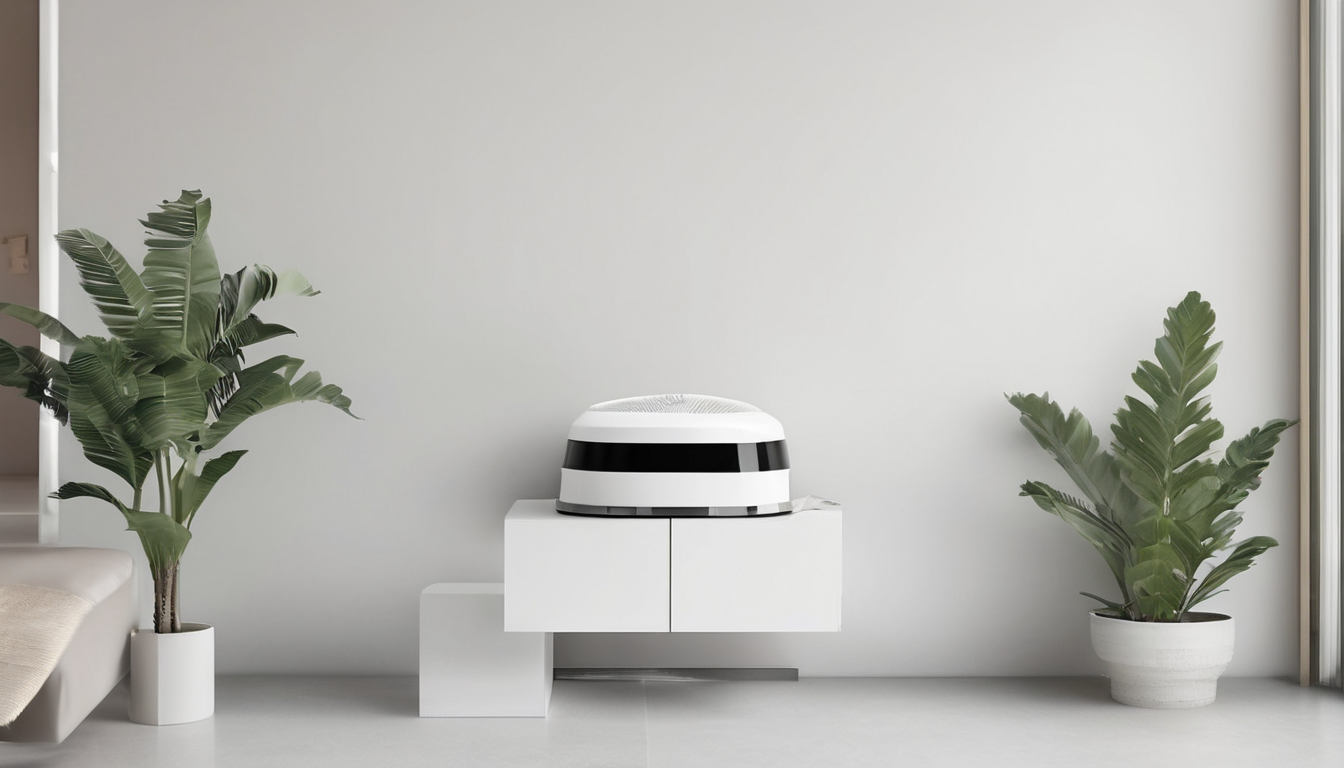

Understanding Biogents Mosquito Trap Installation Guide Dubai is essential. Biogents Mosquito Trap installation in Dubai requires careful consideration of local climate conditions, mosquito species behaviour, and property layout for optimal effectiveness. Unlike chemical spraying, these traps use CO₂ and visual cues to attract and capture mosquitoes, making proper placement critical for success. In Dubai’s urban environment with high-rise buildings, landscaped communities, and varying humidity levels, installation follows specific engineering principles that account for air currents, temperature gradients, and mosquito flight patterns. Professional installation typically involves site assessment, strategic positioning relative to breeding sites, and integration with existing pest management protocols.
Understanding Biogents Mosquito Trap Installation Guide Dubai
Biogents Mosquito Trap installation in Dubai begins with understanding the trap’s operating principle and how it interacts with local mosquito species. These traps replicate human breath by releasing carbon dioxide and use visual cues to attract host-seeking mosquitoes. In Dubai’s climate, where temperatures regularly exceed 40°C during summer months and humidity levels fluctuate significantly, installation must account for these environmental factors. The Biogents Mosquito Trap installation guide Dubai approach emphasizes positioning traps in areas where mosquitoes naturally congregate while avoiding placement that would compete with human hosts.
Professional Biogents Mosquito Trap installation in Dubai considers the flight range of local mosquito species, which typically varies between 50-200 metres depending on species and environmental conditions. Installation height is critical – traps should be positioned at approximately 1.5 metres above ground level to intercept mosquito flight paths. The Biogents Mosquito Trap installation guide Dubai methodology also addresses wind patterns, as Dubai’s consistent breeze direction affects scent plume dispersion. Traps must be installed upwind of seating areas but downwind of suspected breeding sites for maximum capture efficiency.
Biogents Mosquito Trap Installation Guide Dubai – Pre-Installation Site Assessment for Dubai Properties
Comprehensive site assessment forms the foundation of effective Biogents Mosquito Trap installation in Dubai. This process involves mapping mosquito breeding sites, identifying resting areas, and analysing human activity patterns. Technicians conduct evening inspections to observe mosquito activity peaks, typically between 6-9 PM in Dubai during summer months. The assessment includes documentation of water sources, vegetation density, and architectural features that influence mosquito movement.
The Biogents Mosquito Trap installation guide Dubai protocol requires measuring distances between potential breeding sites and human occupancy areas. In Dubai villas, common breeding sites include irrigation systems, water features, and air conditioning drainage points. For community installations, assessment includes analysing landscape maintenance practices and water accumulation patterns. This pre-installation evaluation determines the number of traps required, with typical Dubai villa installations ranging from 2-4 units depending on property size and mosquito pressure levels.
Assessment Checklist for Dubai Properties
Professional Biogents Mosquito Trap installation in Dubai includes verifying property boundaries, identifying neighbouring water sources, and assessing prevailing wind directions. Technicians document vegetation types that provide mosquito resting sites and note evening human activity patterns to ensure traps are positioned between breeding sites and occupancy areas.
Biogents Mosquito Trap Installation Guide Dubai – Optimal Placement Strategies for Dubai Climate
Biogents Mosquito Trap installation in Dubai requires strategic placement considering the unique desert climate and urban environment. Placement should consider temperature gradients, as mosquitoes follow cooler air currents during hot periods. In Dubai’s summer months, traps perform best when positioned in shaded areas during peak afternoon heat, then moved to more open areas during evening activity periods.
The Biogents Mosquito Trap installation guide Dubai approach emphasizes avoiding placement near competing attractants such as outdoor lighting or cooking areas. Optimal positioning places traps 5-10 metres from seating areas, facing toward suspected mosquito sources. For larger properties, installation follows a perimeter defence strategy, creating a protective barrier around outdoor living spaces. This Biogents Mosquito Trap installation guide Dubai methodology has proven effective in Dubai communities where mosquito pressure originates from shared landscaping and irrigation systems.
Step-by-Step Installation Process
Professional Biogents Mosquito Trap installation in Dubai follows a systematic process beginning with unit assembly and concluding with performance verification. Installation starts with mounting the trap on a stable surface or hanging from a secure hook at the recommended height. The Biogents Mosquito Trap installation guide Dubai specifies using the supplied mounting hardware and ensuring the trap remains level for proper operation.
The installation process includes connecting the CO₂ system if using supplemental carbon dioxide, which significantly increases trap effectiveness in Dubai’s environment. Technicians verify gas connections are secure and regulate pressure according to manufacturer specifications. Electrical connections are weather-proofed using Dubai-approved outdoor rated components, considering the extreme summer temperatures and occasional rainfall. The final Biogents Mosquito Trap installation guide Dubai step involves programming operation schedules to match Dubai’s mosquito activity patterns, typically running from late afternoon through early morning.
Dubai-Specific Installation Considerations
Biogents Mosquito Trap installation in Dubai must account for several location-specific factors that affect performance. The high mineral content in Dubai’s water supply requires using distilled water in the trap’s collection container to prevent scaling and maintenance issues. Summer temperatures exceeding 45°C necessitate positioning traps in shaded areas to prevent plastic components from warping and electrical systems from overheating.
The Biogents Mosquito Trap installation guide Dubai addresses the urban heat island effect, where concrete and building materials retain heat, altering mosquito behaviour patterns. Installation in high-rise balcony settings requires additional considerations for wind exposure and accessibility for maintenance. Dubai’s municipality regulations regarding outdoor equipment placement must be followed, particularly in community developments with strict aesthetic guidelines. These Biogents Mosquito Trap installation guide Dubai considerations ensure compliance while maintaining optimal trapping efficiency.
Integration with Existing Mosquito Control Measures
Effective Biogents Mosquito Trap installation in Dubai involves integrating the system with existing mosquito control measures rather than replacing them. The traps work synergistically with larval control programs by capturing adult mosquitoes before they can reproduce. Professional installation includes assessing current control methods and positioning traps to complement rather than conflict with these approaches.
The Biogents Mosquito Trap installation guide Dubai methodology coordinates with seasonal spraying programs, using traps to monitor mosquito populations between treatments. Installation timing considers Dubai’s mosquito season peaks, typically intensifying after winter rains and during summer humidity periods. Integration includes positioning traps to protect specific high-use areas while broader area controls address breeding sources. This comprehensive Biogents Mosquito Trap installation guide Dubai approach maximizes overall mosquito reduction while minimizing chemical usage.
Maintenance Protocols for Dubai Conditions
Biogents Mosquito Trap installation in Dubai includes establishing maintenance schedules tailored to local environmental conditions. Dubai’s high dust levels require more frequent filter cleaning than manufacturer recommendations, typically every 2-3 weeks during sandstorm periods. The collection nets need weekly emptying during peak mosquito season due to higher capture rates in Dubai’s climate.
The Biogents Mosquito Trap installation guide Dubai maintenance protocol includes monthly inspection of all components for UV degradation, which accelerates under Dubai’s intense sunlight. Electrical connections require quarterly verification due to temperature-induced expansion and contraction. Professional maintenance services in Dubai typically include seasonal adjustments to trap positioning based on changing wind patterns and vegetation growth. This Biogents Mosquito Trap installation guide Dubai maintenance approach ensures consistent performance throughout the year despite challenging environmental conditions.
Monitoring Effectiveness and Performance Tracking
Biogents Mosquito Trap installation in Dubai includes implementing monitoring systems to verify effectiveness and make data-driven adjustments. Installation technicians establish baseline mosquito population measurements before activation and track reduction rates over time. The Biogents Mosquito Trap installation guide Dubai monitoring process involves weekly catch counts, species identification, and correlation with weather patterns.
Performance tracking includes documenting trap catches during different wind conditions and temperatures to optimize positioning. The Biogents Mosquito Trap installation guide Dubai approach uses this data to adjust trap density and placement throughout the mosquito season. Monitoring also identifies when maintenance is required based on declining catch rates rather than fixed schedules. This results-oriented Biogents Mosquito Trap installation guide Dubai methodology ensures property owners receive maximum value from their mosquito control investment.
Expert Installation Tips for Dubai Properties
Based on extensive field experience with Biogents Mosquito Trap installation in Dubai, these professional tips ensure optimal performance: Position traps downwind of breeding sources during evening hours when mosquito activity peaks; Use supplemental CO₂ during summer months when natural respiration rates increase due to heat; Install traps before major weather changes, as mosquitoes become more active following temperature shifts; Coordinate installation with landscape maintenance schedules to avoid disruption; Consider installing multiple traps at varying heights in properties with multi-level outdoor spaces; Document installation positions and catch rates to identify optimal placement through seasonal changes.
Frequently Asked Questions
How many Biogents traps do I need for my Dubai villa?
Most Dubai villas require 2-4 traps depending on property size and mosquito pressure. A standard 3,000 square metre villa typically needs three strategically placed traps covering entrance areas, patio spaces, and garden perimeters. Professional assessment determines exact requirements based on breeding site proximity and vegetation density.
What maintenance does the trap require in Dubai’s climate?
Biogents traps in Dubai need weekly collection net emptying during peak season, monthly component inspections for UV damage, and quarterly electrical connection checks. The high dust environment requires more frequent filter cleaning than standard recommendations, typically every 2-3 weeks during sandstorm periods.
Can I install Biogents traps on my Dubai apartment balcony?
Yes, balcony installation is possible with proper mounting considerations for wind exposure and accessibility. Higher floor installations may require supplemental CO₂ as natural ground-level breath simulation decreases with elevation. Dubai municipality regulations regarding balcony equipment must be verified before installation.
How effective are Biogents traps against Dubai mosquito species?
Biogents traps effectively target Culex and Aedes species common in Dubai when properly installed. Capture rates vary based on placement relative to breeding sites and integration with larval control programs. Professional installation typically achieves 60-80% reduction in mosquito populations within the trap’s effective range.
What is the optimal installation height for Dubai conditions?
In Dubai’s environment, traps perform best at 1.2-1.8 metres height, positioned to intercept mosquito flight paths between breeding sites and human activity areas. Height adjustment may be necessary based on vegetation height and architectural features that influence mosquito movement patterns.
Conclusion
Proper Biogents Mosquito Trap installation in Dubai requires professional assessment, strategic placement considering local climate factors, and ongoing maintenance tailored to environmental conditions. Successful implementation reduces mosquito populations through targeted trapping while minimizing chemical usage. The Biogents Mosquito Trap installation guide Dubai approach provides effective, environmentally responsible mosquito control for Dubai residences and communities when executed by experienced pest management professionals familiar with local mosquito behaviour and environmental challenges.