


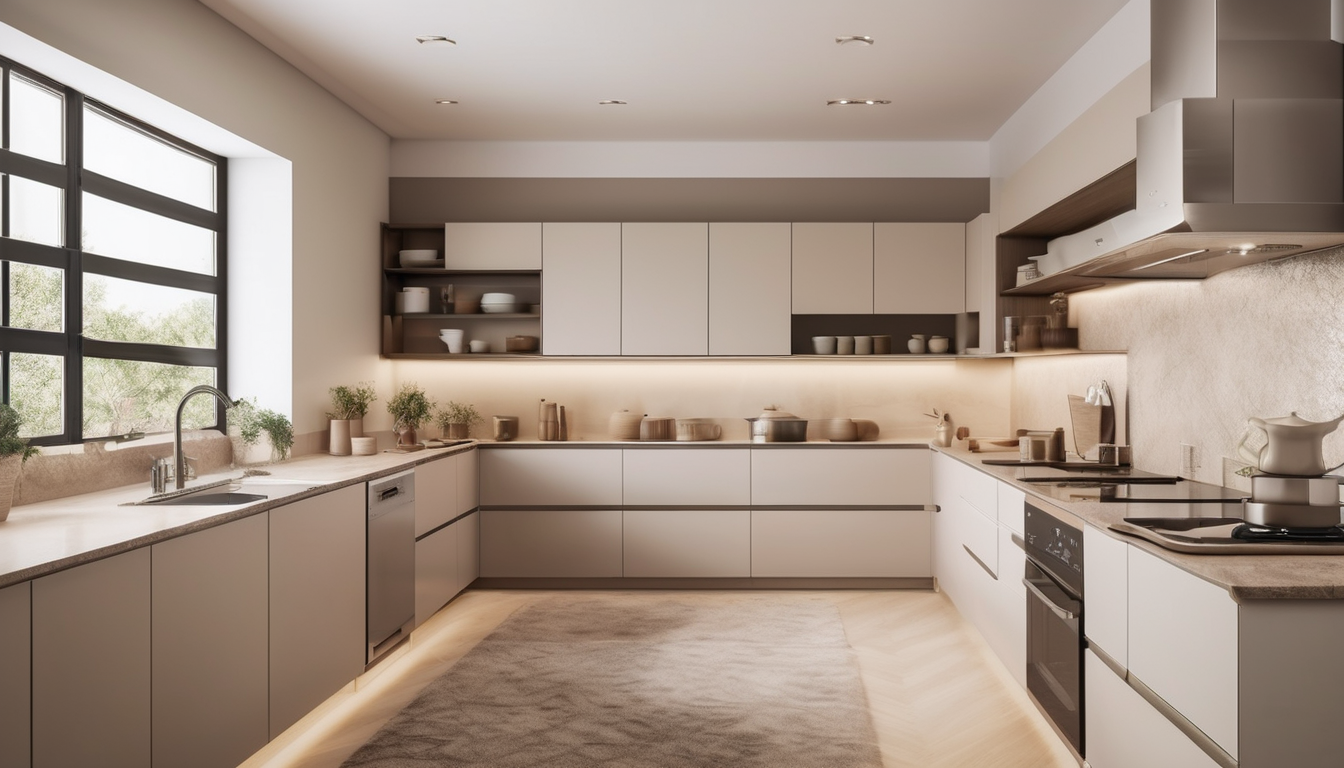

Cockroach Prevention in Dubai villa kitchens begins with understanding why these spaces become vulnerable. Dubai’s climate creates ideal conditions for German cockroaches, with warm temperatures year-round and humidity patterns that provide consistent moisture. Villa kitchens offer multiple food sources, water access points, and hidden harborage areas that can sustain significant infestations if not properly managed.
The most effective cockroach prevention in Dubai villa kitchens addresses three critical factors: food availability, water access, and entry points. German cockroaches, the most common species in Dubai kitchens, can survive on minute food particles and require very little water. Their flat bodies allow them to enter through gaps as small as 1.5 millimetres around pipes, cabinets, and electrical outlets.
Professional cockroach prevention in Dubai villa kitchens combines thorough inspection, structural modification, and targeted treatment protocols. This approach recognises that chemical treatments alone cannot solve the underlying conditions that attract and sustain cockroach populations. Sustainable prevention requires changing the environment to make it inhospitable to pests.
Cockroach Prevention in Dubai Villa Kitchens – Understanding Dubai’s Cockroach Species
Effective cockroach prevention in Dubai villa kitchens requires knowledge of local species behaviour. German cockroaches dominate indoor environments throughout Dubai, particularly in kitchen areas where food and moisture are readily available. These small, light brown insects reproduce rapidly, with each egg case containing 30-40 eggs and generation cycles completing in just 60-90 days under ideal conditions.
American cockroaches occasionally enter villa kitchens from surrounding landscapes or drainage systems, though they prefer outdoor environments. These larger insects typically enter through gaps around plumbing penetrations or under doors. Their presence often indicates exterior moisture issues or structural gaps that require attention.
Cockroach Prevention in Dubai Villa Kitchens: Key Entry Points in Villa Kitchens
Thorough cockroach prevention in Dubai villa kitchens begins with identifying and sealing all potential entry points. German cockroaches typically enter through gaps around plumbing pipes, electrical conduits, and ventilation systems. Even small cracks between cabinets and walls provide sufficient space for cockroaches to establish harborage areas.
Common entry points include gaps around sink plumbing, spaces behind appliances, cracks in tile grouting, and openings around electrical outlets. Cockroaches also travel between units in multi-villa developments through shared wall voids and utility channels. Professional inspection identifies these vulnerabilities before they become infestation pathways.
Plumbing and Pipe Penetrations
Plumbing penetrations through walls and cabinets represent critical vulnerabilities in cockroach prevention in Dubai villa kitchens. Gaps around water supply lines, drain pipes, and garbage disposal connections provide ideal entry routes. These openings should be sealed with appropriate materials that withstand Dubai’s temperature fluctuations and humidity levels.
Cockroach Prevention in Dubai Villa Kitchens – Sanitation Protocols for Prevention
Comprehensive cockroach prevention in Dubai villa kitchens requires meticulous sanitation practices. German cockroaches can survive on minute food residues, including grease films on surfaces, crumbs in toasters, and food particles in appliance crevices. Daily cleaning routines must address all potential food sources, including pet food bowls and recycling containers.
Professional sanitation protocols focus on eliminating food, water, and shelter opportunities. This includes immediate cleanup of food spills, proper food storage in sealed containers, and regular deep cleaning of appliances and cabinets. Waste management practices significantly impact cockroach prevention in Dubai villa kitchens, with sealed trash containers and frequent disposal being essential.
Moisture control Strategies
Moisture management forms a critical component of cockroach prevention in Dubai villa kitchens. German cockroaches require water access and thrive in environments with relative humidity above 50%. Dubai’s climate, combined with air conditioning systems that create condensation, often creates ideal moisture conditions in kitchen areas.
Effective moisture control includes repairing leaky faucets, ensuring proper drainage, addressing condensation issues, and maintaining adequate ventilation. Dehumidifiers may be necessary in particularly humid kitchen environments. Cockroach prevention in Dubai villa kitchens requires regular inspection of under-sink areas, behind appliances, and around ice makers for moisture accumulation.
Structural Modifications for Exclusion
Physical exclusion represents the most permanent aspect of cockroach prevention in Dubai villa kitchens. Structural modifications focus on sealing all gaps, cracks, and openings that cockroaches use for entry and harborage. This includes installing door sweeps, sealing pipe penetrations with appropriate materials, and ensuring window screens remain intact.
Cabinet modifications might include installing tight-fitting doors, sealing gaps between cabinets and walls, and ensuring kick plates provide complete coverage. Professional cockroach prevention in Dubai villa kitchens often involves caulking cracks in tiles, repairing damaged grout, and ensuring all structural elements meet pest exclusion standards.
Monitoring and Early Detection
Regular monitoring forms the foundation of sustainable cockroach prevention in Dubai villa kitchens. Professional pest management companies install monitoring stations in strategic locations to detect early cockroach activity before populations establish. These devices use food attractants to lure cockroaches onto adhesive surfaces, providing visible evidence of infestation.
Homeowners should regularly inspect under sinks, behind appliances, inside cabinets, and around plumbing fixtures for signs of cockroach activity. Evidence includes live or dead insects, egg cases, fecal spotting, and shed skins. Early detection enables targeted intervention before infestations require extensive treatment protocols.
Professional Prevention Programs
Comprehensive cockroach prevention in Dubai villa kitchens often requires professional intervention. Pest management companies offer structured prevention programs that include regular inspections, monitoring, exclusion services, and targeted treatments when necessary. These programs typically follow integrated pest management principles, prioritising non-chemical methods before considering pesticide applications.
Professional services provide documentation of prevention efforts, which can be valuable for property records and compliance purposes. Many Dubai villa communities require professional pest management contracts as part of community standards. These programs represent the most effective approach to cockroach prevention in Dubai villa kitchens, particularly in high-risk environments.
Expert Cockroach Prevention Tips
Implement these practical strategies for enhanced cockroach prevention in Dubai villa kitchens. Store all food products in airtight containers, including dry goods, pet food, and baking supplies. Immediately clean food spills and crumbs, paying particular attention to toasters, microwaves, and under appliances. Fix leaky faucets and ensure proper drainage to eliminate water sources. Seal all gaps around pipes, cables, and conduits entering the kitchen. Install door sweeps and ensure windows close tightly. Regularly empty and clean trash containers, using liners and tight-fitting lids. Conduct monthly deep cleaning of appliances and cabinets. Maintain proper ventilation to reduce humidity levels. Schedule professional inspections quarterly to identify potential vulnerabilities before they become problems.
Frequently Asked Questions
How often should professional cockroach prevention be performed in Dubai villas?
Professional cockroach prevention in Dubai villa kitchens should occur quarterly for optimal protection. The warm climate allows continuous breeding cycles, requiring regular monitoring and maintenance. Between professional visits, homeowners should maintain sanitation and exclusion practices to support prevention efforts.
What attracts cockroaches to Dubai villa kitchens specifically?
Cockroaches seek Dubai villa kitchens for consistent food sources, water availability, and shelter opportunities. The combination of food preparation areas, plumbing fixtures, and cabinet spaces creates ideal conditions. Air conditioning systems often create humidity patterns that further attract moisture-seeking pests.
Can cockroaches survive Dubai’s summer heat?
German cockroaches thrive in Dubai’s summer temperatures when located indoors with air conditioning. They prefer temperatures between 25-32°C, making villa kitchens ideal environments. Their ability to hide in cool, moist areas protects them from extreme outdoor conditions.
Are DIY cockroach prevention methods effective in Dubai villas?
DIY methods provide limited effectiveness for cockroach prevention in Dubai villa kitchens. Professional services offer comprehensive inspection, exclusion, and monitoring that DIY approaches cannot match. The complexity of villa construction and cockroach biology requires expert knowledge for complete prevention.
How quickly can cockroach infestations develop in Dubai kitchens?
German cockroach populations can explode within weeks under ideal conditions. Each egg case produces 30-40 nymphs, with generation cycles completing in 60-90 days. Early detection and rapid intervention prevent exponential population growth in villa kitchens.
Cockroach prevention in Dubai villa kitchens requires understanding local conditions, species biology, and structural vulnerabilities. Sustainable prevention combines exclusion, sanitation, moisture control, and professional monitoring. This multi-faceted approach addresses the root causes rather than merely treating symptoms, creating kitchens that remain pest-free through environmental management rather than chemical dependence.