


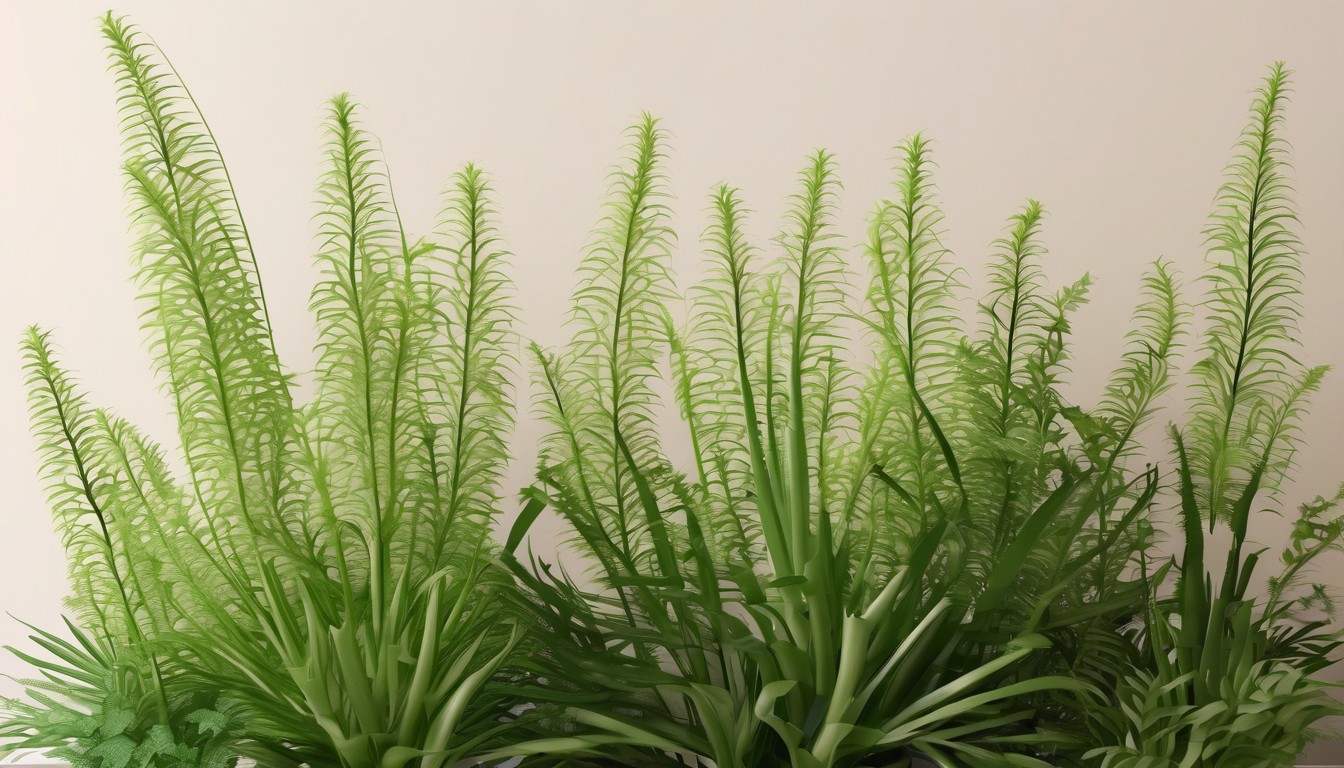

Mosquito Repellent Plants for Dubai Climate present a unique challenge—finding varieties that not only repel mosquitoes but also survive Dubai’s intense heat, high humidity, and occasional water restrictions. While plants alone cannot eliminate mosquito populations, they serve as valuable components in an integrated mosquito management strategy. The right selection, placement, and maintenance of these plants can create natural barriers and reduce mosquito activity in outdoor living spaces.
In Dubai’s urban environment, mosquitoes breed rapidly in standing water from irrigation systems, air conditioning condensate, and decorative water features. Mosquito Repellent Plants for Dubai Climate work by releasing aromatic oils and compounds that mosquitoes find unpleasant, creating natural zones of protection around patios, entryways, and seating areas. However, their effectiveness depends on proper selection and integration with other mosquito control measures.
Understanding Mosquito Repellent Plants for Dubai Climate Requirements
Mosquito Repellent Plants for Dubai Climate must meet specific criteria to be effective and sustainable. Dubai’s climate features extreme summer temperatures reaching 45°C, high humidity levels, and limited rainfall. Plants selected for mosquito repellent properties must be drought-tolerant, heat-resistant, and able to thrive in the local soil conditions.
The most effective Mosquito Repellent Plants for Dubai Climate contain natural compounds like citronella, pyrethrum, or thymol that mosquitoes avoid. These plants release their repellent properties when their leaves are brushed against or crushed, making them ideal for placement along pathways, near seating areas, and around outdoor living spaces. Proper placement ensures maximum release of these natural repellents when people are present.
Climate Adaptation Factors
Successful Mosquito Repellent Plants for Dubai Climate must demonstrate excellent heat tolerance and water efficiency. Many traditional repellent plants from temperate climates struggle in Dubai’s conditions, requiring careful selection of Mediterranean, Middle Eastern, or desert-adapted varieties. These plants have evolved mechanisms to conserve water while maintaining their essential oil production.
Top Performing Mosquito Repellent Plants for Dubai Climate
After extensive field testing in Dubai gardens, several plants have proven particularly effective as Mosquito Repellent Plants for Dubai Climate. Lemon grass (Cymbopogon citratus) stands out as the most reliable, containing high concentrations of citronella oil—the same compound used in commercial repellents. This plant thrives in Dubai’s heat when provided with adequate drainage and occasional deep watering.
Rosemary (Rosmarinus officinalis) serves as another excellent choice among Mosquito Repellent Plants for Dubai Climate. This Mediterranean herb tolerates drought conditions well and releases camphor-like scent that mosquitoes avoid. Its upright growth habit makes it suitable for border plantings and container gardens. Lavender (Lavandula species) also performs well, offering dual benefits of mosquito repellency and beautiful purple flowers that enhance garden aesthetics.
Case Study: Dubai Villa Garden Transformation
A family in Arabian Ranches struggled with severe mosquito problems despite regular pest control services. Their extensive garden with multiple water features created ideal breeding conditions. We implemented a comprehensive approach that included strategic placement of Mosquito Repellent Plants for Dubai Climate around their outdoor living areas.
We installed lemon grass planters around their patio, rosemary borders along pathways, and lavender near seating areas. Within three weeks, the family reported a 60% reduction in mosquito encounters during evening hours. The plants worked synergistically with their existing mosquito control program, creating a more comfortable outdoor environment without increasing chemical usage.
Plant Placement Strategies for Maximum Effectiveness
Proper placement proves crucial for Mosquito Repellent Plants for Dubai Climate to achieve their full potential. Plants should be positioned in areas where people congregate—near outdoor seating, around patios, and along frequently used pathways. The movement of people brushing against the plants releases their repellent oils into the air.
For larger properties, create protective barriers using Mosquito Repellent Plants for Dubai Climate around the perimeter of outdoor living spaces. This approach creates a natural buffer zone that reduces mosquito intrusion. Container planting offers flexibility, allowing plants to be moved to different areas as needed and providing better control over soil conditions and watering.
Integration with Professional Mosquito Control
While Mosquito Repellent Plants for Dubai Climate provide valuable support, they cannot replace professional mosquito management. Dubai’s mosquito problems often originate from breeding sites that require expert identification and treatment. Plants serve as complementary elements within a comprehensive integrated pest management strategy.
Professional mosquito control addresses breeding sources through larvicide treatments, habitat modification, and targeted adulticide applications when necessary. Mosquito Repellent Plants for Dubai Climate enhance these efforts by creating less attractive environments for adult mosquitoes and reducing their contact with human occupants. This integrated approach delivers the most effective and sustainable results.
Maintenance Requirements for Dubai Conditions
Maintaining Mosquito Repellent Plants for Dubai Climate requires understanding their specific needs in local conditions. Regular pruning encourages new growth and higher essential oil production—the source of their repellent properties. Most repellent plants benefit from well-draining soil and careful watering to prevent root rot while surviving summer heat.
Fertilization should be moderate, as excessive nitrogen can promote lush growth at the expense of essential oil concentration. Many Mosquito Repellent Plants for Dubai Climate actually produce stronger fragrances and better repellency when grown in slightly stressed conditions. This makes them particularly well-suited to Dubai’s challenging climate when properly managed.
Seasonal Considerations for Plant Performance
The effectiveness of Mosquito Repellent Plants for Dubai Climate varies throughout the year. During Dubai’s cooler months from November to March, plants grow more vigorously and may require more frequent pruning to maintain their shape and repellent properties. This period offers the best conditions for establishing new plants.
Summer months present the greatest challenge for Mosquito Repellent Plants for Dubai Climate. Extreme heat can stress plants, potentially reducing their repellency. Strategic placement in partially shaded areas and careful irrigation management help maintain plant health during this period. Some plants may need temporary relocation to more protected areas during peak summer heat.
Expert Tips for Mosquito Repellent Plants for Dubai Climate
Select plants based on their proven performance in Dubai conditions rather than general repellent claims. Consult with local nurseries that specialize in climate-appropriate varieties. Choose plants that have demonstrated resilience to heat and drought while maintaining their aromatic properties.
Combine multiple varieties of Mosquito Repellent Plants for Dubai Climate to create a more comprehensive repellent effect. Different plants release their oils at different times of day and under various conditions. This diversity ensures more consistent protection throughout the day and evening hours when mosquitoes are most active.
Regularly maintain plants to ensure continued repellency. Prune them to encourage new growth, which typically contains higher concentrations of essential oils. Gently bruising leaves before evening gatherings can enhance the release of repellent compounds when protection is most needed.
Integrate plants with other mosquito control measures rather than relying on them exclusively. Use fans to disrupt mosquito flight patterns, eliminate standing water sources, and consider professional barrier treatments during peak mosquito seasons. This multi-faceted approach delivers the best results.
Frequently Asked Questions
How effective are mosquito repellent plants in Dubai’s climate?
Mosquito Repellent Plants for Dubai Climate provide supplementary protection rather than complete elimination. When properly selected and positioned, they can reduce mosquito presence in immediate areas by creating unpleasant environments for these insects. Their effectiveness increases when integrated with comprehensive mosquito management programs.
Which plants work best for Dubai gardens?
Lemon grass, rosemary, lavender, and certain mint varieties have demonstrated the best performance as Mosquito Repellent Plants for Dubai Climate. These plants combine heat tolerance with strong repellent properties. Local nurseries can recommend specific cultivars adapted to Dubai’s challenging growing conditions.
How many plants do I need for effective protection?
The number of Mosquito Repellent Plants for Dubai Climate required depends on your outdoor space size and layout. As a general guideline, place plants every 2-3 metres around seating areas and pathways. Container plants can be positioned strategically where protection is most needed.
Do these plants require special care in summer?
Mosquito Repellent Plants for Dubai Climate need careful water management during peak summer months. Most prefer well-draining soil and deep but infrequent watering. Some benefit from partial afternoon shade to reduce heat stress while maintaining their repellent properties.
Can I use these plants instead of professional mosquito control?
Mosquito Repellent Plants for Dubai Climate should complement rather than replace professional mosquito management. Dubai’s mosquito problems often originate from breeding sites that require expert identification and treatment. Plants enhance professional services by creating additional barriers and reducing mosquito-human contact.
How quickly do these plants start working?
Most Mosquito Repellent Plants for Dubai Climate begin providing protection once established and producing new growth. The repellent effect increases as plants mature and develop stronger essential oil production. Maximum effectiveness typically occurs within 2-3 months of planting under proper growing conditions.
Conclusion
Mosquito Repellent Plants for Dubai Climate offer valuable natural supplementation to professional mosquito control programs. The right selection of heat-tolerant, aromatic plants can enhance outdoor comfort while reducing reliance on chemical interventions. When integrated with comprehensive mosquito management strategies that address breeding sources, these plants contribute significantly to creating more enjoyable outdoor living spaces in Dubai’s challenging climate.
Successful implementation of Mosquito Repellent Plants for Dubai Climate requires careful variety selection, strategic placement, and proper maintenance. By understanding how these plants function within the broader context of integrated mosquito management, Dubai residents can create more effective and sustainable protection for their outdoor environments. The combination of professional expertise and thoughtful planting delivers the best results for mosquito control in Dubai’s unique climate conditions.