


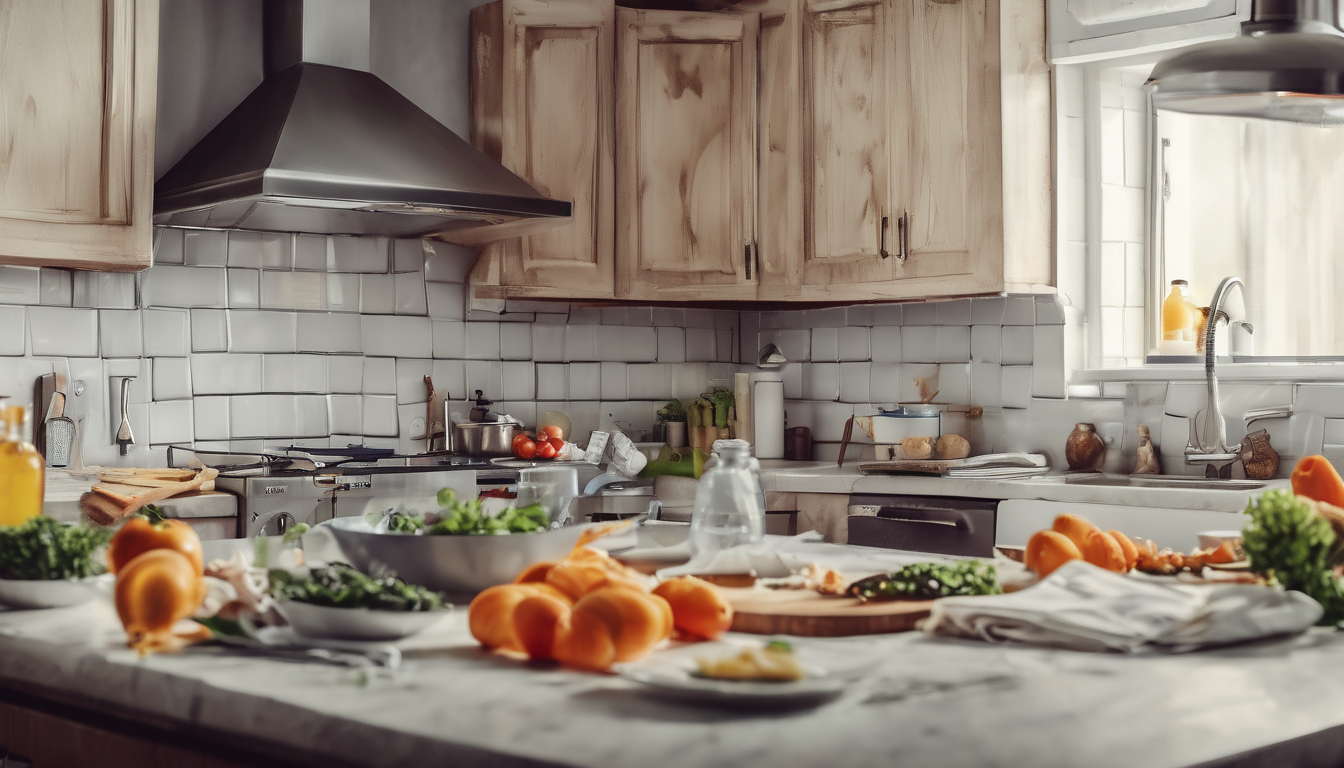

Safe food handling after kitchen pest control refers to the systematic protocols and procedures implemented to ensure food safety and prevent pesticide contamination following professional pest treatment in kitchen environments. This comprehensive approach addresses the critical period after pesticide application when residues may be present on surfaces, equipment, and food storage areas. In Dubai’s climate-controlled kitchens, where air conditioning circulates air throughout the space, proper food handling becomes even more crucial to protect household members from potential chemical exposure.
As a pest control engineer with extensive experience in Dubai’s residential and commercial kitchens, I’ve witnessed how improper food handling after treatment can lead to unnecessary health risks and compromised food safety. The unique combination of Dubai’s climate, modern kitchen designs, and frequent pest pressures requires specific attention to post-treatment protocols. This guide will provide detailed, practical information about safe food handling after kitchen pest control that aligns with Dubai Municipality regulations and international food safety standards.
Understanding Safe Food Handling After Kitchen Pest Control
Safe food handling after kitchen pest control begins with understanding the types of treatments used and their potential impact on food preparation areas. Professional pest control companies in Dubai typically use either residual sprays, baits, dusts, or non-chemical methods like heat treatment for bed bugs. Each method requires different handling protocols for food safety. Residual sprays, commonly used for cockroaches and ants, leave active ingredients on surfaces that can transfer to food if not properly managed.
The fundamental principle of safe food handling after kitchen pest control involves creating barriers between treated surfaces and food items. This includes covering food preparation surfaces, sealing food containers, and implementing thorough cleaning routines. Proper safe food handling after kitchen pest control also requires understanding the re-entry period specified by your pest control technician, which varies based on the products used and the severity of the infestation.
Key Components of Food Safety Protocols
Effective safe food handling after kitchen pest control involves multiple components working together. These include proper ventilation to dissipate chemical residues, systematic cleaning of all food contact surfaces, and verification that no pesticides have contaminated food storage areas. In Dubai’s high-temperature environment, where kitchens often have extensive cabinetry and hidden spaces, thorough inspection becomes particularly important to ensure no treatment residues remain in areas that could contact food.
Safe Food Handling After Kitchen Pest Control – Dubai-Specific Considerations for Post-Treatment Food Safety
Dubai’s unique environmental conditions significantly influence safe food handling after kitchen pest control protocols. The extreme outdoor temperatures mean most residents keep windows closed and rely entirely on air conditioning, which affects how pesticide residues dissipate after treatment. The recirculated air in modern Dubai apartments and villas requires extended ventilation periods compared to properties in temperate climates with natural airflow.
Another Dubai-specific factor affecting safe food handling after kitchen pest control is the prevalence of open-plan kitchen designs in many modern developments. These layouts mean treatment areas often connect directly to living spaces, requiring more comprehensive coverage and stricter food safety measures. Additionally, Dubai’s multicultural population means kitchens may contain diverse food types and preparation methods, each requiring specific handling considerations after pest control treatment.
Regulatory Compliance in the UAE
Safe food handling after kitchen pest control in Dubai must comply with UAE federal laws and Dubai Municipality regulations governing pesticide use in residential settings. These regulations specify approved chemicals, application methods, and safety standards that professional pest control companies must follow. As a homeowner, understanding these regulations helps you verify that your pest control provider follows proper protocols that prioritize food safety throughout the treatment process.
Safe Food Handling After Kitchen Pest Control – Immediate Steps After Kitchen Pest Control Treatment
The first hours after treatment are critical for safe food handling after kitchen pest control. Begin by verifying with your technician the specific waiting period before re-entering the kitchen space. This typically ranges from 2-4 hours for most residual sprays to 24 hours for more extensive treatments. During this period, keep the kitchen completely closed off and ensure proper ventilation by running exhaust fans or air conditioning systems as recommended.
Once the re-entry period has passed, your first action for safe food handling after kitchen pest control should be a visual inspection of all surfaces. Look for any visible residue, powder, or moisture from the treatment. Pay particular attention to countertops, cabinet interiors, appliance surfaces, and flooring. Document any concerns with photographs and contact your pest control provider immediately if you notice any treatment materials in areas that should have been protected or covered.
Initial Ventilation and Air Quality Management
Proper ventilation forms the foundation of safe food handling after kitchen pest control in Dubai’s sealed indoor environments. Open windows if possible (considering outdoor temperatures and humidity) and run kitchen exhaust fans for at least 30-60 minutes before beginning any cleaning. Use portable fans to improve air circulation throughout the space, paying special attention to corners and enclosed areas where chemical odors might linger.
Comprehensive Cleaning Protocol for Safe Food Handling
Developing a systematic cleaning protocol is essential for safe food handling after kitchen pest control. Begin with all food contact surfaces including countertops, cutting boards, and preparation areas. Use a mild detergent and warm water solution, thoroughly scrubbing each surface to remove any potential residues. For stainless steel surfaces, follow with a proper stainless steel cleaner to restore the surface and ensure no cleaning residue remains.
Cabinet interiors require particular attention in your safe food handling after kitchen pest control routine. Remove all items from cabinets and drawers, then wash the interior surfaces with appropriate cleaning solutions. Pay special attention to corners, seams, and hardware where treatment materials might accumulate. Allow cabinets to air dry completely before returning items to prevent moisture buildup that could compromise both food safety and cabinet integrity.
Appliance Cleaning and Safety Verification
Safe food handling after kitchen pest control must include thorough cleaning of all kitchen appliances. Exterior surfaces of refrigerators, ovens, microwaves, and small appliances should be cleaned with appropriate cleaners. For appliances with ventilation grills or openings, use compressed air or a soft brush to remove any potential dust or particles that might have settled during treatment. Always verify that no treatment materials entered appliance interiors where food is stored or prepared.
Food Storage and Handling Precautionary Measures
Proper food storage represents a critical component of safe food handling after kitchen pest control. Before treatment, all food items should have been properly sealed or removed from the kitchen. After treatment, carefully inspect food packaging for any signs of contamination before returning items to cabinets or pantry spaces. Discard any food items that were left uncovered during treatment or show evidence of pesticide contact.
For items stored in permeable packaging such as cardboard, paper, or thin plastic, consider transferring contents to airtight containers as part of your safe food handling after kitchen pest control protocol. This provides an additional barrier against any residual chemicals that might be present in the storage environment. Glass containers with tight-sealing lids offer the best protection for dry goods, spices, and other pantry items.
Fresh Food Safety Considerations
Fresh fruits and vegetables require special attention in your safe food handling after kitchen pest control routine. Any produce left in the kitchen during treatment should be thoroughly washed and peeled if appropriate. For items with porous surfaces or difficult-to-clean areas, consider discarding them rather than risking contamination. When in doubt about the safety of any food item, follow the fundamental rule of food safety: when in doubt, throw it out.
Monitoring and Maintaining Long-Term Food Safety
Safe food handling after kitchen pest control extends beyond the immediate post-treatment period. Implement ongoing monitoring to ensure no delayed issues arise. Regularly inspect food storage areas for any unusual odors, discoloration, or signs of pest activity that might indicate treatment residues or new infestations. Maintain detailed records of your pest control treatments, including dates, products used, and any specific food safety precautions recommended.
Establish routine cleaning schedules that reinforce safe food handling after kitchen pest control principles. This includes regular deep cleaning of cabinets and pantry areas, inspection of food storage containers for integrity, and verification that all food contact surfaces remain free from contamination. In Dubai’s climate, where pest pressures remain consistent year-round, maintaining these protocols becomes an ongoing responsibility rather than a one-time activity.
Documentation and Communication Protocols
Maintaining proper documentation supports effective safe food handling after kitchen pest control. Keep records of all pest control treatments, including safety data sheets for products used, application dates, and specific instructions provided by your technician. This documentation becomes particularly important for commercial kitchens subject to Dubai Municipality health inspections, but also provides valuable reference for residential clients managing ongoing pest prevention programs.
Expert Tips for Safe Food Handling After Treatment
Based on my experience with thousands of kitchen treatments across Dubai, here are essential tips for safe food handling after kitchen pest control:
- Always request and review the Material Safety Data Sheets (MSDS) for any pesticides used in your kitchen—this document provides specific handling instructions and safety information
- Establish clear communication with your pest control technician about food safety concerns before treatment begins—discuss covering requirements, ventilation needs, and re-entry timelines
- Invest in quality airtight food storage containers before treatment—this prevents the need to discard improperly stored food items after treatment
- Schedule pest control treatments when you can properly manage the post-treatment process—avoid treatments before large cooking events or during busy meal preparation times
- Develop a checklist for post-treatment inspection and cleaning—this ensures you don’t miss critical areas that require attention
- Consider using non-chemical treatment options for kitchens when possible—heat treatments for bed bugs or bait systems for cockroaches reduce chemical exposure concerns
- Maintain relationships with reputable pest control companies that prioritize food safety—ask about their technician training specific to kitchen treatments
- Implement preventive measures to reduce future infestations—proper food storage, regular cleaning, and exclusion methods minimize need for chemical treatments
Frequently Asked Questions About Food Safety
How long should I wait to use my kitchen after pest control treatment?
The waiting period varies based on the specific products used, but most treatments require 2-4 hours before re-entry. Your technician should provide specific timing based on the chemicals applied and your kitchen’s ventilation system. Always follow their recommended timeline for safe food handling after kitchen pest control.
What kitchen items should be thrown away after pest control?
Any food items left uncovered during treatment, products in permeable packaging that show signs of contamination, and utensils or cookware that directly contacted pesticide applications should be discarded. When in doubt about an item’s safety, replacement is the safest option for proper safe food handling after kitchen pest control.
Can pest control treatment make my family sick if not handled properly?
When professional pest control treatments are conducted according to label instructions and proper safe food handling after kitchen pest control protocols are followed, the risk of illness is minimal. However, improper handling or failure to follow post-treatment guidelines can potentially lead to chemical exposure through contaminated food or surfaces.
How often should I have my kitchen treated for pests in Dubai?
The frequency depends on your specific pest pressures, but most Dubai homes benefit from quarterly preventive treatments. Between professional services, maintain strict food storage and cleaning practices to minimize pest attraction. Always discuss treatment frequency with your pest control provider based on your home’s specific needs.
Safe food handling after kitchen pest control requires careful attention to detail, proper cleaning protocols, and adherence to safety guidelines provided by your pest control professional. By implementing these comprehensive measures, Dubai homeowners can effectively manage pest problems while maintaining the highest standards of food safety for their families. Remember that prevention remains the most effective strategy—through proper food storage, regular cleaning, and exclusion methods, you can minimize the need for chemical treatments and the associated food safety concerns.