


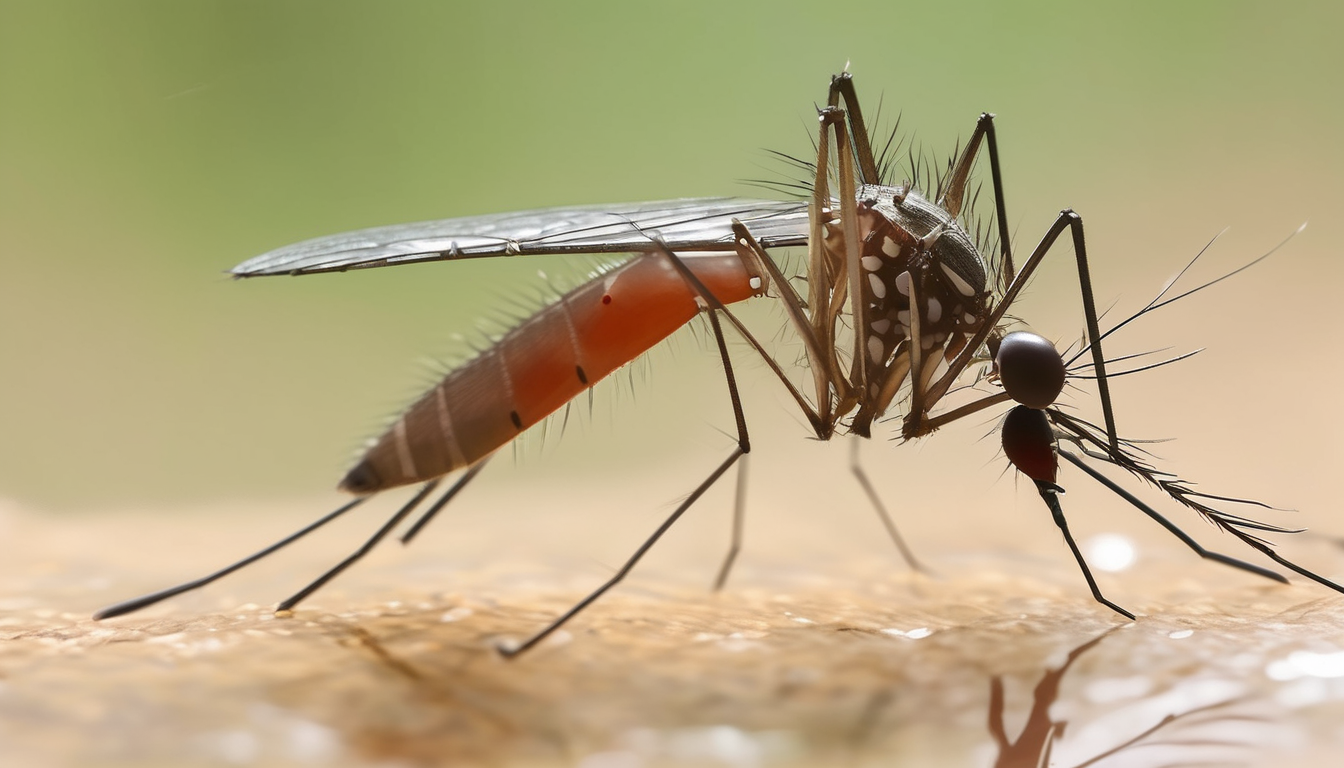

Mosquito breeding source identification guide begins with understanding that mosquitoes require standing water to complete their life cycle. In Dubai’s climate, where air conditioning systems create condensation and irrigation systems maintain lush landscapes, properties often contain multiple hidden water sources that can support mosquito development. Professional pest control specialists follow systematic inspection protocols to locate these breeding sites, which typically hold water for more than seven days – the time needed for mosquito eggs to develop into flying adults.
Effective Mosquito Breeding Source identification guide implementation requires examining both interior and exterior environments. Mosquitoes can breed in containers as small as a bottle cap holding just a few millilitres of water, making thorough inspection essential. The most productive breeding sites are often overlooked by homeowners, including drainage systems, plant saucers, and construction debris that collects rainwater. By mastering mosquito breeding source identification guide techniques, Dubai residents can significantly reduce mosquito populations around their properties.
Understanding Mosquito Biology and Breeding Requirements
Proper mosquito breeding source identification guide implementation requires knowledge of mosquito development stages. Female mosquitoes lay eggs on or near standing water, which hatch into larvae within 24-48 hours. These larvae develop through four instar stages while feeding on organic matter in the water, then transform into pupae before emerging as adult mosquitoes. The entire process from egg to adult takes approximately 7-14 days depending on temperature and species.
Different mosquito species prefer different types of breeding habitats. Some species favour clean water found in containers, while others thrive in polluted water or natural ground pools. Understanding these preferences helps target inspection efforts during mosquito breeding source identification guide implementation. In Dubai, the most common mosquito species include Aedes, Culex, and Anopheles mosquitoes, each with slightly different breeding preferences but all requiring standing water for reproduction.
Mosquito Life Cycle Timeline
The mosquito life cycle progresses through four distinct stages, each requiring specific environmental conditions. Eggs typically hatch within two days when submerged in water. Larval development takes approximately 5-7 days, during which the larvae molt four times while feeding on microorganisms. The pupal stage lasts 2-3 days before adults emerge. Temperature significantly influences development speed, with warmer conditions accelerating the process.
Interior Mosquito Breeding Source Identification Guide
Interior mosquito breeding source identification guide focuses on areas where water accumulates inside buildings. Air conditioning systems represent a significant concern in Dubai properties, as drainage pans and condensation lines can create ideal breeding conditions if not properly maintained. Bathrooms, utility rooms, and kitchen areas require careful inspection for leaking pipes, clogged drains, or overflow containers that might hold water.
Houseplants with saucers that collect water provide perfect mosquito breeding habitats, particularly when overwatered. Basements and storage areas may contain forgotten containers, old tires, or other items that can collect water. Even decorative items like vases or water features can support mosquito development if water remains stagnant for extended periods. Systematic interior mosquito breeding source identification guide examines every potential water-holding container throughout the property.
Exterior Mosquito Breeding Source Identification Guide Techniques
Exterior mosquito breeding source identification guide requires methodical inspection of the entire property perimeter. Landscaping features often create numerous breeding opportunities through irrigation systems, plant containers, and decorative elements. Swimming pools that aren’t properly maintained can become significant mosquito breeding sites, particularly when chlorine levels drop or covers collect rainwater.
Gutter systems frequently become clogged with debris, creating standing water that mosquitoes favour. Construction sites and renovation projects often leave materials that collect rainwater, while playground equipment and outdoor furniture may have hollow components that hold water. Even something as simple as a child’s toy left outdoors can become a mosquito breeding site after rainfall. Professional mosquito breeding source identification guide includes documenting all potential sites and prioritising them based on productivity.
Common Mosquito Breeding Sites in Dubai Properties
Dubai’s unique climate and architectural features create specific mosquito breeding challenges that require targeted identification. Rooftop water tanks and storage containers sometimes develop leaks or overflow, creating persistent water sources. Balcony drainage systems often become blocked with sand and debris, particularly after dust storms, creating ideal breeding conditions.
Landscaped gardens with automatic irrigation may develop low spots where water pools, while decorative fountains and water features require regular maintenance to prevent stagnation. Construction materials stored outdoors, including buckets, tarpaulins, and building materials, frequently collect rainwater. Even discarded packaging or containers left in outdoor storage areas can become productive breeding sites when they collect water.
Professional Mosquito Breeding Source Identification Guide Methods
Professional pest control specialists follow established protocols for mosquito breeding source identification guide that ensure comprehensive inspection. The process begins with property mapping to identify all potential water-holding containers and areas where water might accumulate. Technicians use specialised tools including moisture meters, inspection mirrors, and flashlights to examine difficult-to-access areas.
Systematic inspection covers the entire property in zones, ensuring no area is overlooked. Technicians document each potential breeding site, noting its location, type, and whether it contains water or mosquito larvae. This documentation creates a property-specific mosquito breeding source identification guide that forms the basis for targeted control measures. Professional inspections often locate breeding sites that homeowners miss, particularly in roof spaces, sub-floor areas, and drainage systems.
DIY Mosquito Breeding Source Identification Guide for Homeowners
Homeowners can implement basic mosquito breeding source identification guide techniques between professional inspections. Weekly walk-throughs of the property should examine all containers that might hold water, emptying them completely or storing them upside down. Gutters and drainage systems require regular cleaning to ensure proper water flow and prevent blockages that create standing water.
Landscaping should be designed to promote water drainage, with grading that directs water away from structures. Plant containers should have proper drainage holes, and saucers should be emptied regularly. Water features require pumps or treatments to prevent stagnation. Consistent implementation of these mosquito breeding source identification guide practices significantly reduces mosquito breeding opportunities on any property.
Documenting and Monitoring Breeding Sites
Effective mosquito breeding source identification guide includes documentation and ongoing monitoring of identified sites. Property owners should maintain a log of all potential breeding locations, noting when they were last inspected and any corrective actions taken. This documentation helps track patterns and identify persistent problems that may require structural modifications.
Regular monitoring ensures that previously identified sites don’t become productive again through neglect or changing conditions. Seasonal changes in Dubai bring different mosquito breeding challenges, with summer humidity increasing condensation issues and winter rains creating new standing water areas. Updated mosquito breeding source identification guide documentation helps property owners adapt their prevention strategies throughout the year.
Expert Mosquito Prevention Tips for Dubai Homes
Implement these professional mosquito breeding source identification guide tips to protect your Dubai property. First, conduct weekly inspections of all potential water-holding containers, paying particular attention to air conditioning drainage systems and plant saucers. Second, ensure proper grading around your property to prevent water accumulation near foundations. Third, maintain swimming pools and water features with appropriate circulation and treatment systems.
Fourth, install screens on windows and doors to prevent mosquito entry from outside. Fifth, use mosquito dunks or larvicides in areas where water cannot be eliminated, such as drainage systems or decorative ponds. Sixth, coordinate with neighbours on community mosquito control efforts, as mosquitoes can travel between properties. Seventh, schedule professional inspections quarterly to identify hidden breeding sites you might have missed.
Frequently Asked Questions
How often should I conduct mosquito breeding source identification guide inspections?
Weekly inspections are recommended for Dubai properties, particularly during warmer months when mosquito activity increases. More frequent inspections may be needed after rainfall or if you notice increased mosquito activity. Professional inspections should be conducted quarterly for comprehensive coverage.
What are the most overlooked mosquito breeding sites in Dubai homes?
Air conditioning drainage pans, clogged balcony drains, and overflow containers beneath plant pots are commonly overlooked. Construction materials stored outdoors, children’s toys, and even discarded packaging can become significant breeding sites when they collect rainwater.
Can mosquitoes breed in small amounts of water?
Yes, some mosquito species can complete their life cycle in as little as 5-10 millilitres of water – approximately a bottle cap full. This makes thorough inspection critical during mosquito breeding source identification guide implementation.
How long does water need to stand before mosquitoes can breed?
Mosquitoes require approximately 7-10 days of standing water to complete development from egg to adult. However, eggs can survive in dry conditions for months, hatching immediately when water becomes available again.
Should I worry about mosquito breeding during Dubai’s dry season?
Yes, artificial water sources from irrigation, air conditioning, and plumbing leaks provide year-round breeding opportunities. Mosquito breeding source identification guide remains important throughout the year in Dubai’s climate.
Mastering mosquito breeding source identification guide techniques provides Dubai homeowners with the knowledge needed to significantly reduce mosquito populations around their properties. By systematically identifying and eliminating standing water sources, you create an environment that doesn’t support mosquito development. Regular inspections combined with professional assessments offer the most comprehensive protection against these persistent pests, ensuring your outdoor spaces remain comfortable and enjoyable throughout the year.