


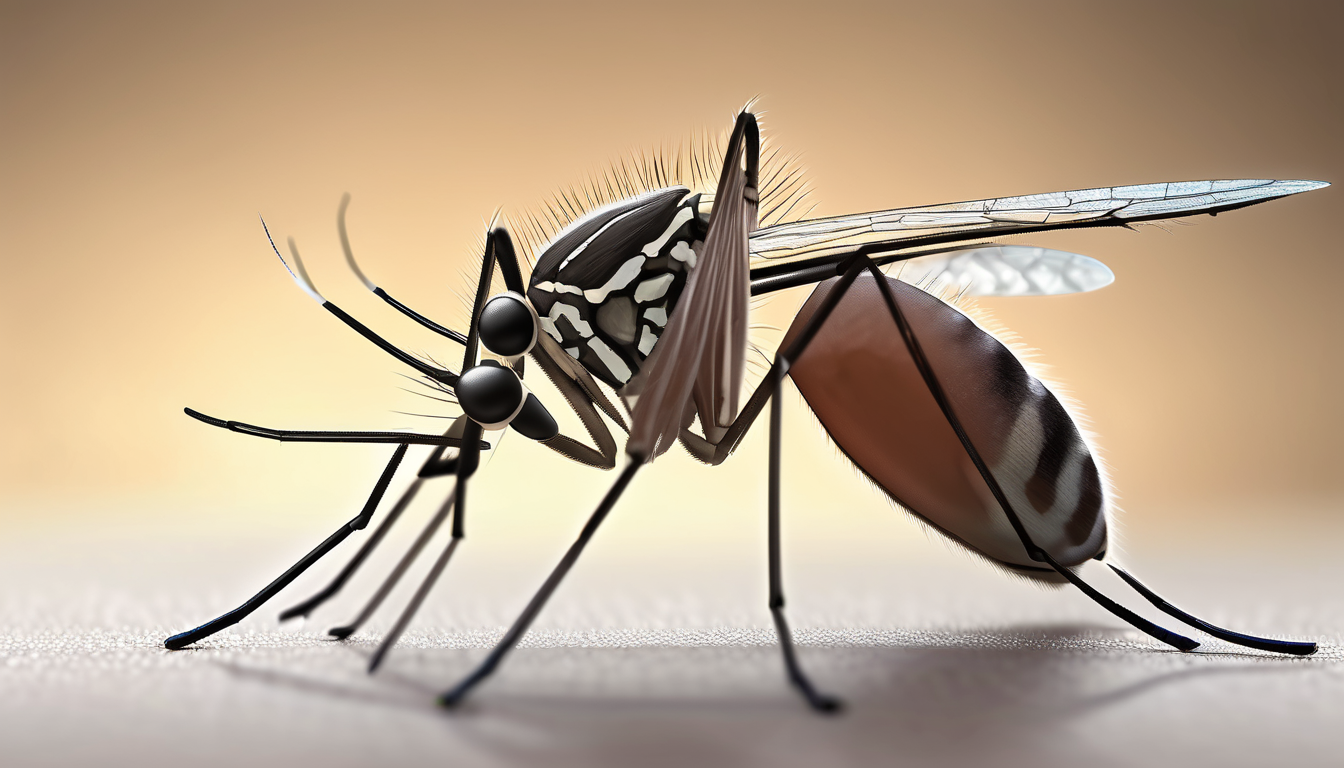

Professional mosquito fogging treatment process represents a targeted approach to mosquito management that combines immediate adult mosquito elimination with long-term breeding prevention. In Dubai’s climate, where high temperatures and humidity create ideal breeding conditions, this methodology requires specialised equipment, approved insecticides, and systematic application techniques that follow Dubai Municipality public health guidelines. The complete process transforms outdoor living spaces from mosquito-burdened to comfortably usable throughout Dubai’s extended outdoor season.
Understanding Professional Mosquito Fogging Treatment Process
The professional mosquito fogging treatment process begins with understanding mosquito biology and behaviour in Dubai’s unique environment. Mosquitoes in the UAE typically belong to species that breed in standing water and become most active during cooler evening hours. The treatment methodology addresses both adult mosquitoes and larval stages through a combination of thermal fogging, larviciding, and residual barrier treatments. This integrated approach ensures immediate reduction of biting adults while disrupting the breeding cycle to prevent population recovery.
Professional mosquito control technicians assess multiple factors before treatment, including property size, vegetation density, water features, and adjacent breeding sites. The treatment plan is customised based on mosquito species identification, as different species respond to specific active ingredients and application methods. Dubai’s urban environment requires particular attention to drainage systems, irrigation controls, and landscape features that may harbour mosquito breeding sites unnoticed by property owners.
Professional Mosquito Fogging Treatment Process – Initial Inspection and Assessment Phase
The professional mosquito fogging treatment process always commences with a thorough property inspection. Certified technicians examine the entire premises to identify active mosquito resting areas, potential breeding sites, and environmental factors contributing to mosquito presence. This assessment includes inspection of storm drains, flower pot saucers, air conditioning drip trays, ornamental water features, and any containers that might hold standing water for more than five days.
Technicians use mosquito traps and visual inspection to determine population density and species composition. This information guides product selection and application rates, as different mosquito species exhibit varying susceptibility to specific insecticide formulations. The inspection phase also identifies areas requiring source reduction or physical modifications to eliminate breeding habitats, which forms the foundation for long-term mosquito control success beyond chemical applications.
Breeding Site Identification
Professional technicians systematically inspect property perimeters, focusing on areas where water may accumulate unnoticed. Common breeding sites in Dubai villas include blocked roof gutters, children’s play equipment, plant pot bases, and construction debris. Commercial properties often face challenges with drainage systems, water features, and irrigation overspray that creates persistent moist areas ideal for mosquito breeding.
Professional Mosquito Fogging Treatment Process – Treatment Preparation and Safety Measures
Before commencing the professional mosquito fogging treatment process, technicians implement comprehensive safety protocols. These include notifying residents and neighbours about the scheduled treatment, securing pets and covering fish ponds, and ensuring all windows and doors remain closed during application. Technicians wear appropriate personal protective equipment including respirators, gloves, and protective clothing to ensure safe handling of application equipment and insecticides.
The preparation phase involves calibrating fogging equipment to deliver the correct droplet size and insecticide concentration. Different mosquito species require specific droplet spectra for optimal control—larger droplets for penetrating dense vegetation and smaller droplets for floating in air spaces where mosquitoes fly. Equipment calibration ensures the insecticide reaches target areas without excessive drift or environmental impact.
Thermal Fogging Application Techniques
The core of professional mosquito fogging treatment process involves thermal fogging, which converts insecticide solutions into dense fog that penetrates vegetation and outdoor structures where mosquitoes rest. Thermal foggers heat the insecticide mixture to create a fine vapour that condenses into fog particles upon contact with cooler air. This fog remains suspended in the air column, reaching mosquitoes in flight and resting in foliage.
Technicians apply fog in a systematic pattern, moving against wind direction to ensure maximum coverage and penetration. Treatment typically occurs during early morning or late afternoon when temperature inversions create optimal fog suspension conditions and mosquito activity peaks. The fogging application covers all potential mosquito harbourage areas including shrubbery, ground cover, perimeter fencing, and outdoor living spaces.
Residual Barrier Treatment Application
Complementing the fogging treatment, technicians apply residual insecticide barriers to vegetation, structures, and perimeter areas. These treatments create long-lasting protective zones that eliminate mosquitoes landing on treated surfaces for several weeks. The residual application focuses on mosquito resting sites and entry points to living areas, providing ongoing protection between fogging treatments.
Larviciding and Breeding Source Treatment
A critical component of professional mosquito fogging treatment process involves treating breeding sources with larvicides that prevent mosquito development. Technicians apply insect growth regulators or biological larvicides to standing water sites that cannot be eliminated through physical means. These treatments target mosquito larvae before they emerge as flying adults, breaking the reproductive cycle at its most vulnerable stage.
Larviciding applications use precise dosage calculations based on water volume and larval density. Treatment methods include granular applications for larger water bodies, briquet formulations for long-term control in drainage systems, and liquid applications for smaller containers. This approach significantly reduces the need for frequent adulticide treatments by addressing the problem at its source.
Post-Treatment Procedures and Follow-up
Following the professional mosquito fogging treatment process, technicians provide specific instructions regarding re-entry times and post-treatment precautions. Typically, residents should remain indoors for 30-60 minutes after fogging application to allow the insecticide to settle and dissipate to safe levels. Technicians also advise on cleaning procedures for outdoor furniture and play equipment that might have received incidental exposure.
The follow-up protocol includes scheduled monitoring visits to assess treatment effectiveness and identify any remaining breeding sources. Technicians place mosquito traps to measure population reduction and adjust treatment strategies if necessary. This monitoring ensures the treatment achieves its intended results and provides data for ongoing mosquito management planning.
Integrated Mosquito Management Approach
The complete professional mosquito fogging treatment process forms part of a broader integrated mosquito management strategy. This approach combines chemical treatments with environmental modifications, biological controls, and public education to achieve sustainable mosquito reduction. Techniques include installing mosquito traps, introducing larval-eating fish in ornamental ponds, improving drainage systems, and advising property owners on landscape modifications that reduce mosquito harbourage.
Integrated management emphasises prevention through regular inspection and maintenance rather than relying solely on chemical interventions. This approach aligns with Dubai Municipality guidelines for sustainable pest management and reduces environmental impact while maintaining effective mosquito control. Property-specific factors such as adjacent undeveloped land, water features, and irrigation practices all influence the integrated management strategy.
Dubai-Specific Considerations for Mosquito Control
The professional mosquito fogging treatment process in Dubai must account for unique regional factors including high temperatures, humidity patterns, and urban development characteristics. Dubai’s construction boom often creates temporary water accumulation sites that become significant mosquito breeding grounds. The treatment methodology addresses these challenges through increased inspection frequency and coordination with property developers during construction phases.
Treatment schedules in Dubai consider seasonal variations in mosquito activity, with increased frequency during humid summer months and reduced frequency during drier winter periods. The selection of insecticides and application rates follows Dubai Municipality approved products list and application guidelines to ensure public safety and environmental protection while achieving effective mosquito control.
Expert Tips for Enhanced Mosquito Control
Property owners can enhance the effectiveness of professional mosquito fogging treatment process through several practical measures. Eliminate standing water sources by regularly emptying containers, cleaning gutters, and ensuring proper drainage around the property. Install fine mesh screens on windows and doors to prevent mosquito entry into living spaces, particularly during evening hours when mosquitoes are most active.
Consider landscape modifications that reduce mosquito harbourage, such as thinning dense vegetation near living areas and creating dry zones between landscaping and structures. Use oscillating fans on patios and outdoor seating areas, as mosquitoes avoid moving air. Coordinate with neighbours for simultaneous treatment, as mosquitoes easily move between adjacent properties, reducing the effectiveness of individual treatments.
Frequently Asked Questions
How often should professional mosquito fogging be done in Dubai?
Treatment frequency depends on mosquito pressure, property characteristics, and seasonal factors. Most Dubai properties benefit from monthly treatments during peak season (April-October) and bi-monthly treatments during cooler months. High-risk properties with water features or dense vegetation may require more frequent applications.
Is mosquito fogging safe for children and pets?
When performed by licensed professionals using approved insecticides, mosquito fogging poses minimal risk to humans and pets. Technicians follow strict application guidelines and provide specific re-entry instructions. Always choose Dubai Municipality approved pest control companies with certified applicators.
What preparation is needed before mosquito fogging treatment?
Close all windows and doors, cover outdoor furniture and play equipment if desired, bring pets indoors, and cover fish ponds or water features. Remove clothing from outdoor lines and advise neighbours of the scheduled treatment if sharing boundary walls.
Can mosquito fogging eliminate all mosquitoes permanently?
While professional treatment significantly reduces mosquito populations, complete elimination is unrealistic as mosquitoes can migrate from adjacent areas. Regular treatments combined with source reduction provide the most effective long-term control in Dubai’s environment.
Why choose professional fogging over DIY mosquito control?
Professional treatment uses industrial-grade equipment and insecticides that provide deeper penetration and longer residual effect than consumer products. Technicians identify and treat breeding sources that homeowners often overlook, addressing the problem at its origin.
The professional mosquito fogging treatment process represents a scientifically grounded approach to mosquito management that combines immediate relief with long-term prevention. By understanding the complete methodology from inspection through follow-up monitoring, Dubai property owners can make informed decisions about protecting their outdoor living spaces from mosquito nuisance and potential health concerns.