



Table of Contents
Introduction to termite damage signs Al Khawaneej 1
Understanding the termite damage signs Al Khawaneej 1 is essential for homeowners in this Dubai community who aim to protect their properties effectively. Termites silently infest wooden structures, causing significant damage before owners even notice. Early detection by recognizing these signs allows for swift action, safeguarding homes and saving costly repairs.
This comprehensive guide outlines key termite damage signs, explains the termite inspection process, and shares practical advice on what to expect during professional inspections. Dubai residents, especially in Al Khawaneej 1, will benefit from tailored insights relevant to local climate and construction norms.
Common Signs of Termite Activity
Termites are small yet highly destructive pests. Spotting termite damage signs Al Khawaneej 1 early requires vigilance and knowledge of their common indicators:
- Hollow Wood: Tapping wooden beams or furniture producing a hollow sound suggests internal termite damage.
- Swarmers or Discarded Wings: Presence of flying termites (swarmers) or piles of shed wings near window sills or doors signals colony emergence nearby.
- Mud Tubes: Termites build protective mud tubes for movement outside soil. Look for pencil-thin tubes along walls, foundations, and wooden structures.
- Cracked or Bubbling Paint: Uneven paint surfaces often indicate moisture and termite tunneling underneath.
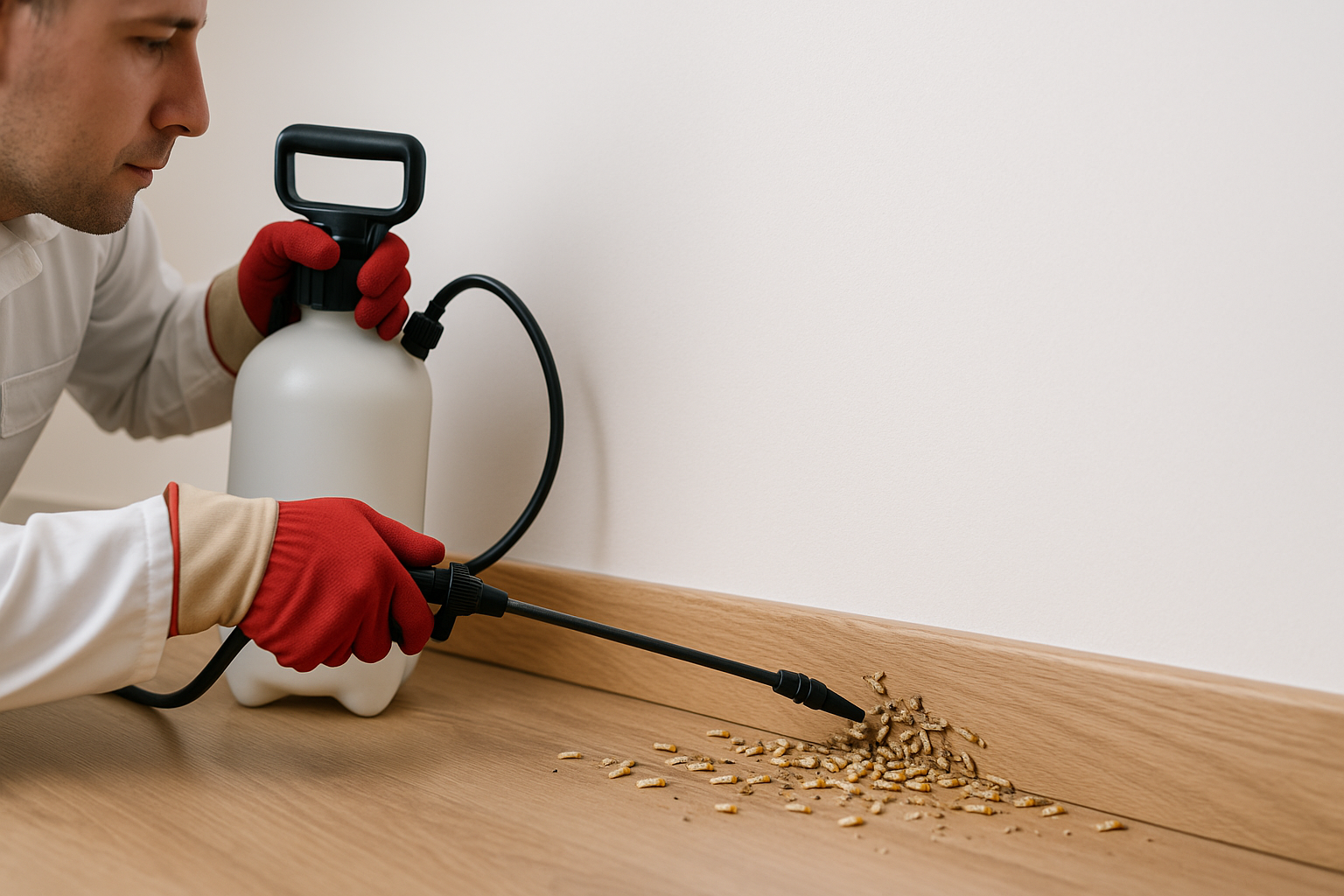
- Frass (Termite Droppings): Small piles resembling sawdust near wood structures are termite excrement — a telltale sign.
Spotting any of these signs around your Al Khawaneej 1 property suggests the need for immediate professional termite inspection.
Step-by-Step Termite Inspection Process
The termite inspection is a systematic check designed to identify all potential termite damage signs Al Khawaneej 1 homeowners face. Understanding the process helps prepare you and improves cooperation with inspection experts. This process focuses on uncovering subtle indicators that might otherwise go unnoticed, ensuring all potential termite damage signs Al Khawaneej 1 are thoroughly documented.
1. Exterior Property Examination
Professionals start by inspecting the building’s exterior and surrounding soil. They check for mud tubes, wood-to-soil contact points, and moisture accumulation, especially near foundations. Termite activity in cracks, expansion joints, and wooden fences is closely assessed.
2. Interior Structural Inspection
Inside the property, inspectors use specialized tools like moisture meters and infrared cameras to detect elevated moisture and hidden termite colonies in walls, flooring, and ceilings. Accessible wood components such as door frames, skirting boards, and cupboards are thoroughly examined.
3. Identification of Termite Damage Signs
At this stage, the focus turns to physical indicators such as hollow timber, frass, and damaged wood textures. Inspectors document the extent and severity of the damage to recommend appropriate treatment measures. This stage is crucial for pinpointing the exact termite damage signs Al Khawaneej 1 properties often exhibit.
4. Assessment for Secondary Issues
Termite infestations often lead to further structural and moisture problems. Inspectors check for wood rot, fungal decay, and entry points for other pests, linking all findings with termite damage.
5. Report and Recommendations
Finally, the inspector provides a detailed report highlighting termite damage signs Al Khawaneej 1, infestation levels, and actionable advice for treatment and prevention.
What to Expect During a Professional Inspection
For Dubai homeowners in Al Khawaneej 1, knowing what happens during a termite inspection helps ease concerns and facilitates cooperation with inspection teams. The inspection aims to uncover all potential termite damage signs Al Khawaneej 1 properties might hide.
Duration: Inspections vary in length based on property size, typically lasting from one to three hours. Experts work methodically but efficiently.
Tools & Technology: Inspectors often bring moisture meters, infrared thermography devices, and flashlight tools to detect hidden termite colonies.
Permissions: Access to crawl spaces, basements, or utility areas may be necessary. Residents should ensure these areas are accessible before the appointment.
Safety & Cleanliness: Reliable companies maintain hygiene standards and minimize disturbance during inspection and treatment.
Effective Prevention and Treatment Methods
After identifying termite damage signs Al Khawaneej 1, immediate action is critical. Treatment and prevention combine chemical, physical, and behavioral tactics:
- Soil Treatment: Specialized termiticides applied around building perimeters create a chemical barrier preventing termite entry.
- Wood Treatment: Wood preservatives and borate-based products strengthen timber against termite attacks.
- Regular Inspections: Scheduled professional inspections ensure early detection and sustained protection.
- Moisture Control: Reducing humidity and fixing leaks deprive termites of vital conditions needed for survival.
- Physical Barriers: Installation of metal or sand barriers in foundations to deter subterranean termite infiltration.
Choosing certified pest control services in Dubai specializing in termite management guarantees safe and effective solutions tailored to Al Khawaneej 1 homes. Regular vigilance for termite damage signs Al Khawaneej 1, combined with these methods, ensures comprehensive home protection.
Local Regulations and Guidance in Dubai
Dubai Municipality enforces strict guidelines for pest control to protect residents and buildings. Homeowners in Al Khawaneej 1 must adhere to these regulations when managing termite issues.
Further details and official advice on public health-related pest control, including specific guidance on termite damage signs Al Khawaneej 1 and prevention, can be found at the Dubai Municipality Public Health Pest Control Section. This resource helps ensure compliance with local laws and promotes best practices.
Using licensed providers like Saniex Dubai aligns with these regulatory standards and provides peace of mind.
Conclusion & Call to Action
Recognizing termite damage signs Al Khawaneej 1 early is crucial to protecting your Dubai home from extensive structural harm. Understanding the inspection process and knowing what to expect empowers homeowners with the knowledge to take swift, smart action.
Schedule a professional termite inspection with an experienced local specialist today to safeguard your property. For trusted inspection and treatment services that understand termite damage signs Al Khawaneej 1, consider Saniex Dubai, your expert partner in termite management.
Don’t let termites silently damage your home — act now to keep it safe and sound.
Recognizing Termite Damage Signs in Al Khawaneej 1: What Every Homeowner Should Know
Al Khawaneej 1, a thriving locality in Dubai known for its mix of villas and green spaces, faces some specific challenges when it comes to maintaining properties, including risks associated with termite infestations. Early detection of termite damage can save homeowners in Al Khawaneej 1 substantial headaches and repair costs. Understanding the common termite damage signs Al Khawaneej 1 residents should watch for helps protect both property value and structural integrity.
Termites in this area thrive due to the warm climate combined with moist soil conditions, which are typical in many parts of Dubai, including Al Khawaneej 1. These conditions encourage subterranean termite colonies to infiltrate homes, often unnoticed until damage becomes severe. Below, we explore the key termite damage signs you might encounter and why being vigilant is crucial. It is vital for homeowners in this area to be familiar with these specific termite damage signs Al Khawaneej 1 presents.
Visible Indicators of Termite Infestation
One of the most straightforward ways to spot termite activity is by identifying visible damage cues. Familiarity with these visible termite damage signs Al Khawaneej 1 is the first step towards protection.
- Wood That Sounds Hollow: Tap on wooden furniture, door frames, or floorboards. Hollow sounds often indicate a loss of internal wood density caused by termites eating through the timber from inside out.
- Damaged or Warped Surfaces: Termite activity can cause wooden structures to warp, buckle, or crack. Look closely at wooden doors, window frames, skirting boards, and external wooden features for irregularities.
- Mud Tubes Along Walls or Foundations: Subterranean termites build protective mud tubes to travel from their nests to food sources while avoiding open air. These tubes often appear as pencil-thick lines of dirt along exterior walls or within wall foundations.
- Discarded Wings Around Windowsills or Entry Points: Swarming termites shed their wings after finding a spot to start a new colony. Finding clusters of wings near window panes or door thresholds is a common sign of termite presence.
Structural and Functional Signs of Termite Damage
Beyond visible surface damage, termites compromise a property’s structure in ways that might not be immediately obvious but can prove costly over time. Identifying these less obvious termite damage signs Al Khawaneej 1 can prevent severe structural compromises.
- Sagging Ceilings or Floors: As termites weaken wooden joists or floor beams, parts of the ceiling or floor may begin sagging or show unevenness underfoot.
- Difficulty in Opening Doors or Windows: Because termite damage can cause frames to swell or misalign, doors and windows that suddenly become difficult to open or close may point to termite-related wood decay.
- Electrical Wiring Issues: Termites sometimes chew through wiring insulation, leading to short circuits or flickering lights — a less common but dangerous indicator of infestation.
Environmental and Lifestyle Factors Influencing Termite Risks in Al Khawaneej 1
Residence conditions in Al Khawaneej 1 can increase the likelihood of termite damage if not addressed proactively:
- Proximity to Gardens and Irrigation Systems: Many homes in Al Khawaneej 1 feature landscaped gardens with irrigation, which can increase moisture levels around homes, creating ideal termite habitats.
- Old or Untreated Wooden Structures: Older villas or homes that have not had termite-proofing applied historically are more vulnerable.
- Poor Drainage and Water Accumulation: Improperly draining rainwater or leaking pipes near the foundation encourage termite colony establishment.
Dubai’s hot climate with occasional humidity spikes, especially during summer months, exacerbates these issues, so year-round vigilance is essential.
How Dubai Municipality Supports Termite Control
In Dubai, the Dubai Municipality sets guidelines designed to minimize pest-related property damage. Their protocols emphasize regular inspection and swift treatment of common pests such as termites, especially in residential zones like Al Khawaneej 1. Following these guidelines—such as ensuring proper landscaping drainage and maintaining visible property inspections—can reduce termite infestation risk substantially. These measures are critical for mitigating risks and promptly addressing termite damage signs Al Khawaneej 1 might present.
Professional inspection services in Dubai often include:
- Moisture meter analysis to detect damp areas conducive to termite breeding.
- Thermal imaging to uncover termite tunnels behind walls without invasive procedures.
- Detailed reports aligned with Dubai Health Authority (DHA) safety standards, ensuring homeowners receive reliable and safe treatment recommendations.
Preventive Measures Against Termite Damage in Al Khawaneej 1
Being aware of termite damage signs Al Khawaneej 1 is only part of the equation; proactive prevention and maintenance steps are critical to long-term protection.
- Regular Inspections: Conduct regular termite inspections at least once or twice a year by certified pest control professionals familiar with Dubai’s climatic conditions and termite species.
- Improve Drainage and Eliminate Water Accumulation: Ensure garden irrigation, gutters, and downspouts do not allow water pooling against building foundations.
- Use Treated Wood and Termite Barriers: When constructing or renovating, use termite-resistant materials and incorporate physical or chemical termite barriers per Dubai Municipality standards.
- Maintain Exterior Spaces: Remove wood debris, tree stumps, and dead plants close to building foundations to reduce termite attractants.
- Weatherproof and Seal Home Openings: Seal cracks in foundations, walls, and around utility lines to prevent termite entry points.
Adopting these measures can dramatically lower the chances of serious damages caused by termite infestations.
What to Do If You Spot Termite Damage Signs Al Khawaneej 1
If you suspect termite activity or notice any of the aforementioned damage signs, immediate action is crucial to prevent further deterioration:
- Schedule a Professional Inspection: Engage a licensed pest control company in Dubai specializing in termite identification and treatment.
- Avoid Disturbing Affected Wood: Disturbing termite shelter tubes or damaged wood can cause the colony to scatter and complicate treatment.
- Follow Treatment Recommendations: Whether it’s soil treatment, localized baits, or fumigation, ensure treatments are conducted according to Dubai Municipality veterinary and environmental safety regulations.
- Monitor Structural Integrity: After professional intervention, continue monitoring the property for any recurring signs to catch re-infestation early.
Conclusion
Termite damage signs Al Khawaneej 1 require close attention due to the unique environmental conditions and housing styles typical to this Dubai locality. Early detection combined with regular professional inspections and proper maintenance can save homeowners from extensive and costly repairs stemming from termite destruction.
Awareness, preventative care, and adherence to Dubai Municipality pest control regulations form the pillars of effectively protecting your home from these hidden invaders.