


Table of Contents
Understanding Termite Risks Oud Al Muteena 1 Properties
Termite risks oud al muteena 1 properties represent a significant challenge for homeowners and property managers in Dubai. As an area known for its mix of residential and commercial buildings, Oud Al Muteena 1’s climatic conditions create an environment conducive to termite activity. Recognizing these risks early can save property owners from significant structural damage and expensive repairs. Addressing these termite risks oud al muteena 1 properties face is paramount for long-term property value.
The term “termite risks oud al muteena 1 properties” refers to the potential threat posed by subterranean and drywood termites that are commonly found in Dubai’s urban landscapes. These pests thrive in warm, humid climates, such as those experienced in this neighborhood, increasing the likelihood of infestations if not properly managed. Proactive strategies against termite risks oud al muteena 1 properties are essential.
It is essential to realize that termites silently consume the wooden structures that support homes and buildings. Without proactive detection efforts, they can weaken critical infrastructure components, reducing property safety and value. This article focuses on the service and practical steps to evaluate termite presence, enabling property stakeholders to act decisively. Effectively managing termite risks oud al muteena 1 properties requires both vigilance and expert intervention.
Signs of Termite Infestation in Oud Al Muteena 1 Properties
Spotting termite activity early in oud al muteena 1 properties requires awareness of common signs that indicate their presence. Property owners and inspectors must be vigilant for telltale markers that often precede visible structural damage.
Key signs include:
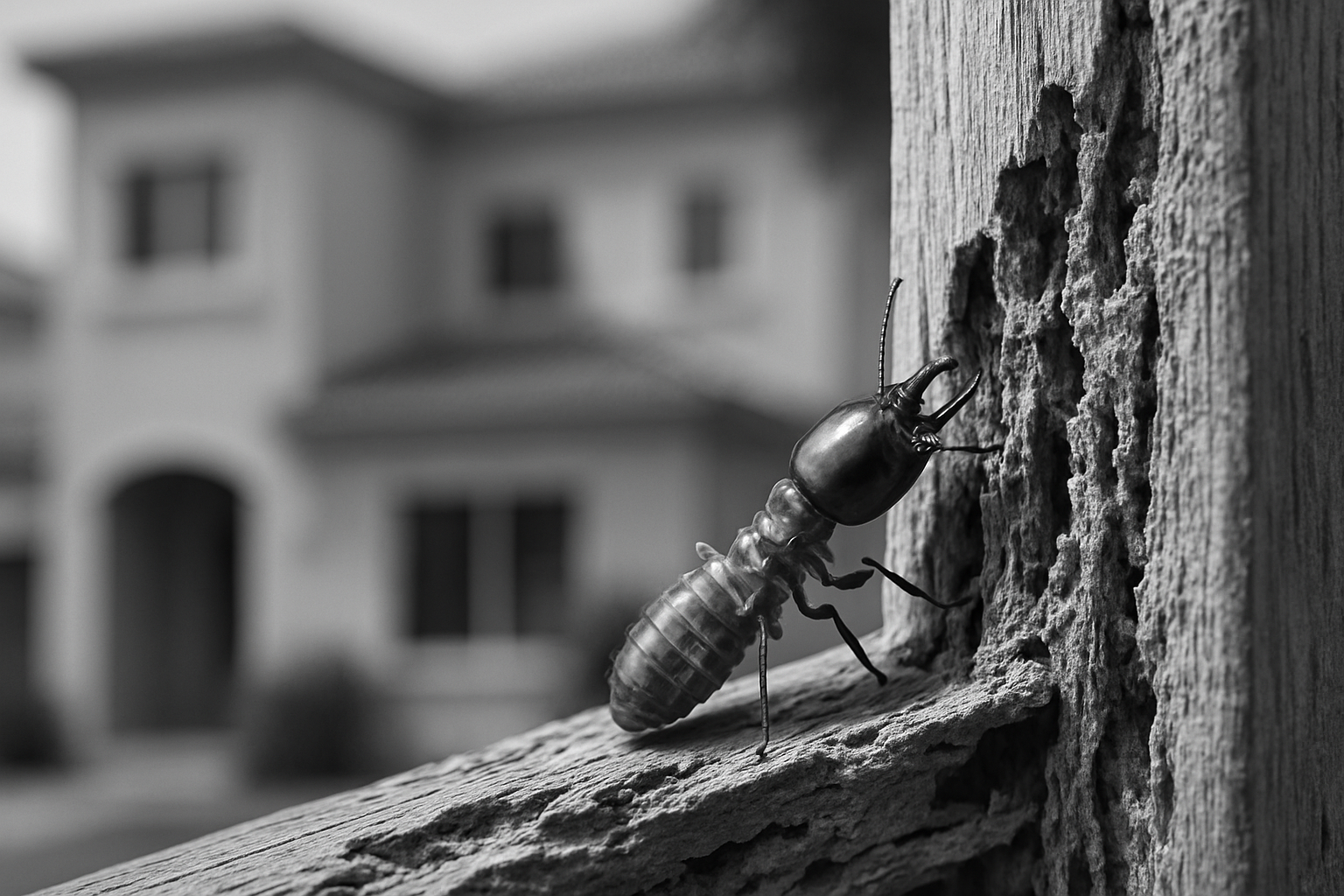
- Wood Damage: Hollow-sounding wood or visible tunnels under wooden floors, beams, or furniture.
- Discarded Wings: Presence of small wings near window sills and doors indicates swarmers leaving the colony.
- Mud Tubes: Mud tunnels on walls or foundations protect subterranean termites while they travel between their colony and food sources.
- Blistering or Bubbling Paint: Paint that appears uneven, blistered, or peeling might conceal termite damage underneath.
- Cracked or Warped Walls: Signs that termites have damaged wood behind drywall or paneling.
Identifying these signs early in oud al muteena 1 properties helps prevent extensive damage and promotes timely intervention. Regular checks, especially in damp or wooden areas, reduce unexpected outbreaks and preserve property integrity. Early detection of termite risks oud al muteena 1 properties can significantly mitigate the overall impact.
Step-by-Step Evaluation of Termite Presence in Oud Al Muteena 1 Properties
Evaluating termite risks oud al muteena 1 properties effectively requires a systematic approach combining visual inspections, understanding termite biology, and applying industry-standard tools.
1. Initial Visual Assessment
Inspect exterior and interior wooden structures, focusing on the foundation, walls, and roof. During this phase, look for the signs of infestation highlighted earlier, paying close attention to moist areas where termites thrive.
2. Use of Detection Tools
Professionals often employ specialized tools such as moisture meters, infrared cameras, and acoustic emission devices to detect hidden termite activity beyond the visible signs.
3. Detailed Structural Examination
Examine the quality of wood beams, floorboards, and other structural components. Using a screwdriver or similar tool, gently probe suspected wood for soft spots or damage that indicates termite tunneling.
4. Assess Surrounding Environment
Check landscaping and drainage around the property. Accumulated moisture and wood-to-soil contact increase termite risks oud al muteena 1 properties face. Ensure gutters, irrigation, and landscaping maintain proper drainage and avoid providing termites easy access. Understanding these environmental factors is crucial for assessing potential termite risks oud al muteena 1 properties might encounter.
5. Professional Reporting and Recommendations
Following inspection, a detailed report informs property owners of findings and recommends targeted treatment if termites are detected. This report also provides preventive advice to mitigate future infestation risks.
Preventive Measures Against Termite Risks in Oud Al Muteena 1 Properties
Preventing termite risks oud al muteena 1 properties face involves a mix of environmental management, construction best practices, and routine maintenance.
Key preventive strategies include:
- Eliminate Wood-to-Soil Contact: Avoid direct contact between wooden parts of buildings and soil to reduce termite access.
- Manage Moisture Levels: Regularly fix leaks, improve site drainage, and reduce humidity inside and around the property.
- Use Termite-Resistant Materials: During renovations or new construction, incorporate treated wood or non-wood alternatives where feasible.
- Regular Inspections: Conduct annual termite inspections with certified technicians to detect and address infestations early.
- Keep Landscaping Manageable: Maintain a clear perimeter around buildings, trimming trees and shrubs to prevent termite entry routes.
Adopting these actions can significantly lower termite risks oud al muteena 1 properties encounter, preserving structural integrity and investment over time. Regular proactive steps are key to minimizing termite risks oud al muteena 1 properties are exposed to.
Professional Termite Control Services in Dubai
While awareness and prevention help, professional evaluation and treatment remain vital for managing termite risks oud al muteena 1 properties. Dubai property owners benefit from specialized pest control services tailored to local regulations and environmental conditions. Expert solutions are designed to specifically address termite risks oud al muteena 1 properties face. For more information on safeguarding your property, refer to our comprehensive guide on property maintenance and termite prevention in Dubai.
For those seeking targeted services in Dubai, Saniex provides expert termite inspections and remediation within Dubai only. Their skilled teams utilize up-to-date technologies to detect infestations early and apply environmentally responsible solutions. Saniex’s Dubai-focused approach aligns with local regulatory standards, offering reliable and actionable management for the termite risks oud al muteena 1 properties face.
Clients report that timely professional interventions greatly reduce damage potential and give peace of mind regarding property condition and safety.
Conclusion
Termite risks oud al muteena 1 properties must be taken seriously by residents and property managers. Following the actionable five-step evaluation process and embracing preventive measures can effectively safeguard properties against costly termite damage. Leveraging Dubai’s professional termite control services enhances protection and ensures compliance with local standards. Ongoing vigilance against termite risks oud al muteena 1 properties is critical for long-term property protection.
Take action today by scheduling a thorough termite inspection. Early detection and treatment stand as the smartest defenses for your Oud Al Muteena 1 property’s longevity and value. This proactive approach minimizes the significant termite risks oud al muteena 1 properties might otherwise incur.
Understanding Termite Risks in Oud Al Muteena 1 Properties
Oud Al Muteena 1, a well-established residential community in Dubai, offers a blend of traditional charm and urban accessibility. However, like many areas with older buildings and substantial vegetation, properties here are potentially exposed to termite infestations. Recognizing the termite risks oud al muteena 1 properties face is essential for homeowners and investors who want to maintain the structural integrity and value of their homes.
Termites, often called “silent destroyers,” can cause significant damage to the wooden components of structures if left unchecked. In Dubai’s climate, particularly in areas like Oud Al Muteena 1, the combination of humidity, landscaping, and older construction materials can create a favorable environment for termite activity. While Dubai’s arid desert climate might seem inhospitable for termites, the presence of irrigation systems, lush gardens, and moisture-retaining soil in residential compounds provides enough moisture to support their survival.
Common Factors Contributing to Termite Infestations
- Landscaping and Irrigation: Many homes in Oud Al Muteena 1 feature extensive green spaces that require regular watering. Constant irrigation increases soil moisture, which is a prime condition for subterranean termites.
- Building Materials and Age: Older properties, especially those constructed primarily with untreated wood or where construction standards were less stringent, are more vulnerable to termite damage. Wood-to-soil contact, which sometimes occurs in garden fences, decks, or wooden foundations common in this area, also facilitates termite entry.
- Climate and Weather Patterns: While Dubai is largely arid, seasonal humidity spikes and microclimates created by dense canopy areas or water features may promote termite survival.
- Maintenance and Inspections: Negative maintenance habits, such as unchecked leaks, poor drainage, or neglecting routine pest inspections, significantly increase termite risk.
The Impact of Termite Damage on Oud Al Muteena 1 Properties
Termite damage extends beyond mere inconvenience—it can compromise the safety and financial value of properties. For residents in Oud Al Muteena 1, the implications include:
- Structural Integrity Compromise: Termites primarily consume cellulose materials—wood being the most common. This includes structural frames, hardwood floors, doors, and wooden fixtures. Once their infestation advances, these elements weaken, increasing the risk of collapse or costly repairs.
- Aesthetic Degradation: Visible signs of termite activity, like hollow-sounding wood, mud tubes on walls, and damaged paint, affect a property’s curb appeal, which is crucial in a community with a competitive real estate market.
- Financial Consequences: Although UAE regulations do not mandate termite inspections before property sales, significant demolition or repair work caused by termite damage can lead to considerable unforeseen expenses for homeowners.
Understanding termite risks oud al muteena 1 properties face helps stakeholders to proactively implement preventative and remedial actions, safeguarding investments and living standards.
Strategies to Mitigate Termite Risks in Oud Al Muteena 1
Managing termite risks requires an integrated approach that includes both preventative measures and professional intervention. For residents of Oud Al Muteena 1, the following guidelines align with best practices recommended by Dubai Municipality and the Dubai Health Authority for pest control and property maintenance.
1. Routine Property Inspections and Early Detection
Regular termite inspections conducted by licensed pest control professionals in Dubai are the first line of defence. Since termites operate largely unnoticed, these experts identify early signs, such as mud tubes, damaged wood, and termite droppings (also known as frass), which homeowners might miss. Scheduling inspections seasonally, particularly before and after Dubai’s humid months, helps detect infestations at manageable stages.
2. Moisture Management and Landscaping Adjustments
Reducing moisture around the home is critical since subterranean termites thrive in damp environments. Oud Al Muteena 1 homeowners can follow these moisture management strategies:
- Ensure proper drainage away from building foundations to prevent water pooling.
- Repair plumbing leaks promptly and avoid water accumulation under patios or wooden decks.
- Minimize or relocate dense shrubbery and garden beds that are in close contact with building walls.
- Use drip irrigation systems instead of sprinkler systems that over-saturate soil close to structures.
3. Material Considerations and Building Practices
When renovating or constructing in Oud Al Muteena 1, residents should consider termite-resistant or treated wood products, which are widely available within the Dubai building supply market. The Dubai Municipality mandates compliance with standards that encourage the use of such materials in residential developments to enhance durability and pest resistance. Additionally:
- Maintain a physical barrier between soil and wooden parts of the building, such as concrete foundations extending above ground level.
- Avoid wood-to-soil contact in fences, gates, and decking.
- Consider non-cellulose materials like metal, PVC, or composite lumber for external features to minimize termite access.
4. Professional Treatment Options and Compliance
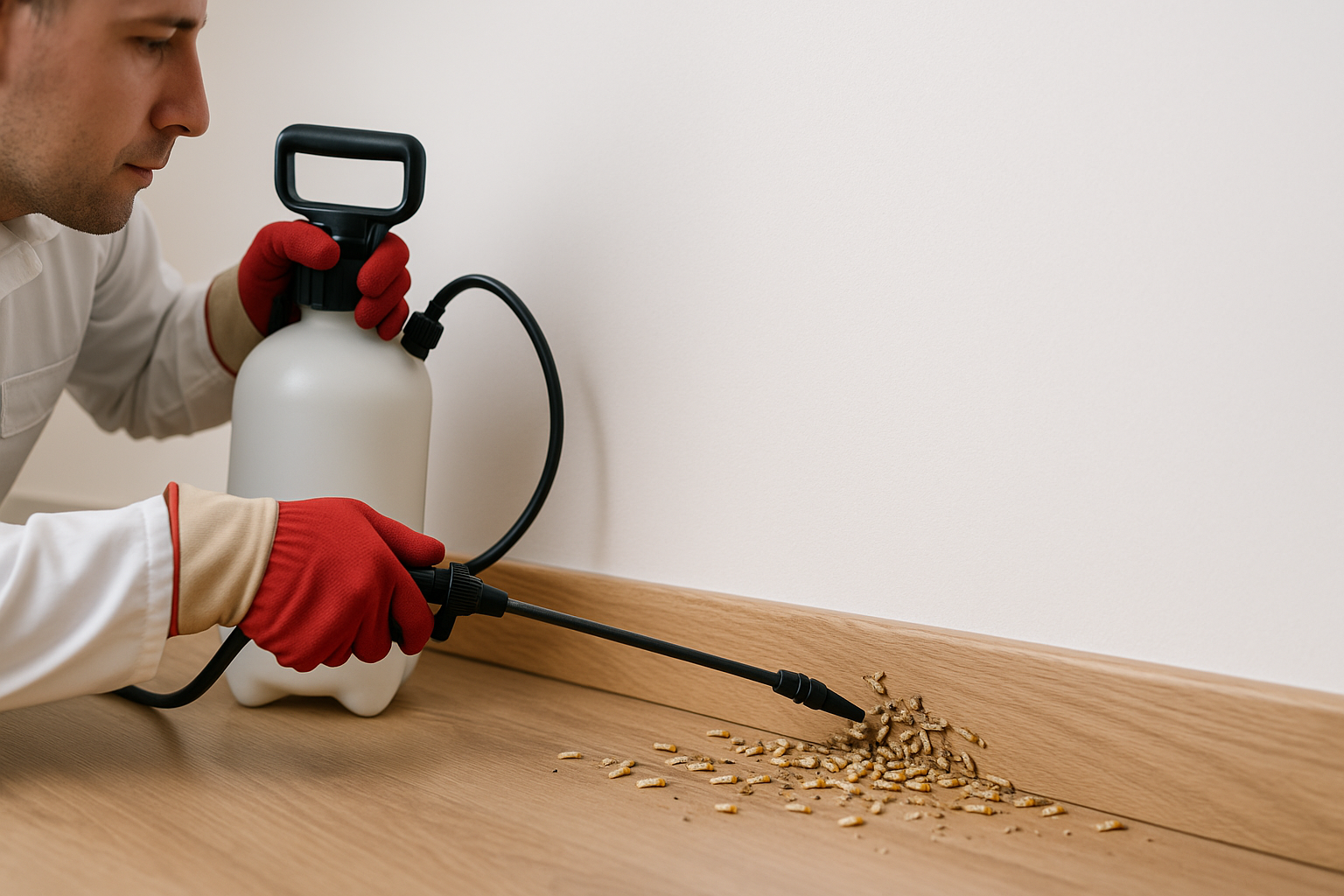
If an infestation is detected, timely treatment is essential. Licensed pest control companies in Dubai employ several termite control methods, including:
- Liquid Termiticides: Applied in soil barriers around foundations to create a chemical shield.
- Baiting Systems: Strategically placed bait stations attract termites, which then carry toxic substances back to their colonies.
- Fumigation: Rarely used but effective for severe infestations, particularly in enclosed spaces.
Dubai Municipality requires pest control treatments to adhere to environmental safety standards and proper chemical handling procedures to ensure community safety. Working only with certified providers guarantees compliance with these standards.
Community and Regulatory Support in Dubai
The Dubai government continually emphasizes pest management as part of its broader public health and safety agenda. While termite control is primarily the responsibility of homeowners, the Dubai Municipality plays a role in regulating service providers and educating the public. Additionally, community management teams in residential clusters like Oud Al Muteena 1 often facilitate information sessions and coordinate pest control efforts to minimize widespread infestation risks.
Moreover, the Dubai Health Authority (DHA) monitors environmental health standards that include pest management guidelines, ensuring that treatment methods do not negatively impact resident well-being. Such oversight assures homeowners that regulated approaches to managing termite risks oud al muteena 1 properties encounter are both effective and safe.
Conclusion: Proactive Management Is Key
While termite risks oud al muteena 1 properties face are real, they are manageable with awareness, routine maintenance, and professional support. By understanding how local climate conditions, construction materials, and landscaping can affect termite activity, property owners are better equipped to protect their homes from this common but often overlooked pest issue.
For residents of Oud Al Muteena 1, vigilant inspection practices, moisture control, use of termite-resistant materials, and timely professional treatments form the pillars of effective termite management. Aligning these efforts with Dubai Municipality regulations and relying on licensed pest control services will help maintain the safety, beauty, and value of homes in this vibrant Dubai community.